I live in Salt Lake City, Utah, where the mountains are rugged, the air is dry, and we get an average of just 10 inches of rain a year. So, when I traveled to Central America, it felt like stepping onto a completely different planet.
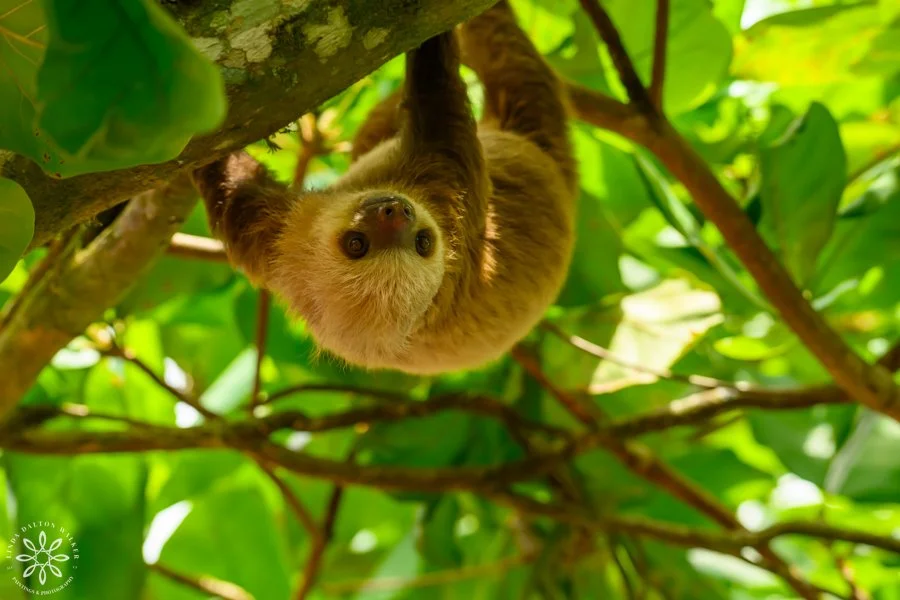
Young Sloth Hanging in a Tree. (See mom and baby here)
Whenever I travel internationally, I am deeply reminded of how small we are in the grand scheme of things, which only intensifies my appreciation for our global ecosystems and the spaces we call home. I want to share the realities of that journey with you.
Inside this post, I want to share with you:
Why I Chose Costa Rica for Wildlife Photography
Adjusting to the Tropical Rainforest Environment
When Wildlife Photography Gets Personal
Costa Rica Photography Locations That Shaped the Journey
Unforgettable Rainforest Images and Animal Encounters
Frequently Asked Questions (FAQs)
Choosing Costa Rica Fine Art Prints for Your Home Decor
Let’s dive into the adventure.
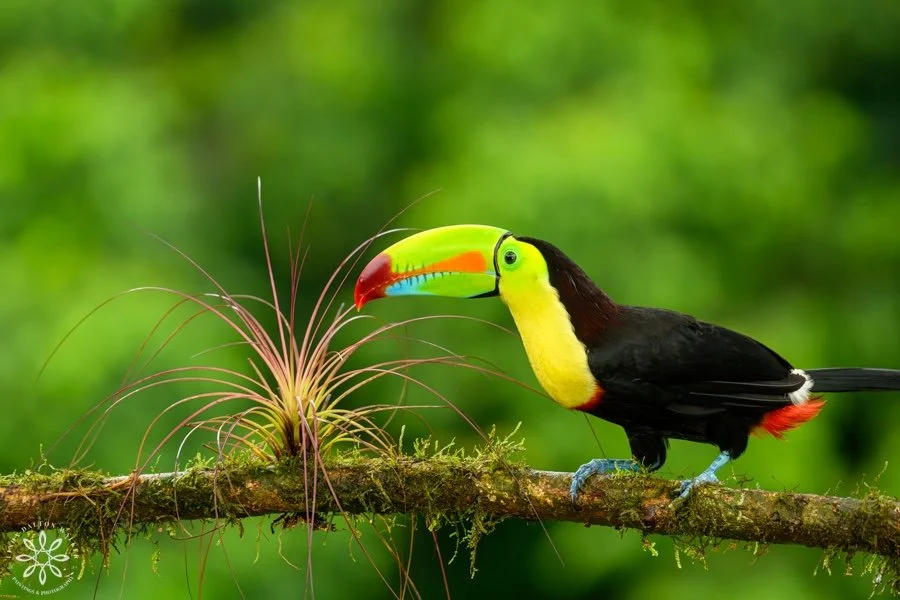
Keel-Billed Toucan - What a gift to be able to photograph such a fun, cheerful bird.
Check this Link for adorable close-up portrait of the Toucan.
Why I Chose Costa Rica for Wildlife Photography
I traveled to Costa Rica to enrich my conservation portfolio with a very specific vision in mind. There is something about tropical wildlife that feels almost otherworldly. The exploding colors, the sudden movements, and the symphonies of sound stretch you creatively and personally.
On this journey, my lens was especially drawn to:
Sloths hanging high in the jungle canopy.
Toucans displaying their bright, oversized bills.
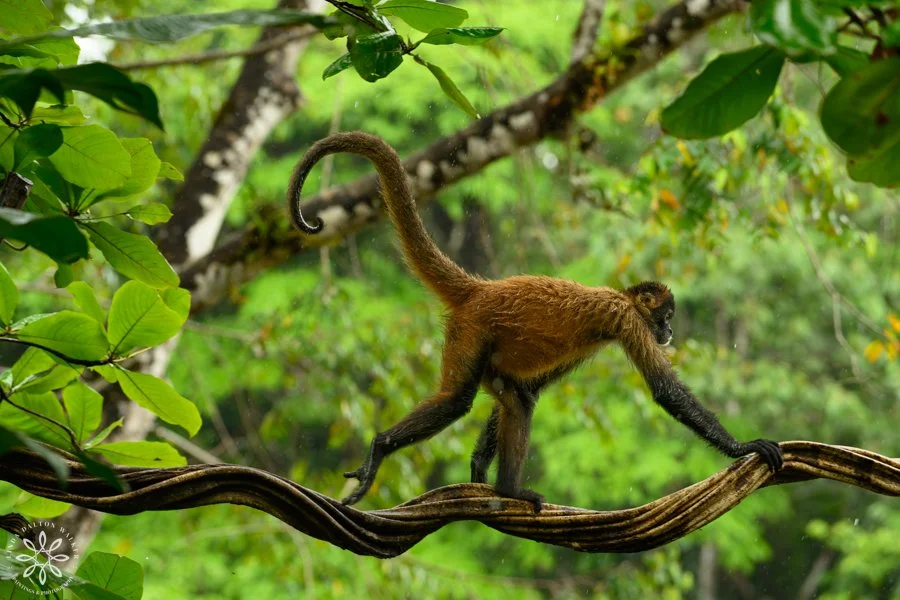
Monkeys racing effortlessly through the trees.
The legendary Resplendent Quetzal with its brilliant three-foot tail feathers.

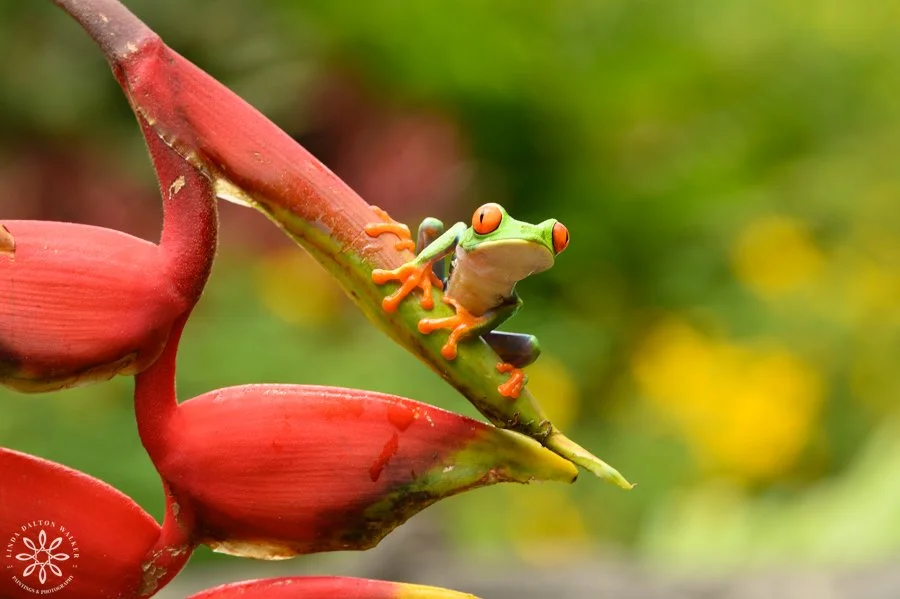
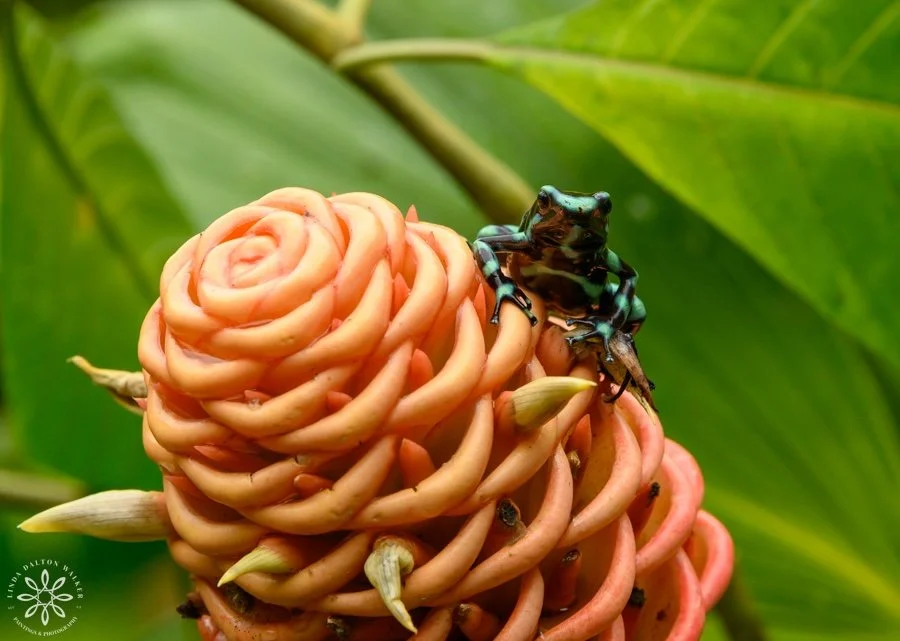
Splendid Leaf Frog - those eyes and those colors. Wow! Check out this other frog, on my Website.
Adjusting to the Tropical Rainforest Environment
Stepping out of the arid Utah climate meant navigating several moments where I had to quickly recalibrate my comfort zone and sense of security.
The adjustment began right after landing, driving from the airport to the hotel with a total stranger. Language was a barrier, and the surrounding neighborhoods looked incredibly rough.
Once in the jungle, I encountered insects much larger than anything I see in Salt Lake City—giant cockroaches and massive spiders served as sharp, daily reminders that I was deep within a wild, tropical forest.
But the biggest adjustment by far was the water. I traded my home state's 10 inches of annual precipitation for regions that experience up to 19 feet of rainfall a year. To make matters more interesting, this was technically not the rainy season.
During the heaviest downpours, I learned to seek shelter and embrace the pause. I would wait for the rain to lift, listening to the rhythmic pounding on the canopy, relaxing to the calls of birds near and far, and feeling entirely transported by the deep vocalizations of Howler Monkeys echoing from five miles away.
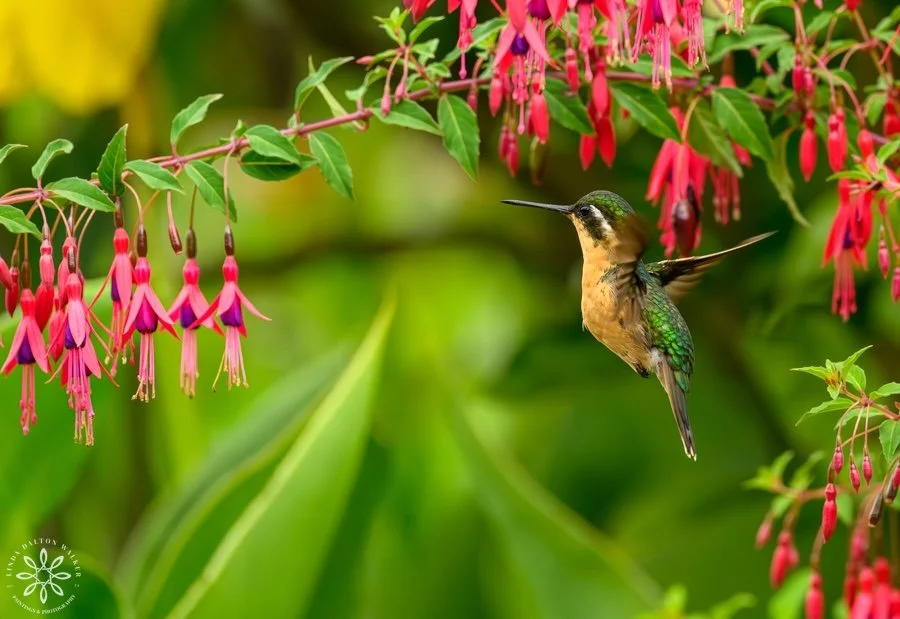
Purple-throated Mountain-gem female hummingbird
When Wildlife Photography Gets Personal
Nature has a way of interacting with you when you least expect it. One afternoon, while I was out in the field photographing hummingbirds, I received a text from one of our guides informing me that my room had been successfully invaded by a troop of White-nosed Coatis, and emergency housekeeping had been called.
I dashed back to find a scene of absolute chaos. The coatis had ripped open my suitcase, scattering clothes everywhere in their frantic search for food. Being a strict vegan, I always pack an emergency supply of high-protein bars to ensure I stay properly fueled on demanding field assignments. The coatis had discovered my stash, tearing open the sealed bags and leaving wrappers and crumbs across the entire room and bed.
Thankfully, a friend on the trip saved the day by sharing her supply of nuts. It was a mess, but I can laugh about it now—it certainly makes for an unforgettable storytelling moment.
Unfortunately, the challenges didn’t stop there. Later in the trip, I caught a severe flu and spent a few days confined to my bed, tossing with a 102-degree fever while listening to the relentless rain outside. Being sick in a foreign country can feel incredibly isolating and unnerving, but it gave me a profound respect for the raw power of this environment.
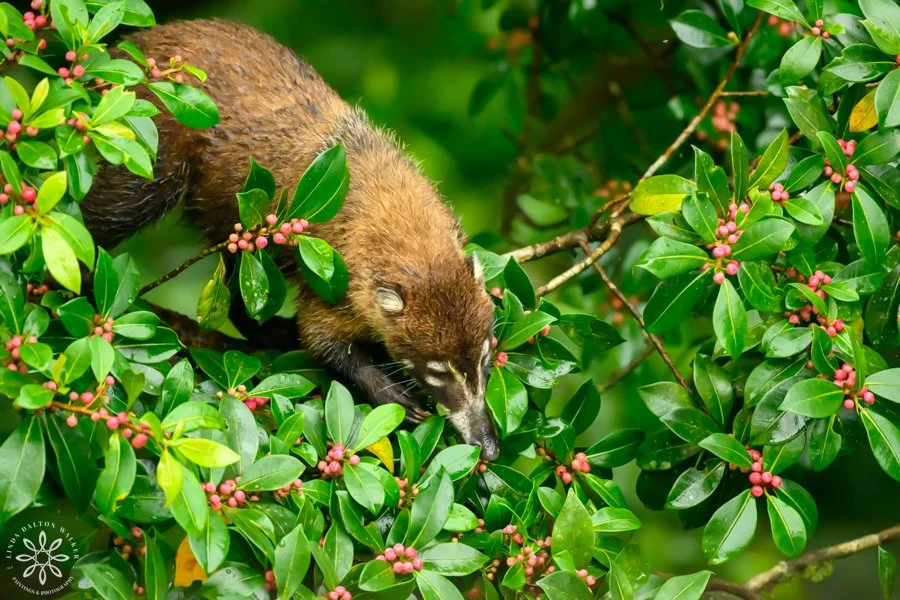
White-nosed Coati. A small mammal related to the Raccoon family. Seven of them broke into my room and created a complete disaster.
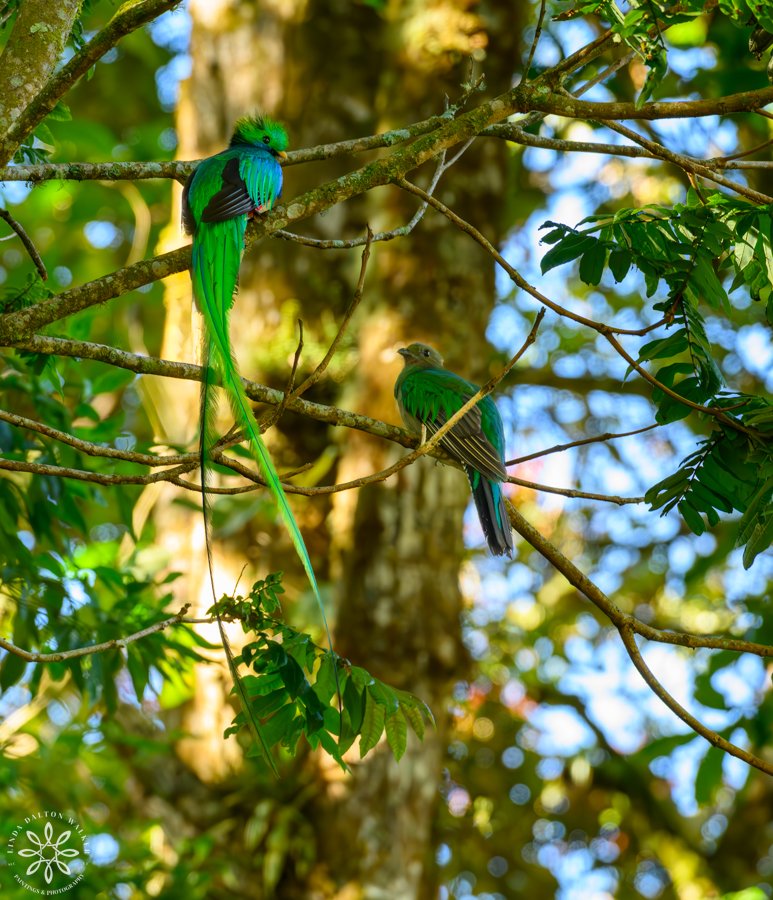
Resplendent Quetzal Pair.
Unforgettable Rainforest Images and Animal Encounters
Narrowing down my favorite frames from such a biodiverse landscape is a beautiful challenge. One of the most heartwarming highlights was documenting a mother and baby sloth moving in their signature slow motion, high up in a tree directly above a bustling local fruit stand.
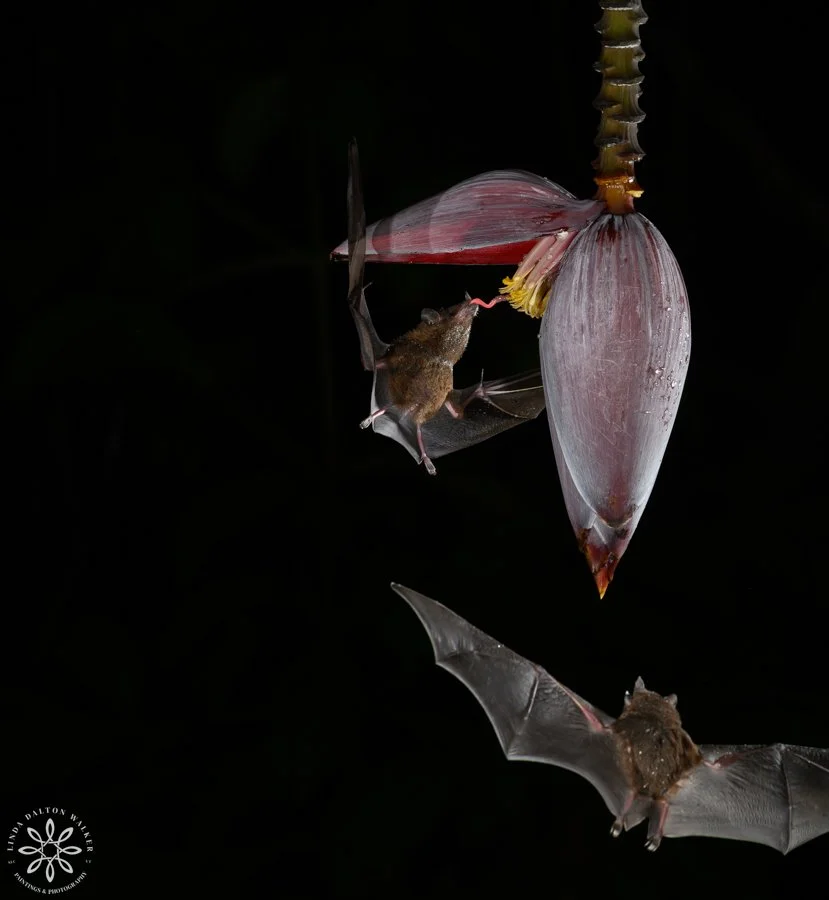
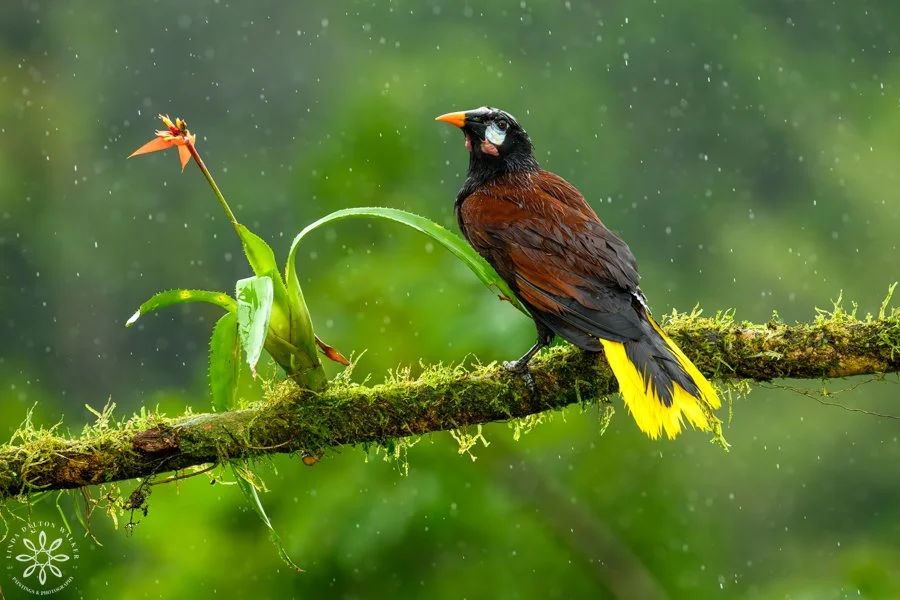
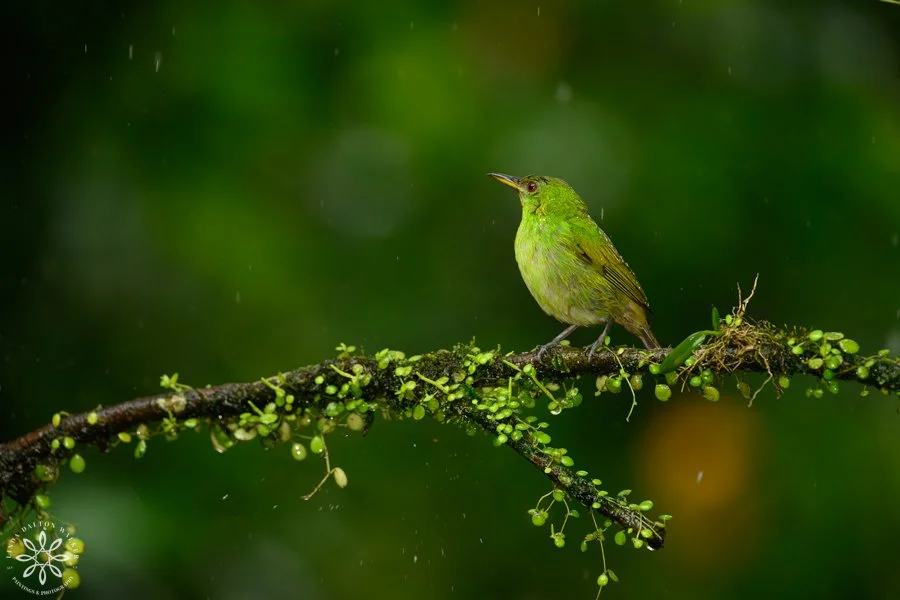
I was also captivated by the Montezuma Oropendola. I managed to capture some beautiful, rain-soaked images of this vocal bird. Even now, looking at those photographs instantly brings back the unique, liquid-like calls that define the soundscape of the rainforest. Beyond these moments, my lens found the vibrant bills of the Keel-billed Toucan and Collared Aracari, small bats during a nighttime shoot, and a playful Spider Monkey racing through the canopy.
But the absolute pinnacle of the journey was photographing the legendary Resplendent Quetzal. I discovered a breeding pair actively building a nest deep within a dark pocket of the forest. Because they were tucked away in such a shadowy area, it tested every ounce of my technical skill, and I pushed my camera to its limits to capture their stunning iridescent feathers.
Even through the torrential rain and physical sickness, the images I walked away with made every single hardship entirely worth it.
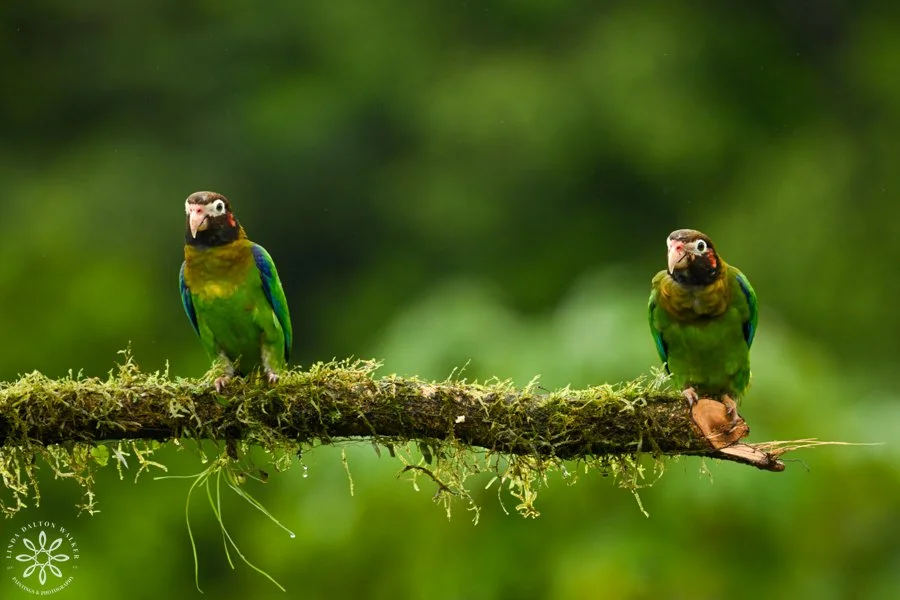
Brown Hooded Parrot - I think they loved getting their photo taken.
Costa Rica Photography Locations That Shaped the Journey
To capture the true biodiversity of the country, my route took me through several distinct, stunning habitats:
Hotel Bougainvillea (San José): A beautiful starting point nestled amidst lush, curated tropical gardens.
Savegre Mountain Lodge: Tucked deep into the Savegre River Valley within the breathtaking Talamanca Mountains.
Laguna del Lagarto Lodge: Located in the northern lowlands, offering dense rainforest canopies and raw wildlife encounters.
Arenal Observatory Lodge: Set directly within the shadows and rich volcanic soil of Arenal Volcano National Park.
Each of these environments offered its own unique ecological narrative, from mist-shrouded cloud forests to vibrant lowland jungles.
Frequently Asked Questions (FAQs)
Q1: What are the biggest challenges of photographing wildlife in a tropical rainforest?
The two biggest obstacles are moisture and lighting. In areas that receive up to 19 feet of rain a year, keeping your camera gear dry is a constant battle. Additionally, the dense forest canopy blocks out a massive amount of sunlight, requiring advanced camera adjustments and immense patience to capture sharp wildlife images in deep shadows.
Q2: How do you handle ethical photography boundaries when traveling internationally?
I adhere to a strict personal code of conduct, relying on long telephoto lenses to capture natural behavior from a respectful distance without causing stress or disrupting nesting habits. However, international travel exposes the complex realities of the commercial tour industry. Many eco-lodges utilize fruit-feeding stations to satisfy tourists, and some operators—including U.S. tour leaders—endorse baiting wildlife, such as placing carcasses to attract vultures, under the premise that it supports the local economy.
Because local handlers are often just delivering what they believe Western clients expect, these situations create immense ethical tension. When confronted with these practices, I choose to step away, intentionally wandering off to locate and photograph animals that are entirely wild and unenticed by food. Balancing personal conservation ethics with the commercial pressures of global tourism is a profound challenge, and it is a nuanced topic I plan to explore deeply in an upcoming, dedicated blog post.
Q3: Does your vegan lifestyle impact how you travel for photography?
It definitely requires extra preparation! Because tracking wildlife takes me deep into remote regions where plant-based meal options can be limited, I always pack an emergency supply of high-protein bars. While local wildlife like the White-nosed Coati might occasionally try to steal my stash, the preparation allows me to keep my daily lifestyle choices fully aligned with the animals I protect.
Q4: What gear do you recommend for a rainforest photography trip?
A weather-sealed camera body and a fast telephoto lens (I use the Nikon Z8 and a Nikkor 200mm - 500mm lens) are absolute essentials. You will also want heavy-duty rain covers for your gear, a sturdy tripod or monopod for shooting in low jungle light, and plenty of silica gel packs in your camera bag to absorb the intense tropical humidity.
Q5: Can I purchase a fine art print from your Costa Rica trip?
Yes! High-quality, archival fine art prints featuring these stunning toucans, monkeys, bats, and Resplendent Quetzals are available directly through my website. You can explore the curated collections under the Birds of a Feather and Wildlife galleries. If you are looking for a custom size or material not listed on the store page, please contact me directly through my contact form to discuss your space.
Choosing Costa Rica Fine Art Prints for Your Home Decor
If you have ever traveled to Costa Rica, you know it is a place that embeds itself deeply into your soul.
Maybe you find yourself constantly missing the saturated, vivid greens of the jungle. Maybe you miss the thrill of spotting hidden wildlife, or simply the feeling of being entirely surrounded by a world that is untamed, raw, and alive. Bringing these conservation-focused images into your living space allows you to step back into that wild environment every single day.
When choosing the right print for your home, consider the mood of your room:
For a vibrant, high-energy space: A bold print of a brilliant Keel-billed Toucan or a poison dart frog can add an incredible pop of life and act as an immediate conversation starter.
For a calm, serene sanctuary: A soft image of a resting sloth brings a peaceful, grounding energy into bedrooms or offices.
For a dramatic focal point: The striking, long tail feathers of the Resplendent Quetzal framed on a main living room wall creates an elegant, artistic anchor.
If you aren't sure which image or size will best complement your walls, I would be absolutely thrilled to help you design your space. Costa Rica has a beautiful way of staying with you long after you leave—and hanging a piece of its story on your wall is the ultimate way to honor that memory. Contact me HERE.