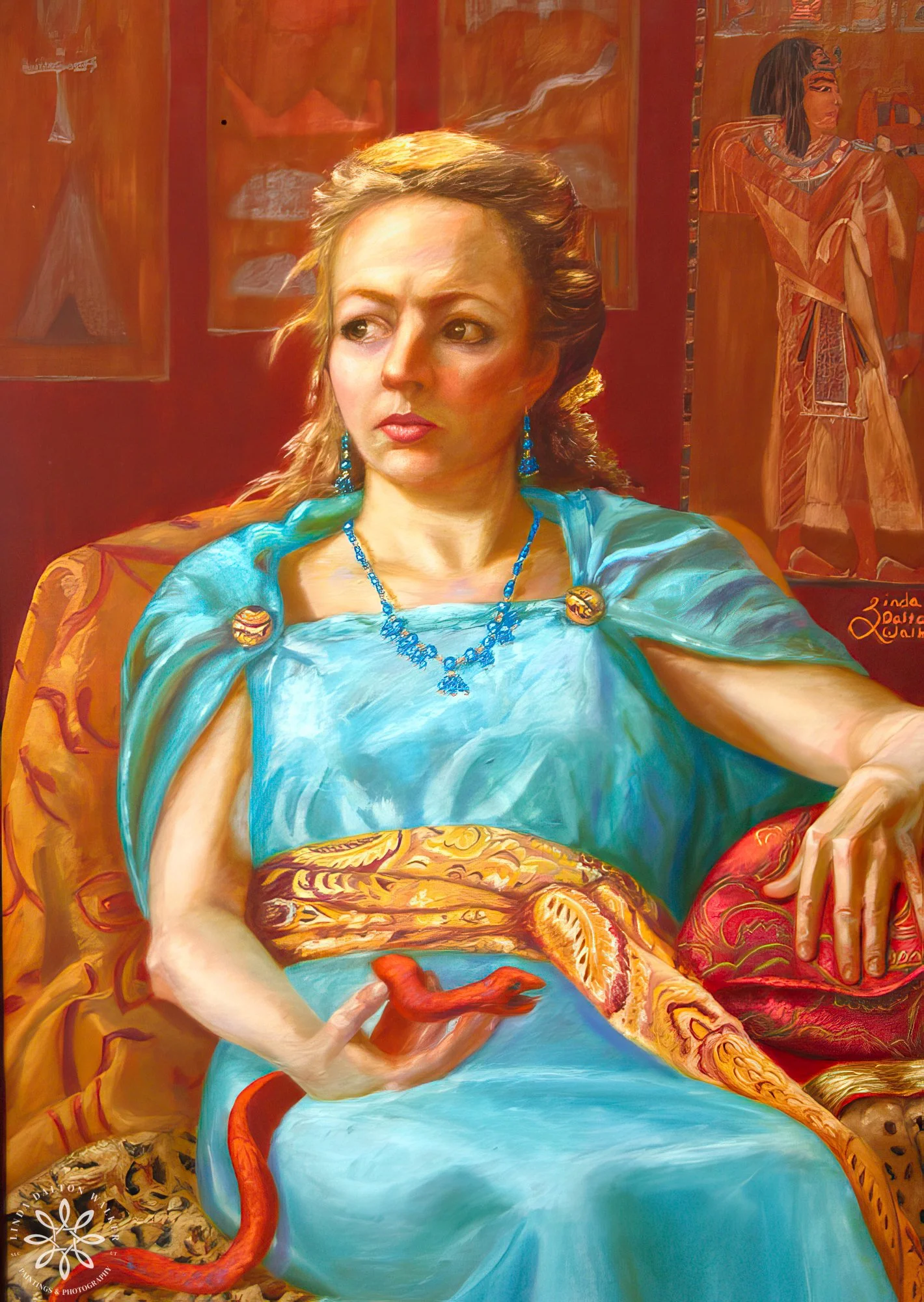
Symbols of Egypt. Oil Painting on Linen.
People often ask me, "Wait, you're both a photographer and a painter?"
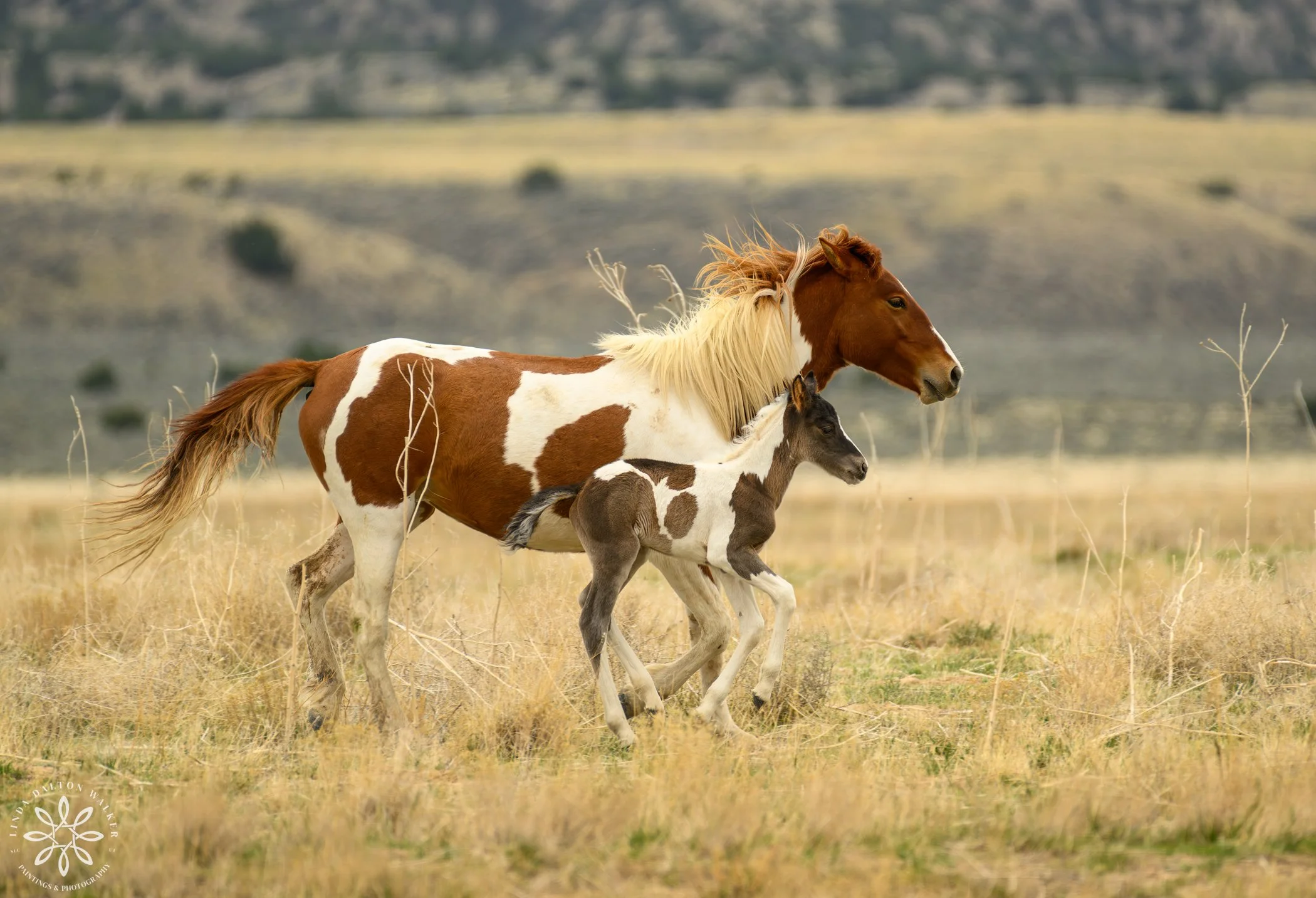
The short answer is yes! Art has been central to my life for as long as I can remember. While my camera is a constant companion all year long, whether it’s traveling to milder coastal climates or braving snowy Utah days to capture winter wildlife, the colder months naturally bring a shift in my creative balance. When blustery winter weather keeps me indoors, I transition into my Salt Lake City studio, trading the field for my easel, oil paints, and live model setups.
In this post, I want to share a look into my dual creative life:
How photography first trained my eye
How ten years of classical atelier training shaped my oil painting since 1990
The recurring themes: from Divine Feminine symbolism to wild birds
How collectors blend both mediums in their home and office spaces
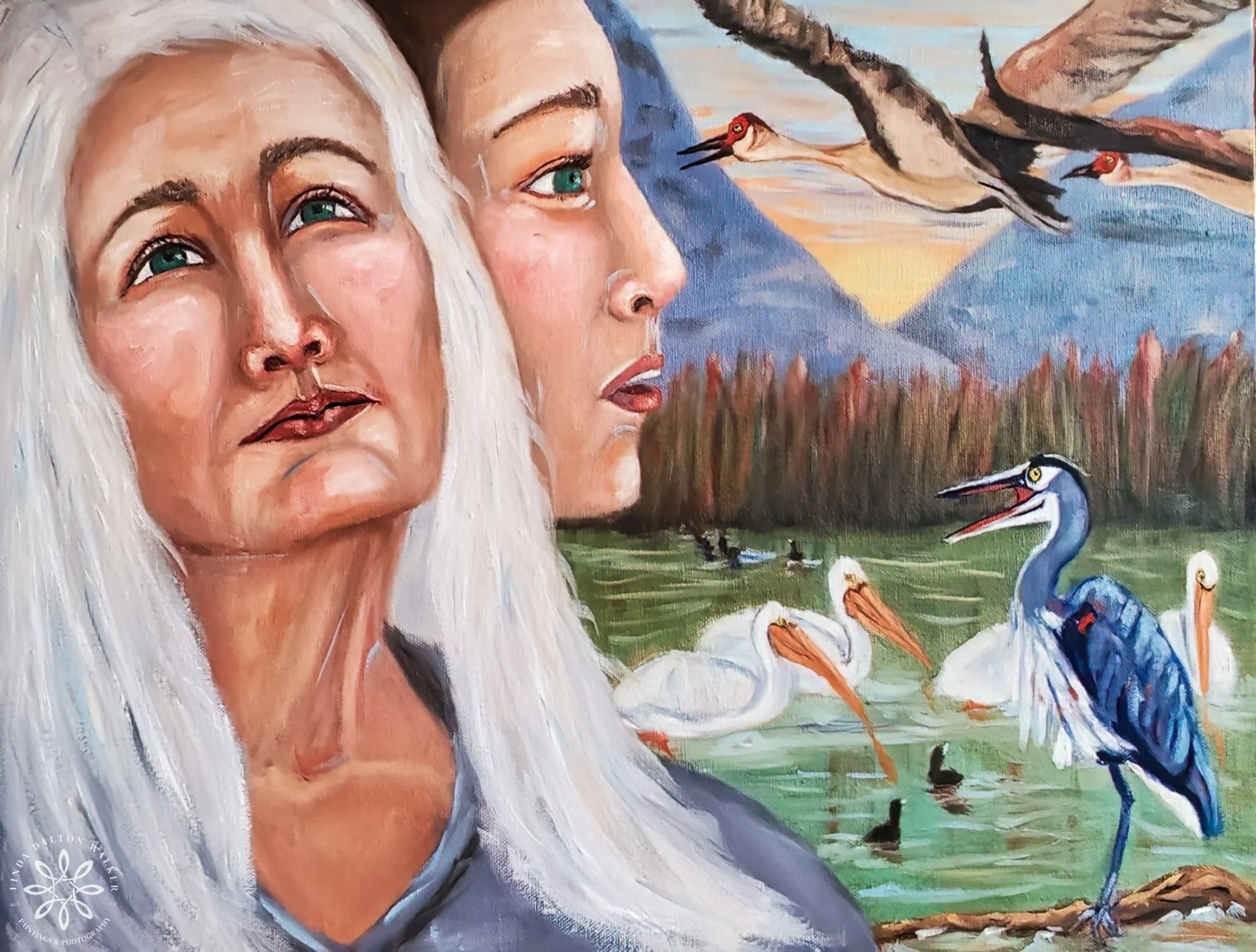
Hope (For Great Salt Lake) - Oil painting on canvas
Where It All Began: Developing My Eye Through Film
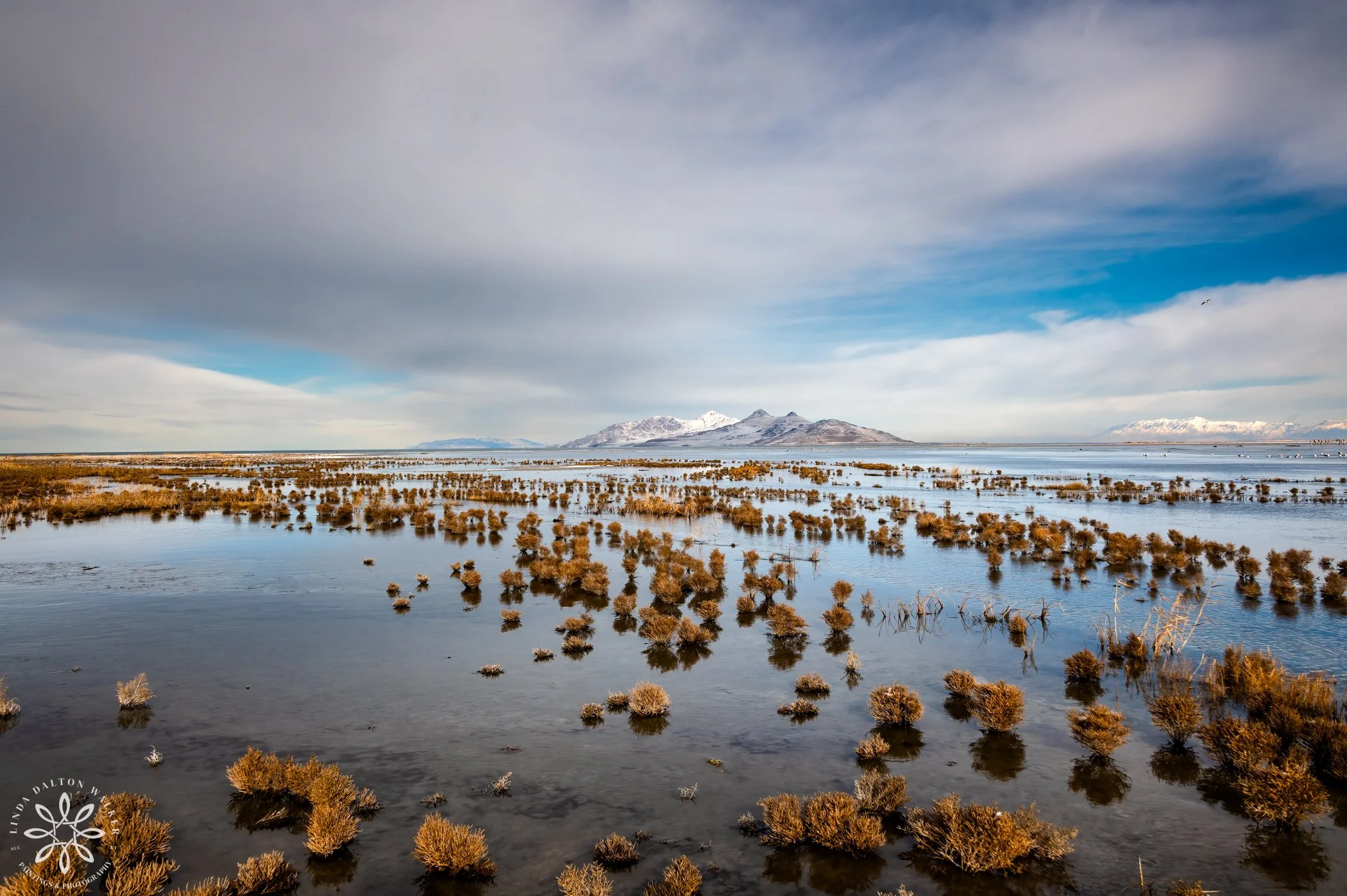
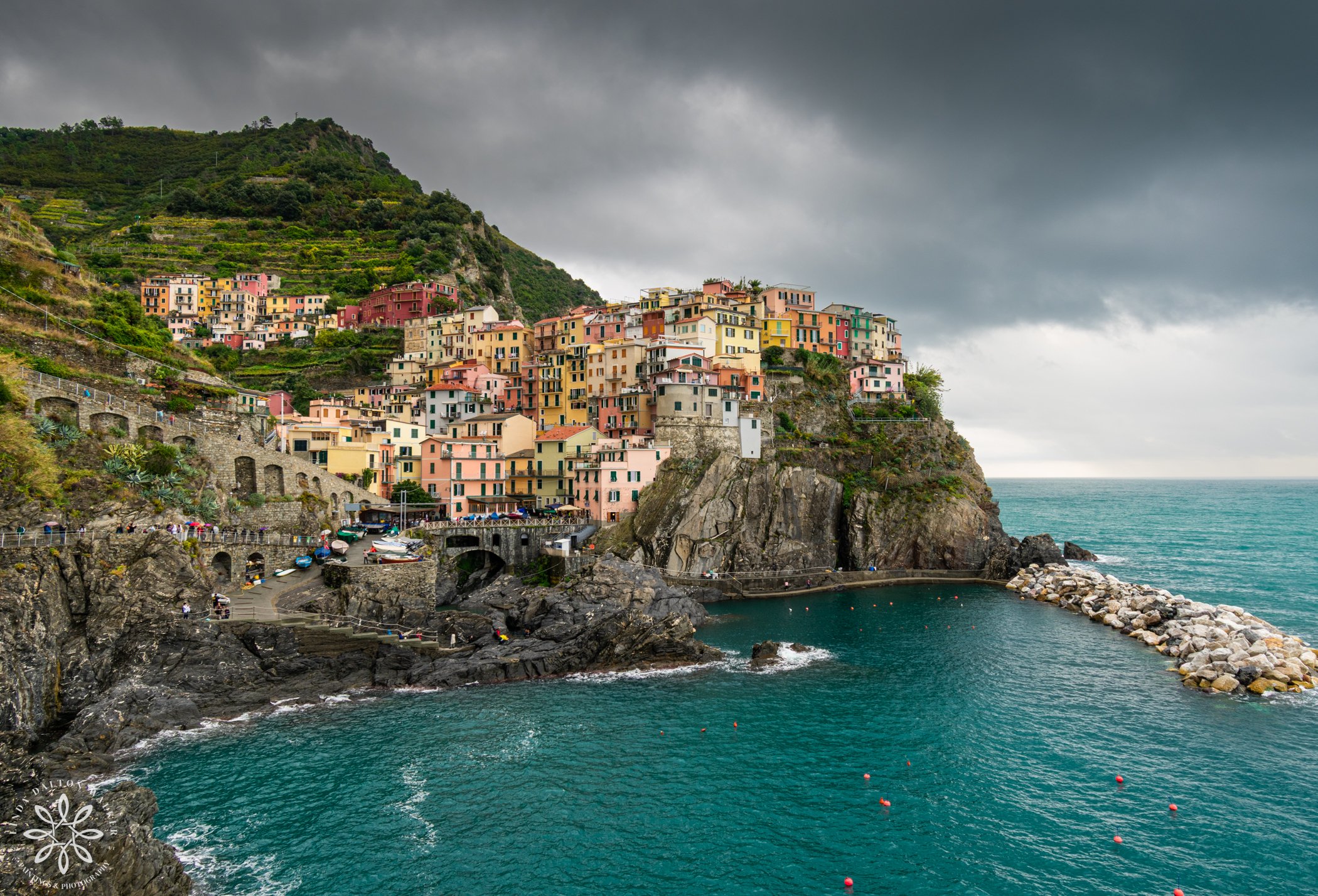
I always joke that I was born with a camera in my hand, and photography has been a constant companion almost all my life. In the beginning, I photographed everything that caught my attention: family, architecture, and western landscapes.
Back then, everything was shot on film. I spent countless hours developing prints in the darkroom at the University of Utah or dropping off rolls at the camera shop, crossing my fingers that my favorite shots turned out. That early film work taught me three core principles that guide everything I do today:
Light: How natural illumination defines form and atmosphere.
Composition: How to frame a subject with intention.
Patience: Waiting for the exact split second when the element or subject aligns.
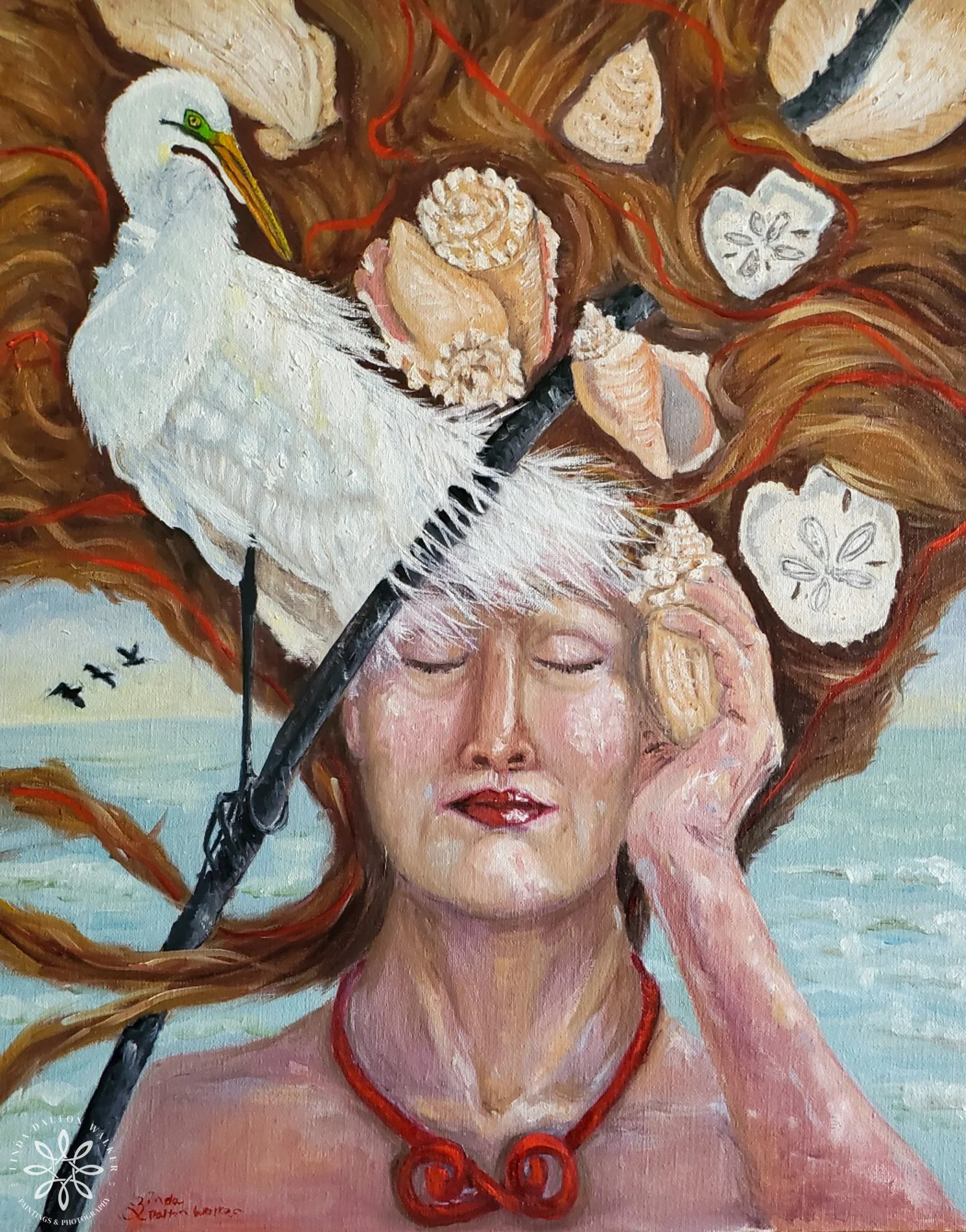
Can You Hear? Oil painting on canvas
Entering the Studio: Classical Atelier Training
While earning an undergraduate degree in Elementary Education with an art minor at the University of Utah, my love for painting grew. Having painted since 1990, I wanted to achieve a level of realism in my work that required deeper instruction.
I sought out Italian-trained artist Kamille Corry and spent nearly ten years studying at her atelier school in Salt Lake City. Even while teaching full-time and earning my graduate degree, I dedicated my Wednesday evenings and Saturdays to classical training.
Under her guidance, I learned to:
Draw with precision using charcoal
Sculpt clay from bone structure outward to understand anatomy
Grind raw pigments to mix my own oil paints
Master classical color theory and composition while painting from live models
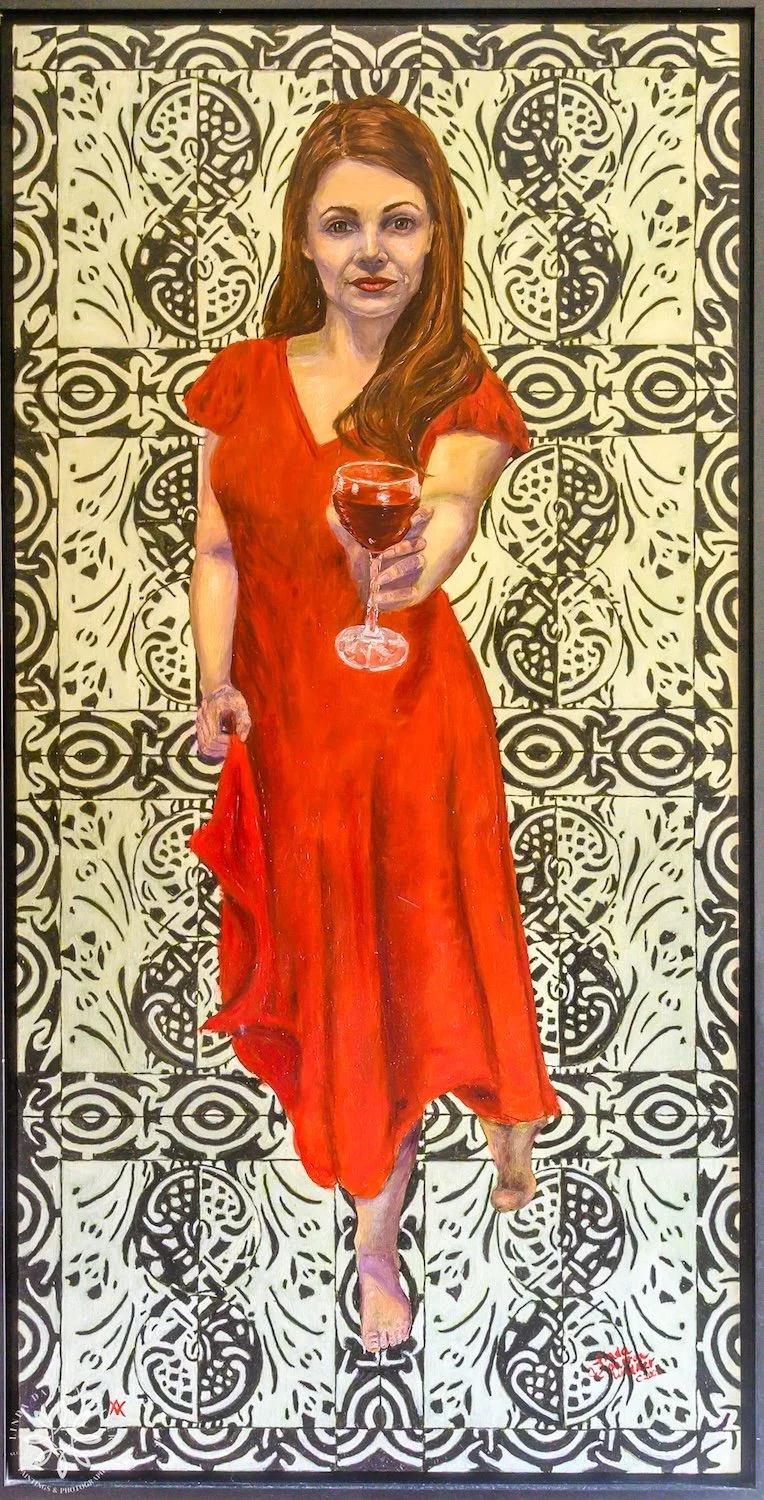
That rigorous training changed everything for me. My final piece from those years, Symbols of Egypt, involved designing the set, sewing the model's dress, and building layers of detailed symbolism.
Peace, Oil on Canvas
Themes That Unfold Across Canvas and Lens
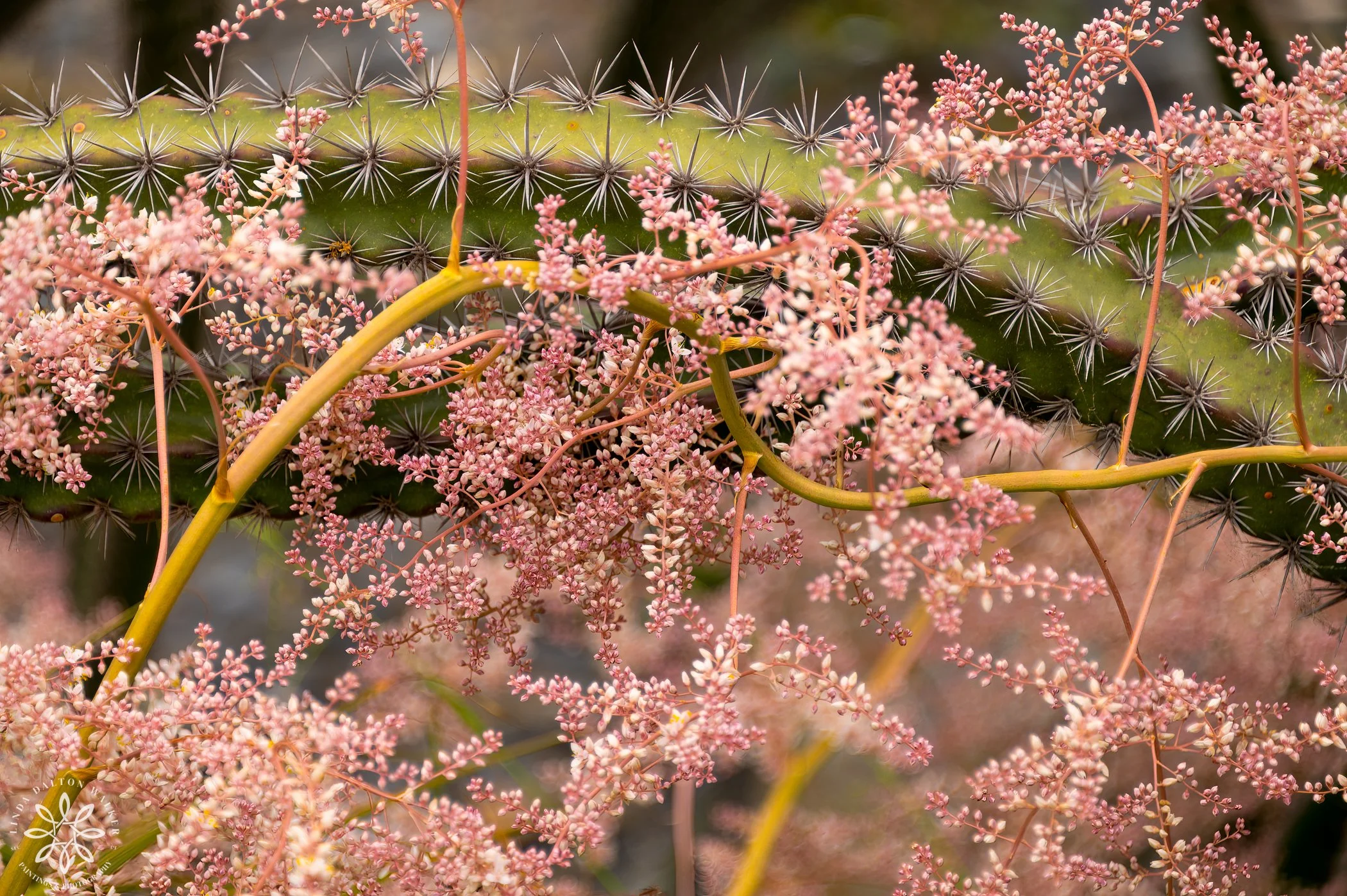
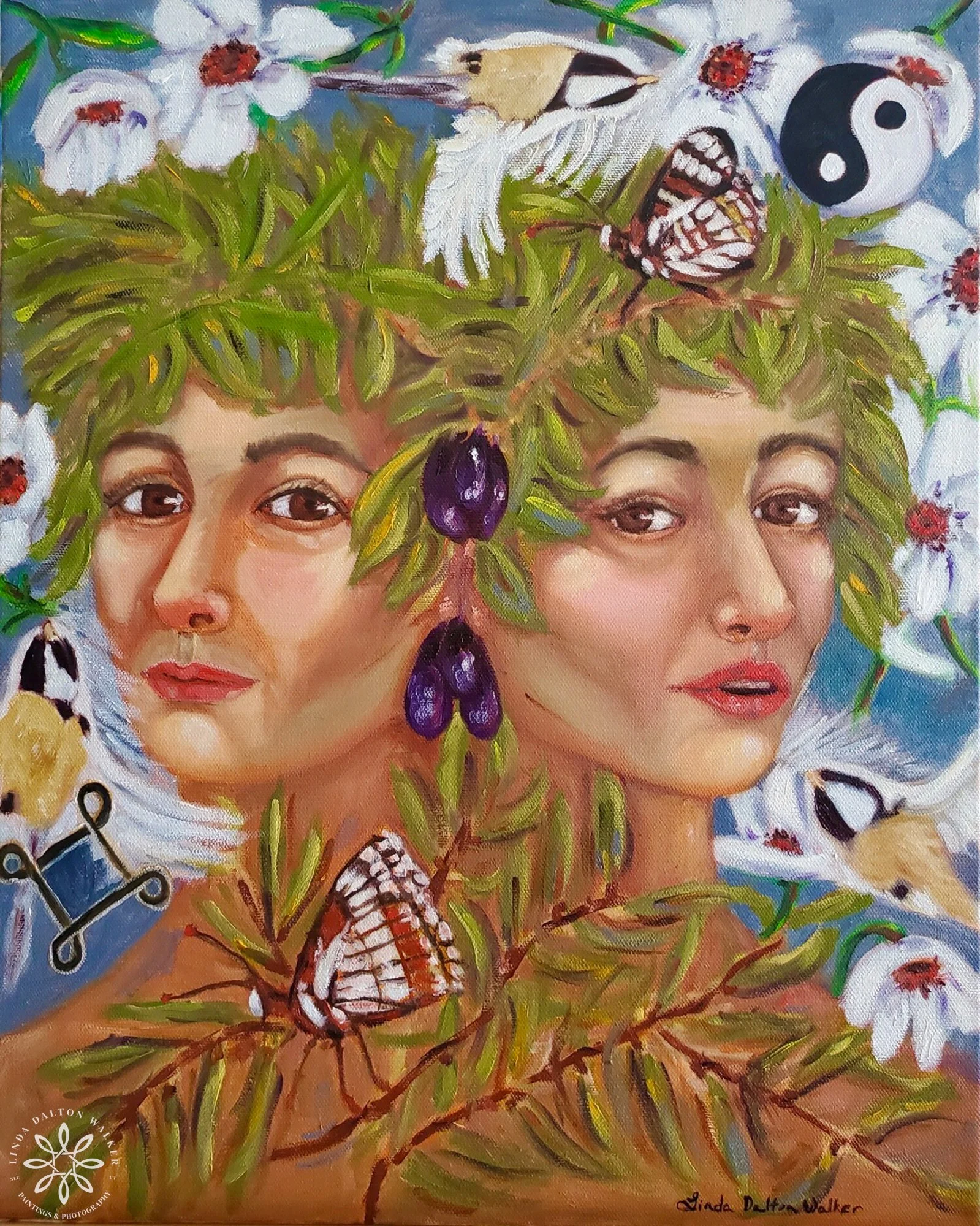
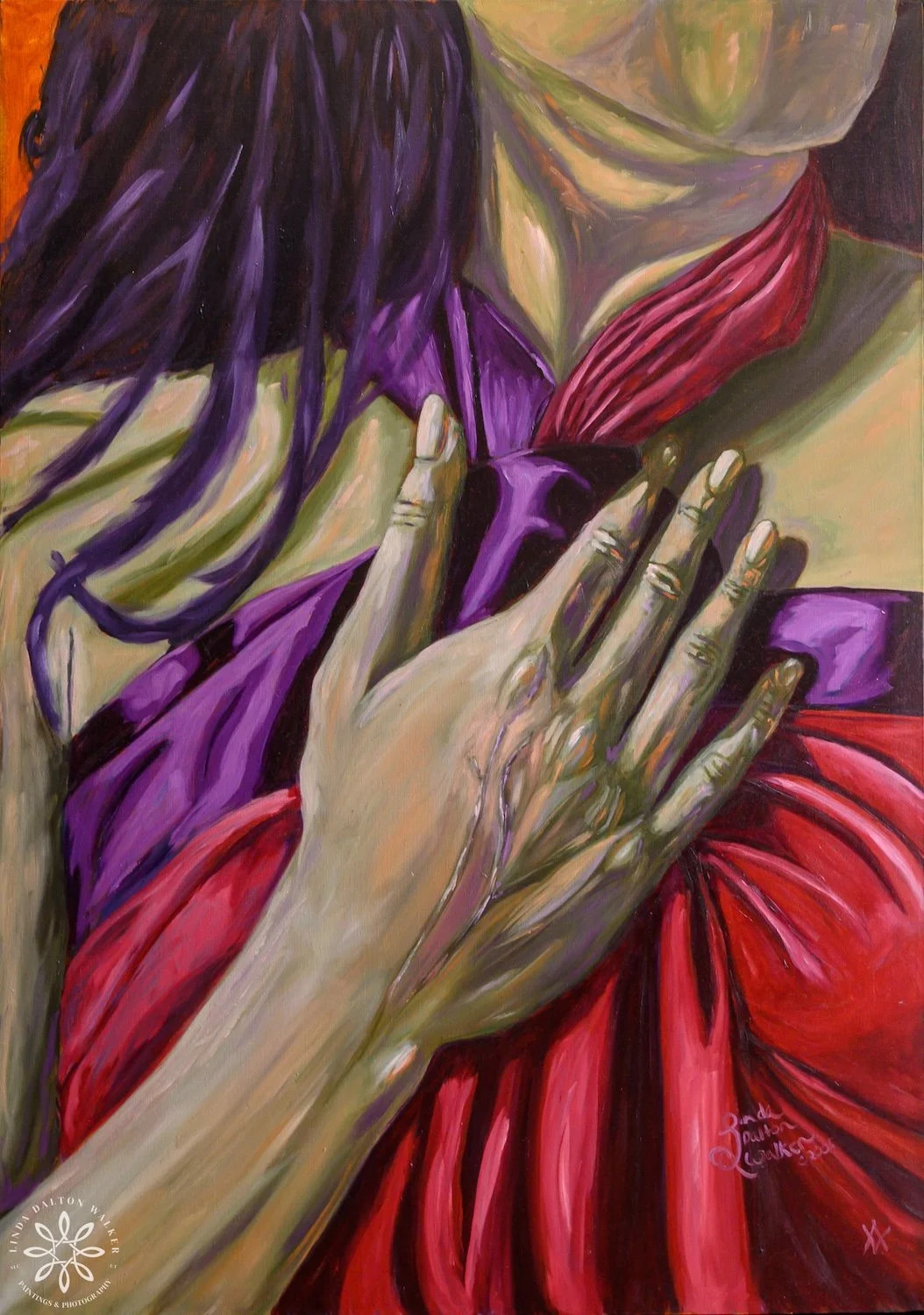
Across both mediums, certain themes naturally call to me. In my studio painting, I often explore soft floral work or bold, symbolic, and archetypal figurative pieces—like Divine Feminine, Hope, Can You Hear, and Peace.
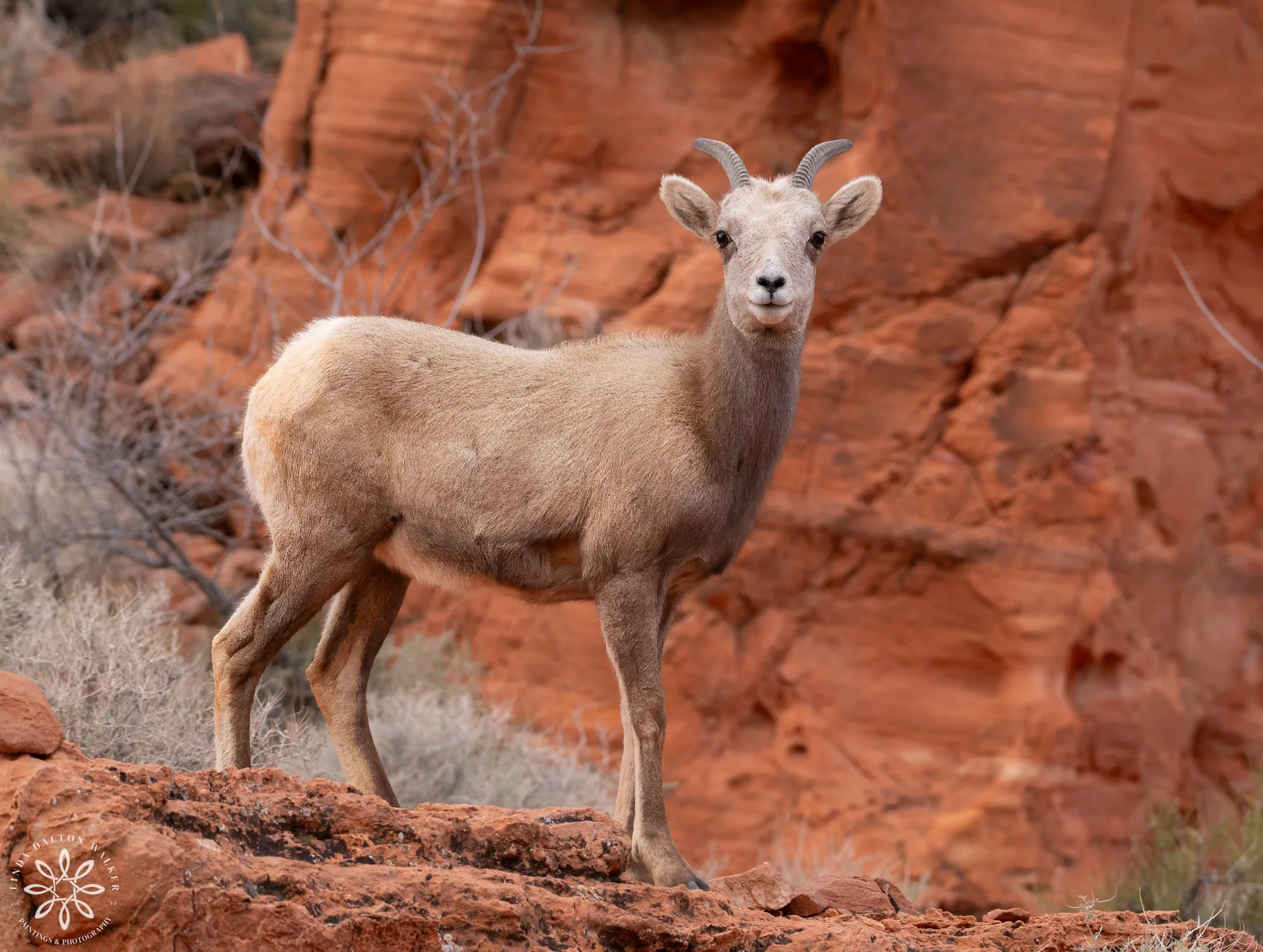
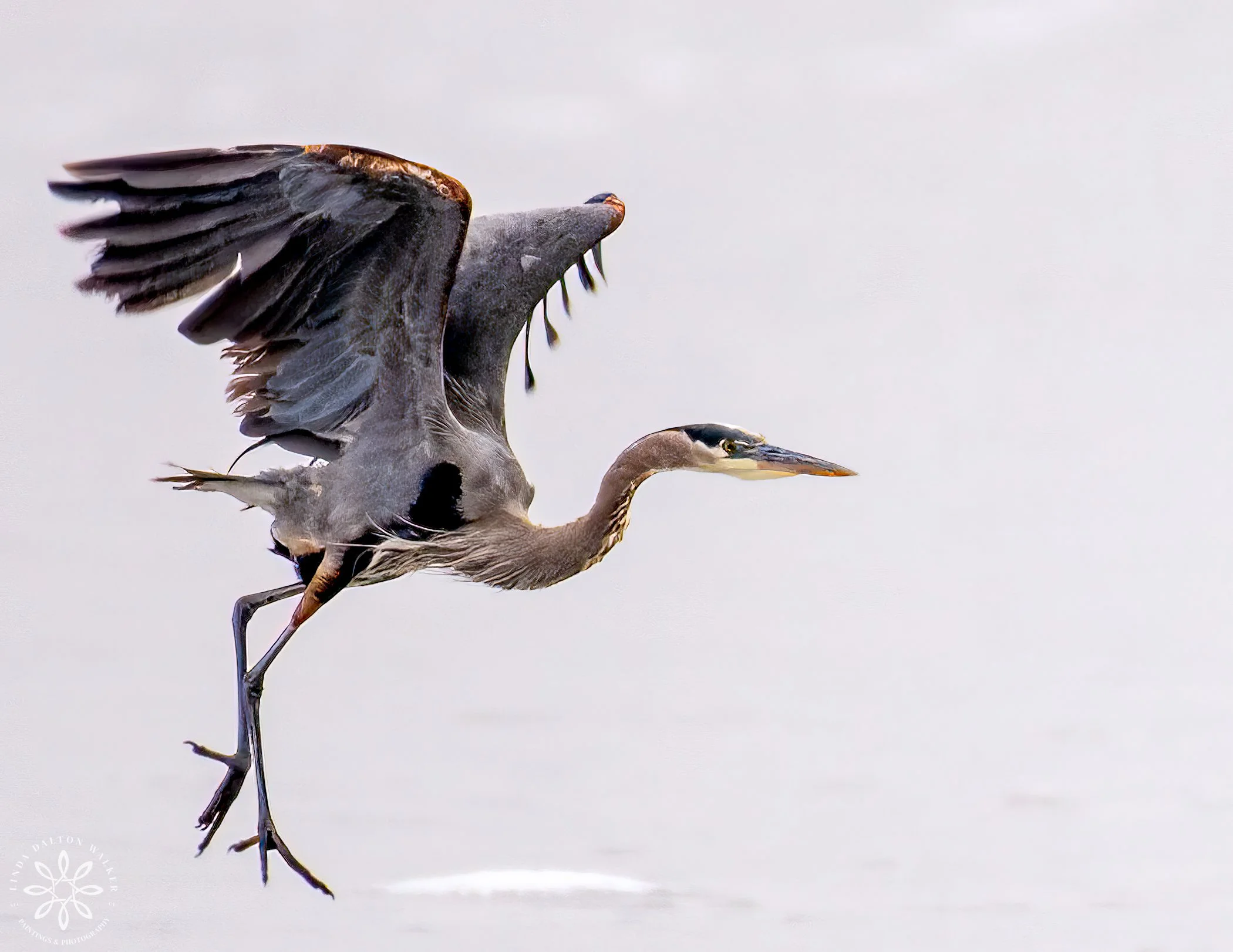
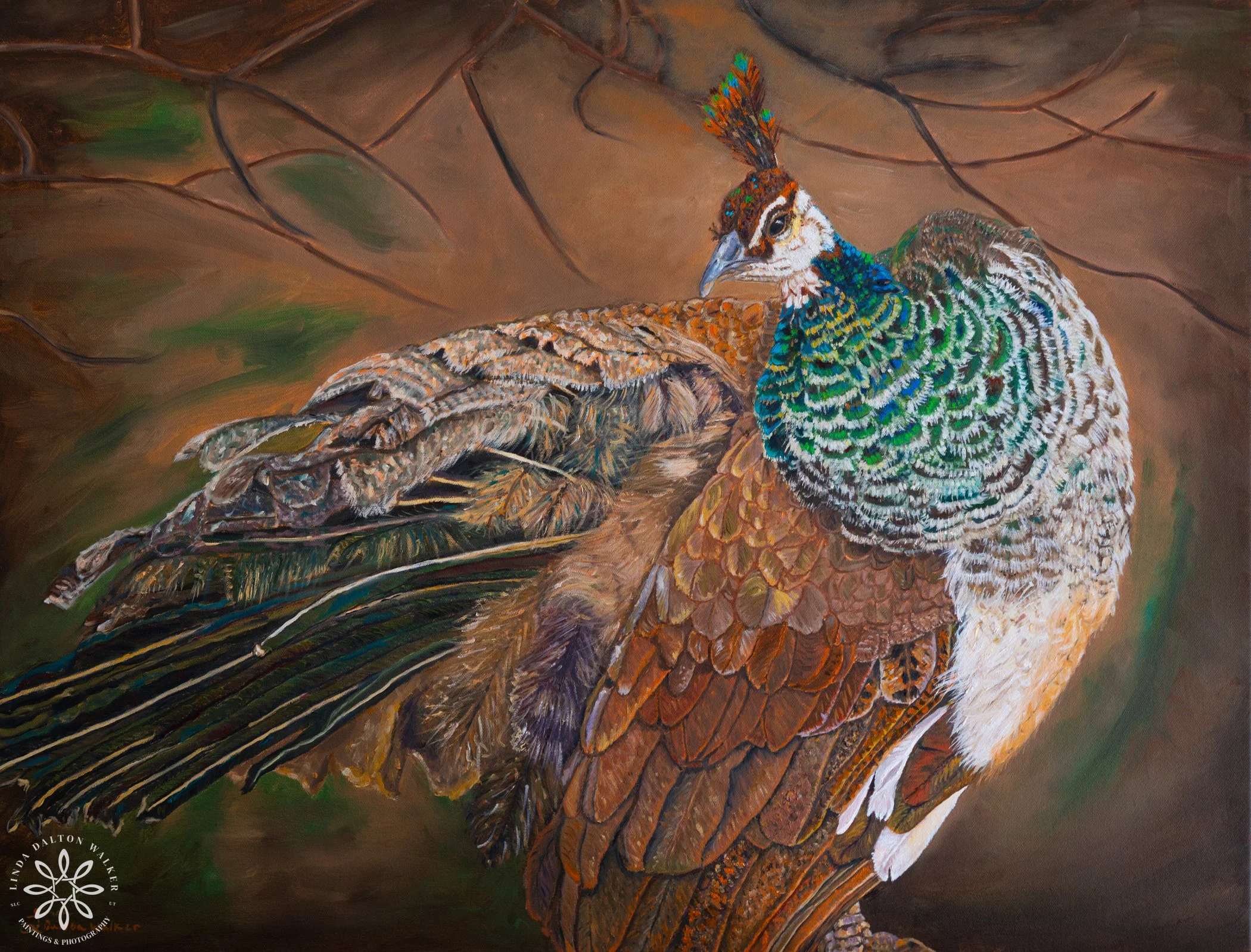
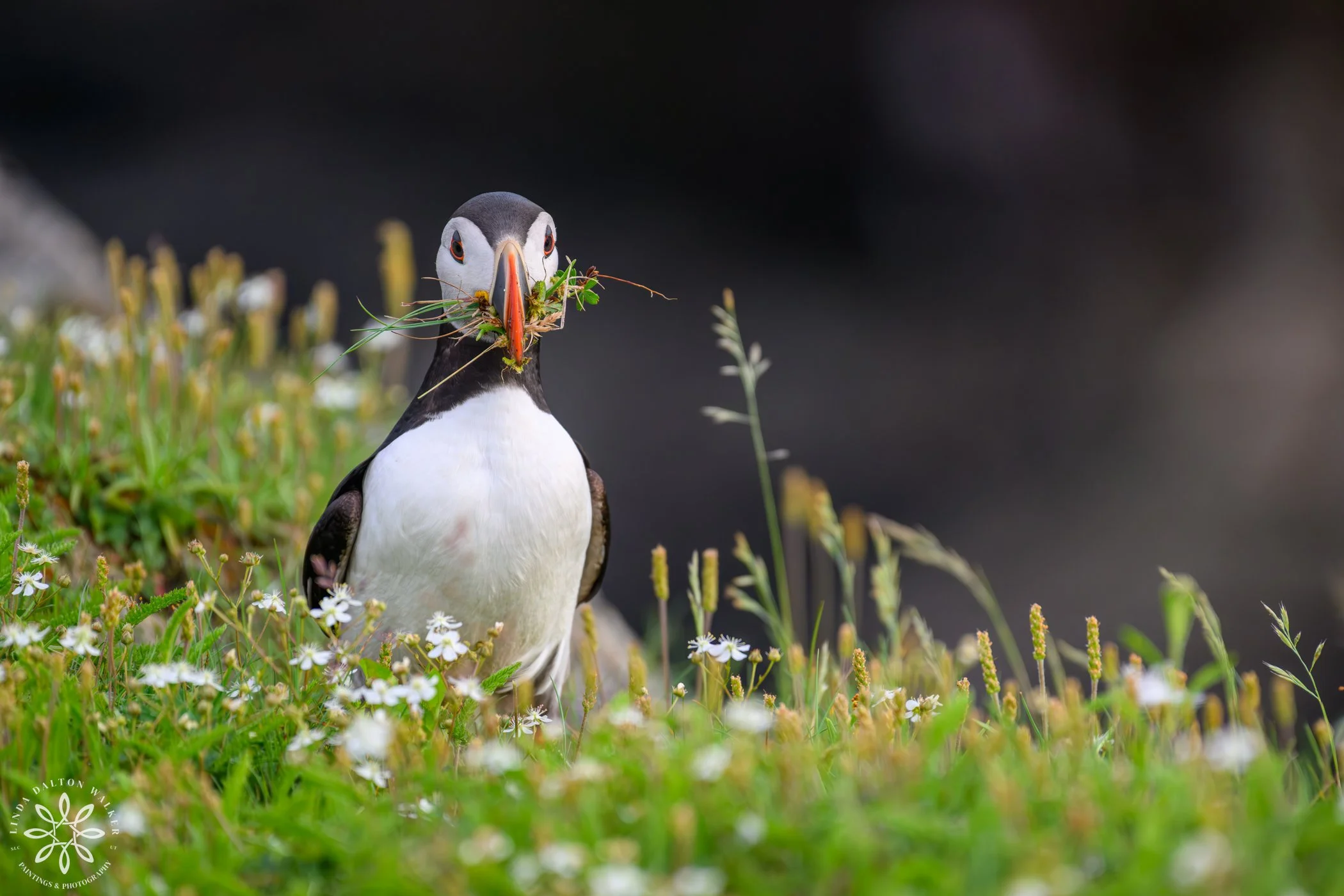
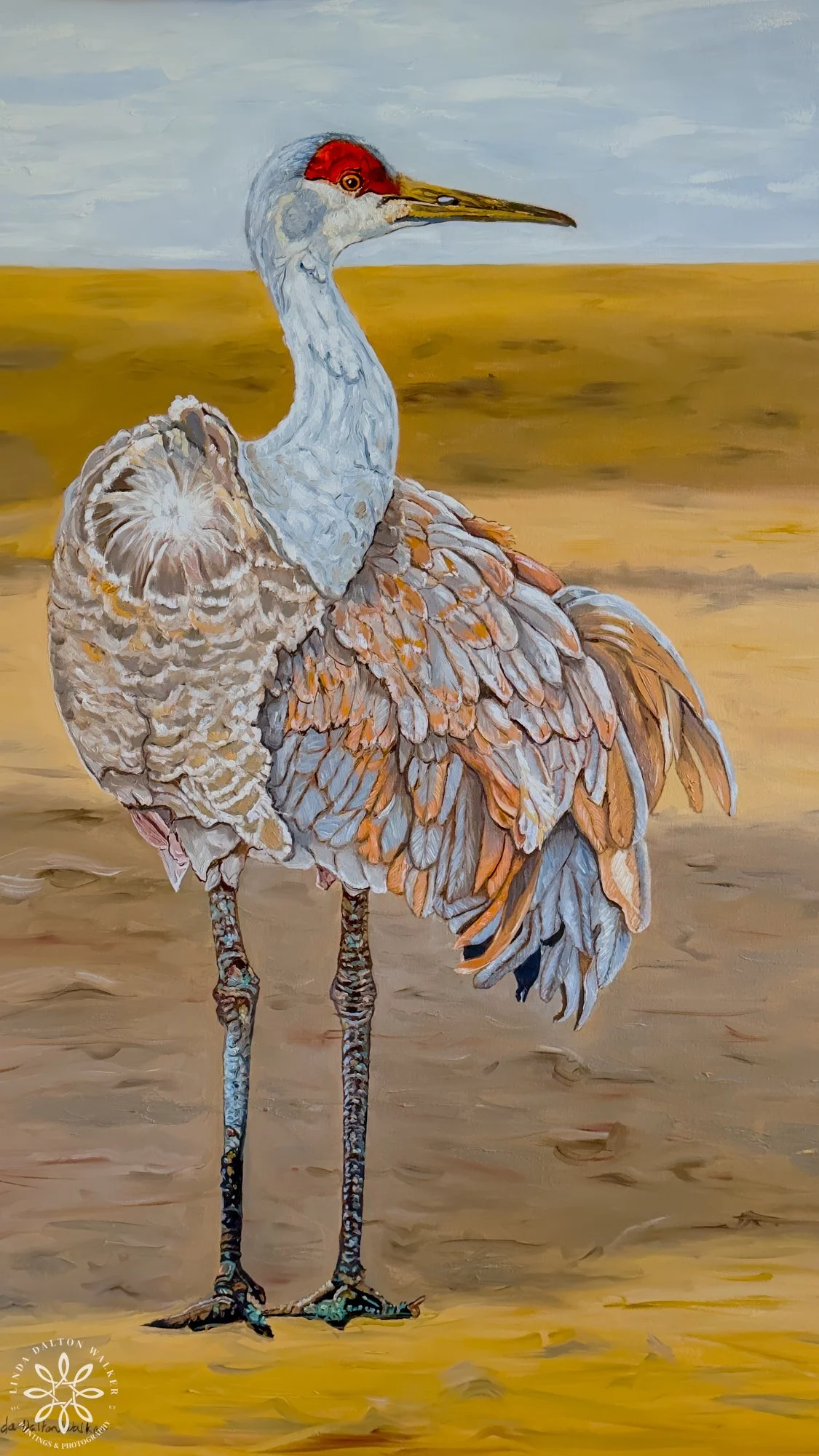
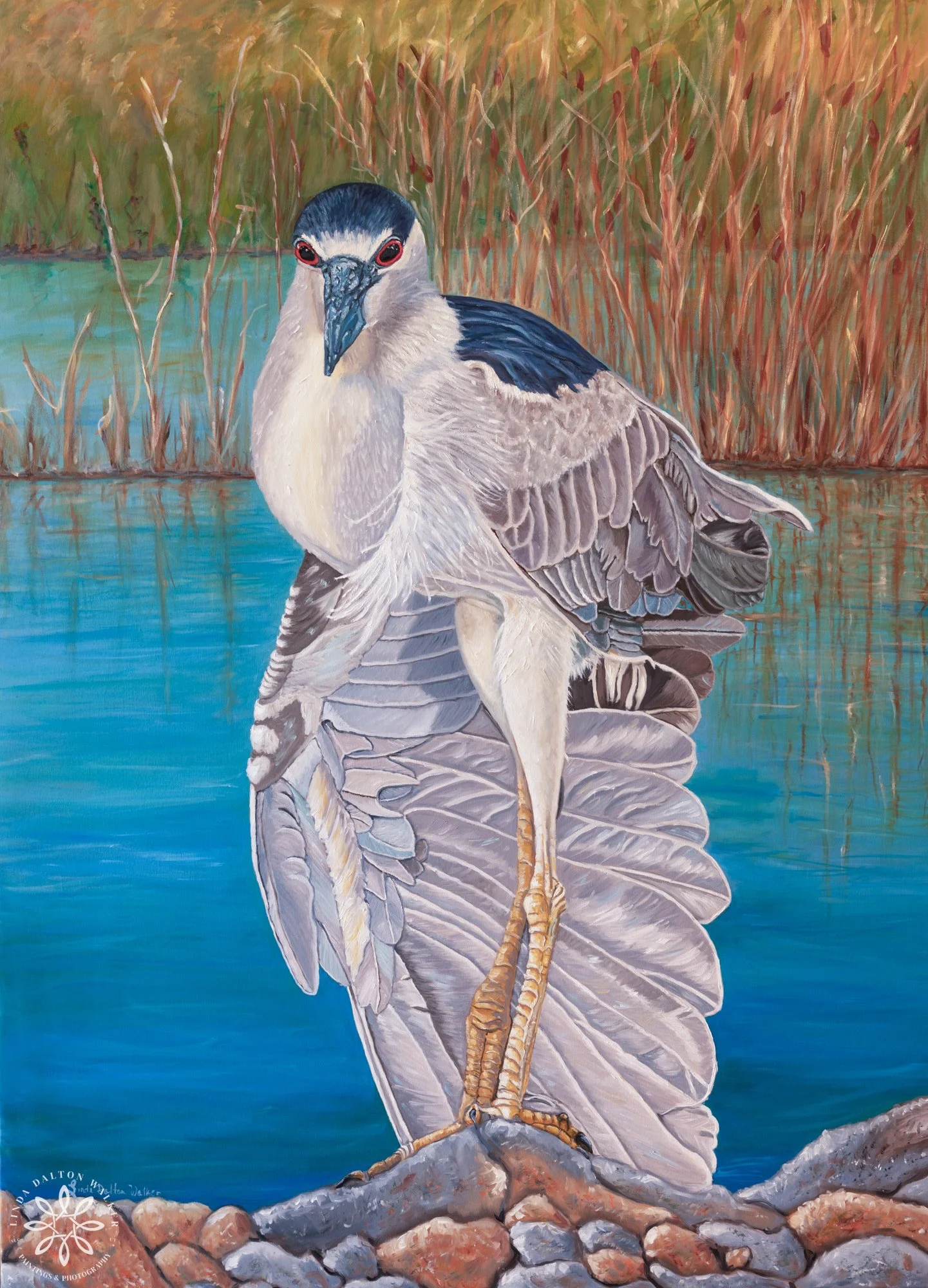
More recently, I’ve begun painting the very birds I encounter through my lens in the field—like my pieces Peahen, Spreading Her Wings, Black-crowned Night Heron, Fan Dance, and Sandhill Crane, Early Morning Light. It feels as though my two worlds are finally merging.
Recognition Along the Way
Throughout my 25-year teaching career, integrating art into every subject I taught led to being named Utah’s Art Educator of the Year through the Utah A.R.T.S. affiliation. Over the decades, exhibiting paintings and photographs has brought numerous honors: most recently, winning Best Fine Art through the Wasatch AAUW exhibit held at the Utah Cultural Celebration Center for my peahen painting. These awards both humble and motivate me to keep stepping back into the field with my camera and picking up my brushes in the studio.
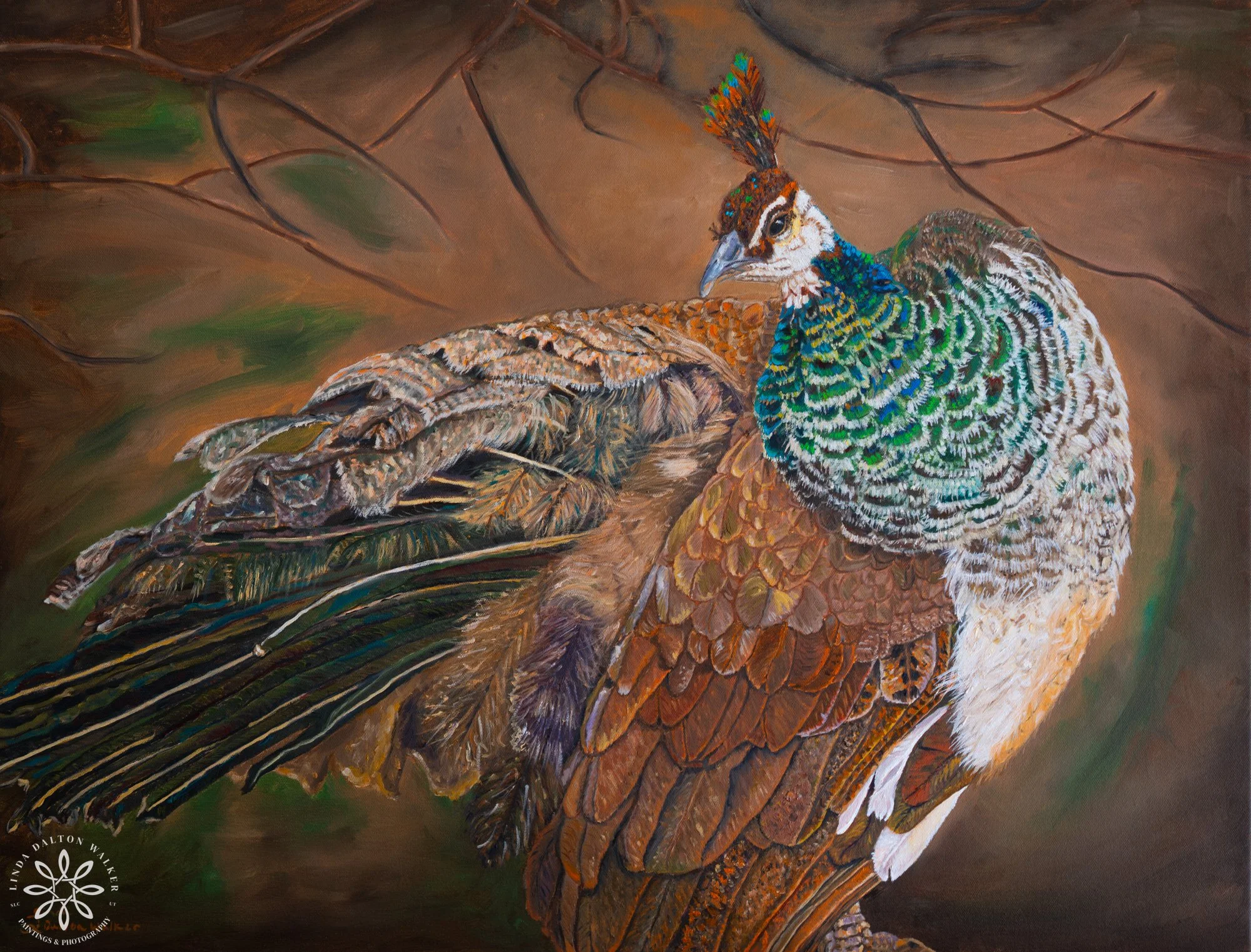
Peahen, Spreading Her Wings. Oil on canvas
Bringing Both Into Your Space
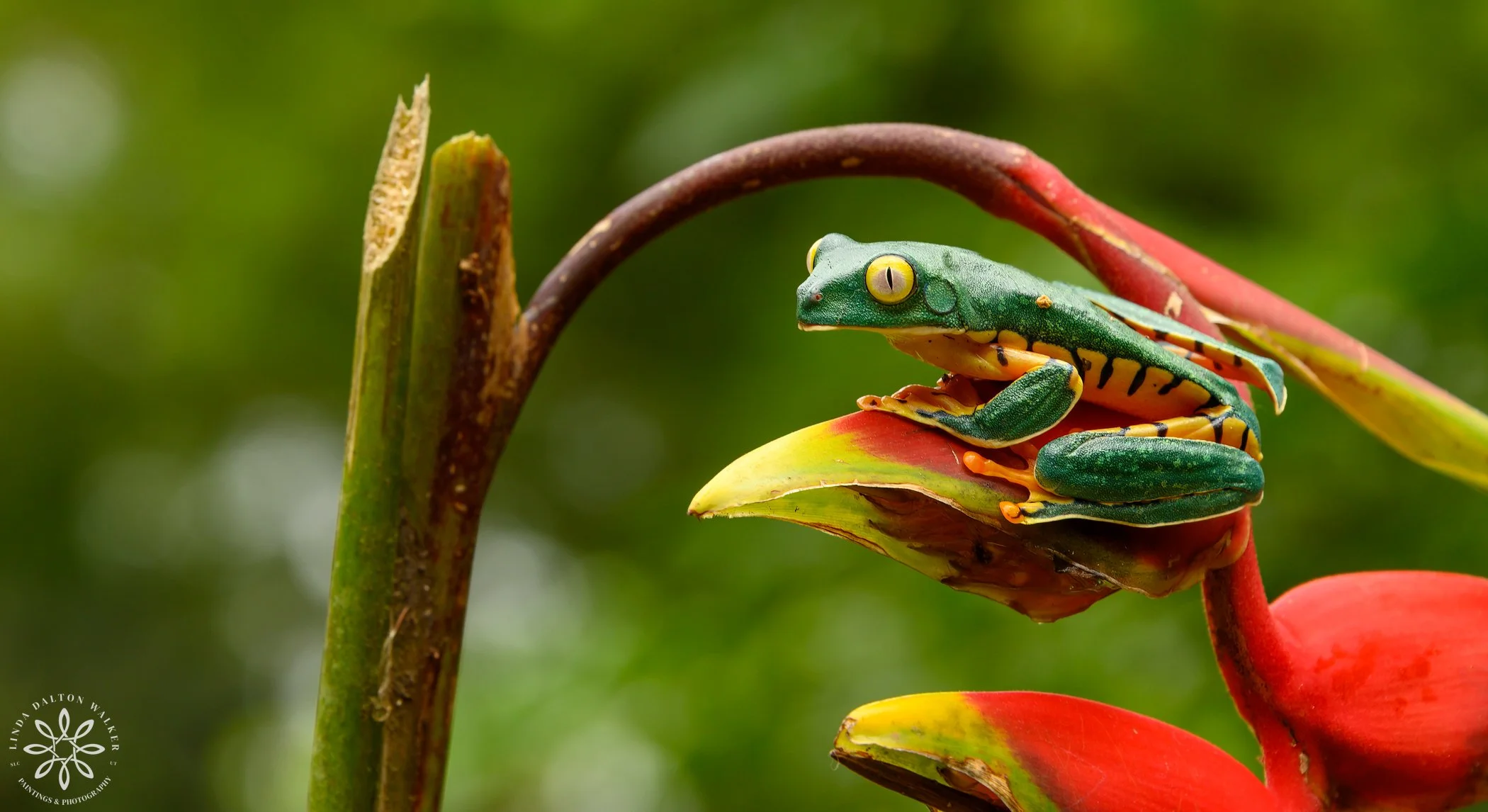
Some collectors come to me specifically for wildlife photography; others fall in love with the rich textures and stories behind my oil paintings. The beauty is that you don't have to choose between them.
Wildlife photography captures nature's exact, fleeting moment. Oil paintings offer interpretation, visible brushwork, and narrative depth. Together, they create a balanced, personal atmosphere on any wall.
If you haven't yet, I invite you to explore the Fine Art Paintings section on my website. Some of the pieces shared here are currently being added to the gallery, so if a particular work speaks to you, please feel free to reach out directly through my contact page!
Frequently Asked Questions for Art Collectors
How do your wildlife photography and oil paintings complement each other in a space?
My wildlife photography captures an exact, authentic moment in nature, while my oil paintings bring tactile brushwork, rich color depth, and narrative symbolism. Combining both mediums in a home or office creates visual interest, bridging the realism of the wild with the warmth of fine art studio painting.
What goes into the creation of your classical oil paintings?
Painting and drawing since 1990 and completing nearly ten years of classical atelier training form the foundation of my studio work. Using archival oil paints, live model sessions, custom reference setups, and archival canvas materials, every painting is crafted with meticulous attention to anatomy, light layers, and lasting physical quality.
Can I collect both original oil paintings and fine art photography prints?
Yes. Many collectors select fine art photographs for open living areas and original oil paintings for focal walls, dining areas, or study spaces. I am happy to assist you directly in selecting complementary pieces, framing styles, and proportions for your specific walls.
How do I inquire about acquiring an original painting or custom print?
While I continue adding new works to my website, you can inquire directly about any painting or photo by sending a message through my Contact Page. I work closely with clients to discuss sizing, availability, and framing choices.
Read my blog about how to care for your art, so your collections will last a lifetime.