HOW TO TAKE CARE OF YOUR ART
So excited for you to have invested in fine art. Now that you are a collector, the next step is correctly caring for your art. 🤍

Western Grebes - Mating Dance
Fine Art Will Last For Decades
I live in Salt Lake City, and as a wildlife photographer and painter, my heart goes into every piece I create, and I want to help you understand what is needed to care for your art.
Fine art will last for decades and perhaps even become a family heirloom.
Inside this post, I’m going to share simple, practical tips to help you protect your investment and keep your artwork looking incredible for years to come.
Who This Guide Is For:
If you’re reading this, you likely:
Just purchased one of my art pieces or are interested in purchasing one in the future.
Care about quality and long-term value
Want to display your art beautifully and responsibly
What to Consider After Purchasing Original Art
There are a few common mistakes collectors make.
The good news…
They’re easy to avoid. Let’s walk through them.
1. Be Careful with Ink or Glue on the Back Of An Art Piece
I know it’s tempting to write notes directly on the back of your artwork, but please pause before you do.
If the back is canvas or paper:
Ink can bleed through to the front over time
Glue and adhesives can stain permanently
Damage may not show up for years
Instead:
Write information on a separate sheet of paper
Place it inside a sealed envelope
Attach it gently to the hanging wire or wooden frame’s edge.
If your piece has a solid backing, then feel free to write all you want.
And one more thing, a signed art piece or information left on the back by the artist, such as gallery exhibits or awards will add value to your piece over time.
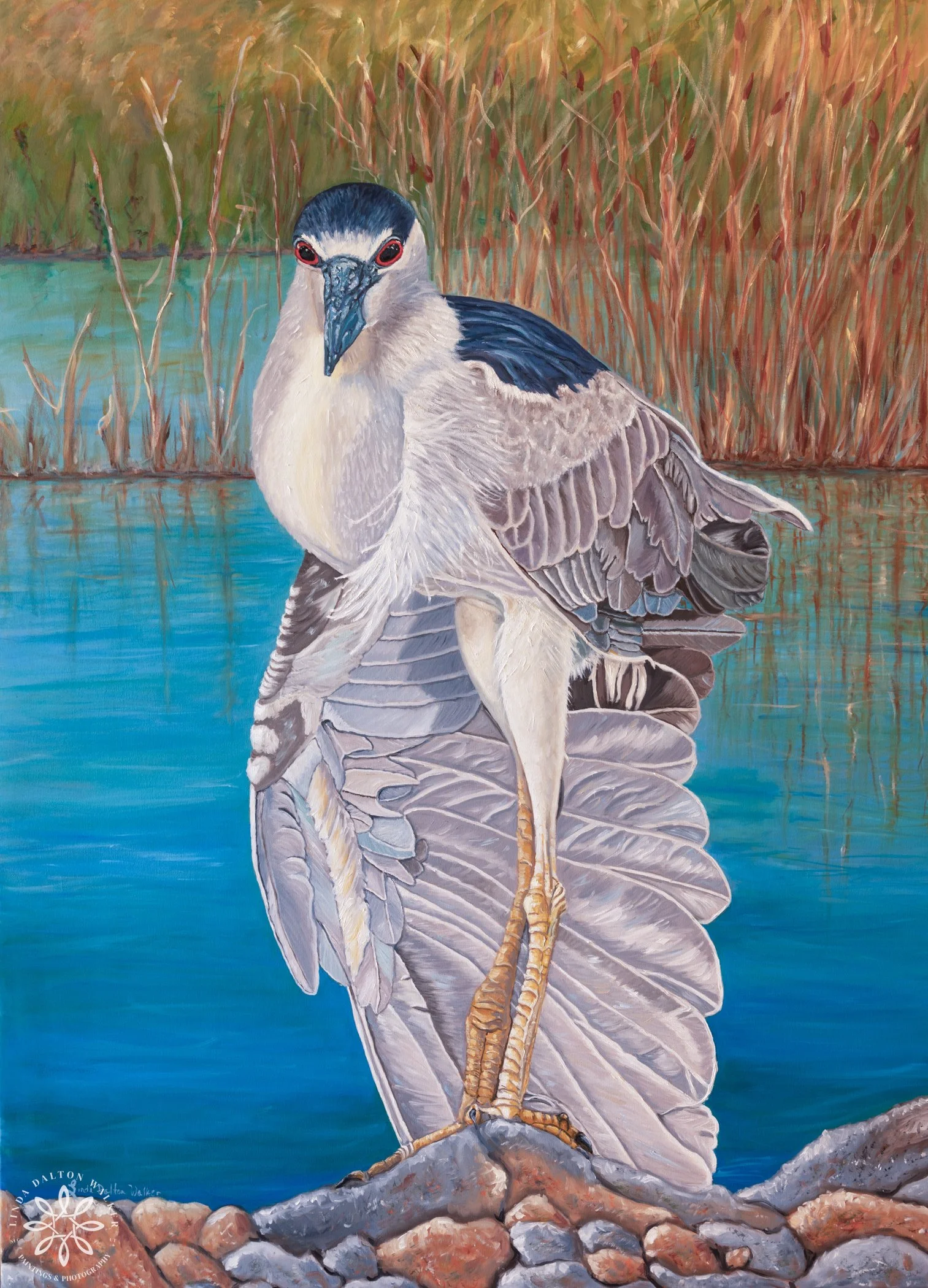
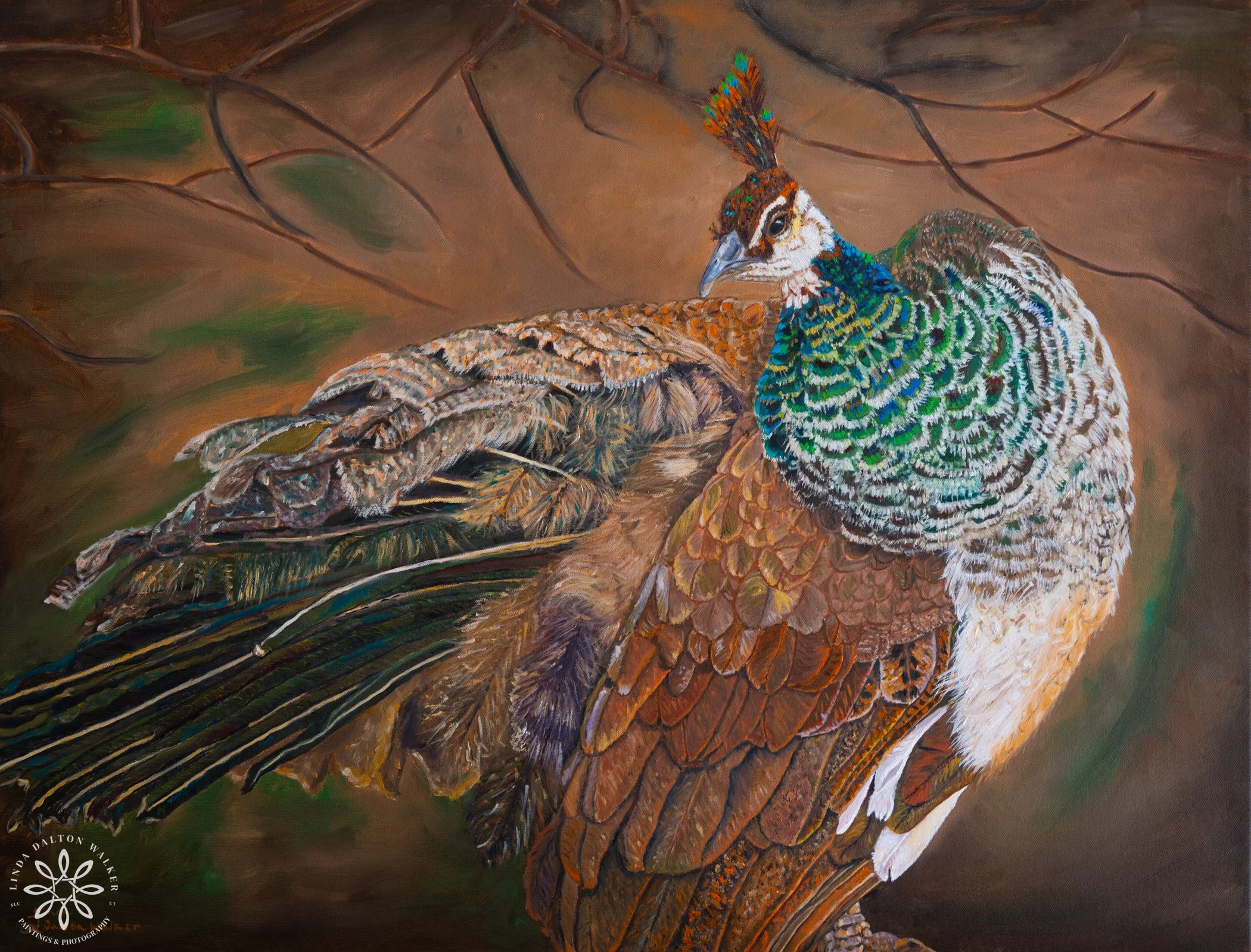
Black Crowned Night Heron - Oil Painting
2. Avoid Direct Sunlight or Harsh Lighting on Your Art
Before you choose the perfect wall, check the light.
Long-term exposure can lead to:
Faded colors
Reduced detail and contrast
Discolor the varnish (for oil paintings)
Cause irreversible damage
My glassed photographs are UV-protected, but no glass blocks 100% of harmful rays.
Helpful tips:
Avoid direct sunlight
Limit strong indirect light
Use ceiling-mounted spotlights instead of lights attached to the frame
3. Watch Humidity Levels Surrounding Your Art Piece
Humidity is one of the biggest hidden threats to artwork.
Try to keep humidity at 60% or lower.
High moisture can cause:
Canvas shrinkage
Frame expansion
Warping and rippling
Mold and mildew (which usually starts on the back)
Avoid hanging art work:
In bathrooms
Near kitchen sinks
In sunrooms
In very damp basements
If you live in a humid area, consider a dehumidifier and occasionally check the back of your piece.
In humid areas (such as bathroom and near kitchen sinks) consider hanging:
Metal art prints
Textiles
Sculptural pieces
4. Keep Art Away From Heat and Smoke
That gorgeous fireplace mantel? It may not be the safest place.
Heat and smoke can:
Dry out and weaken fibers
Cause bubbling or blistering paint
Leave residue buildup on the surface
Create long-term structural damage
Also avoid placing art near:
Radiators
Heating vents
Stoves
If you love the fireplace look, consider:
A large metal print
A mirror
Sculptural pieces
Textiles (away from direct heat)
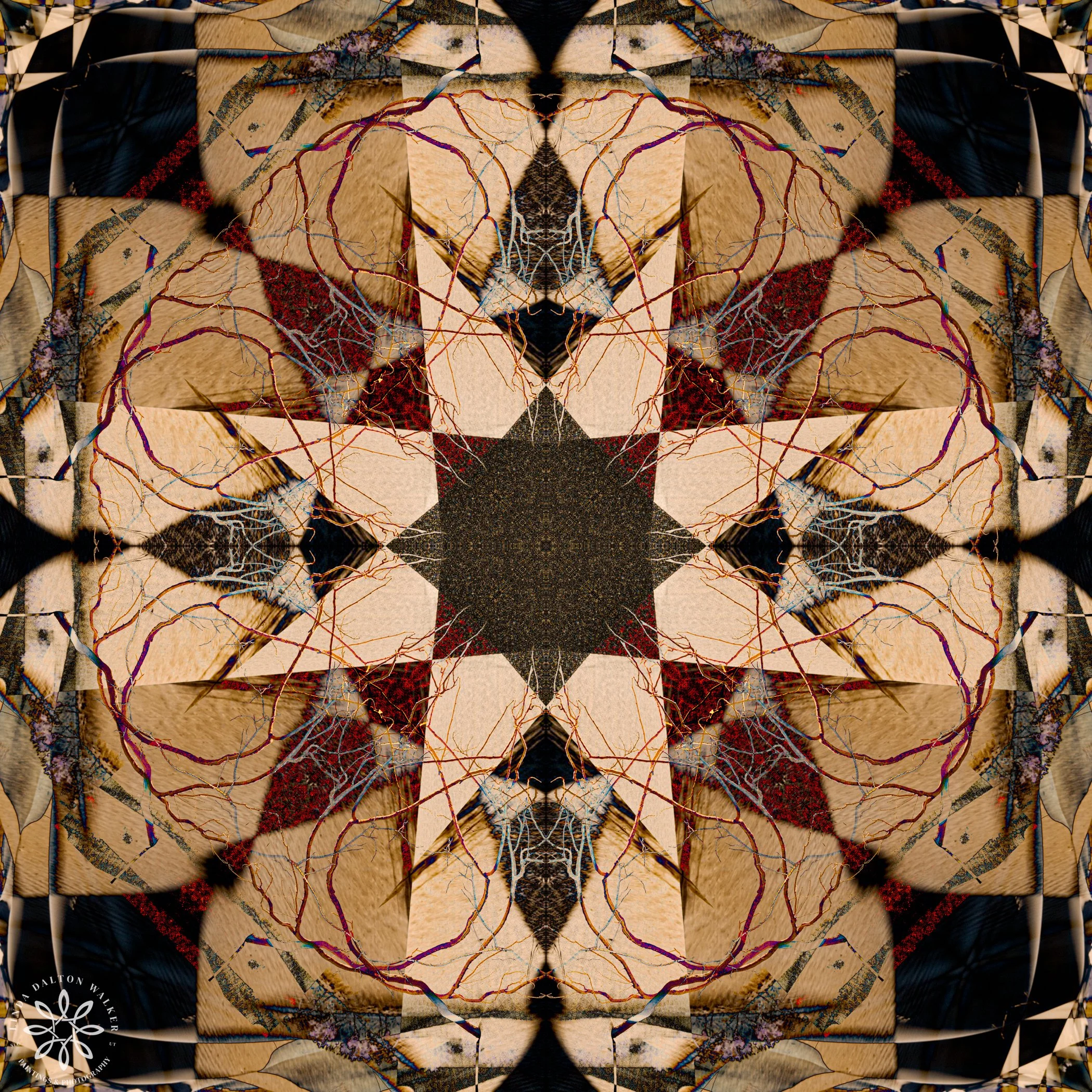
Kaleidoscope Rug - Abstraction created from a
5. Use Proper Hanging Hardware for Your Art
This one matters more than people think.
Improper hanging can lead to:
Frame stress
Warping
Separation between art and support
Creases or tears
Best practice:Add D-rings for extra support
Use proper picture hooks (not random nails or screws)
Upgrade hardware for larger or heavier pieces
Use a wire secured on both sides
Also, if you have pets or young children, a floor display may not be ideal. In addition, carry art by using both hands on the edges of the frame, or carry by the wire on the back.
Try not to carry an art print with one hand and holding just one edge. It will cause separation.
6. Keeping Your Art Piece Clean
Less is more when it comes to cleaning.
For exposed paintings (every 4–5 months)
Use a soft sable or badger-hair duster - be sure to shake it out beforehand.
Check first for cracks, chips, or loose paint, so they won’t snag and tear.
Gently dust — no pressure
For glass-covered pieces:Spray cleaner onto a microfiber cloth (not directly onto the glass)
Wipe gently
Avoid moisture seeping under the frame. Try to use less cleaning solution than you think you need.
If your piece ever becomes damaged, please reach out to a trusted professional conservator. Restoration done properly can preserve beauty for years to come. I had to do this once when a dog knocked over a piece I had left supported by a chair.
Final Thoughts From Me to You
Your piece tells a story, and it is a reflection of you and your love of nature, travel, and beauty.
If you are ever unsure about placement, lighting, or maintenance, I would be more than happy to help. Just reach out. I genuinely care about where my work lives and how it’s preserved in your home.
And again — thank you. I’m thrilled that you chose one of my pieces to be part of your story. 🤍
Please contact me if you have any questions.
Linda Dalton Walker