White Storks of Geloi Reserve | Sicily, Italy
Photographing the White Storks (Ciconia ciconia) in Sicily, Italy
Geloi Private Nature Reserve
“Protection of free-living wildlife and their habitats, and the preservation of species diversity, is a generational sponsorship obligation.”
- Geloi Private Nature Reserve.
As I mentioned in my Greater Flamingo Blog (Link), when I first started planning my birthday/birding celebration to Italy, it was to photograph wildlife. My guide Mauro Riva and I first thought the Dolomite region would be good, until we realized there would still be a lot of snow, so we changed it to Sicily and to birds.
When I photograph wildlife, I can sit for hours and spend all day in one location, happily waiting to see what shows up. However, since I had invited three friends to join me on this celebration journey, I asked Mauro and Gabrielle Lonzi - our other fabulous guide - to add in some cultural components. I wanted my friends to enjoy the experience as much as I was, and I was thrilled to watch their reactions when we went to different locations. It is a time I will always remember - a time with good friends and a country I love.
Before out trip, Mauro would occasionally send teaser images of birds, tracks, and sunsets to get me even more excited about this visit as he and Gabriele scouted out wildlife regions. One of the images he sent was of a White Stork pair on a nesting platform. I could hardly contain myself, and danced around my house with the thoughts of photographing White Storks at the Geloi Private Nature Reserve in southern Sicily.


Driving up the dirt road to the nature reserve, we spotted a row of the nesting platforms established just for the White Storks, and they were filled with the birds. I had to refrain myself from jumping out of the van at this point, but we continued on to the reserve.
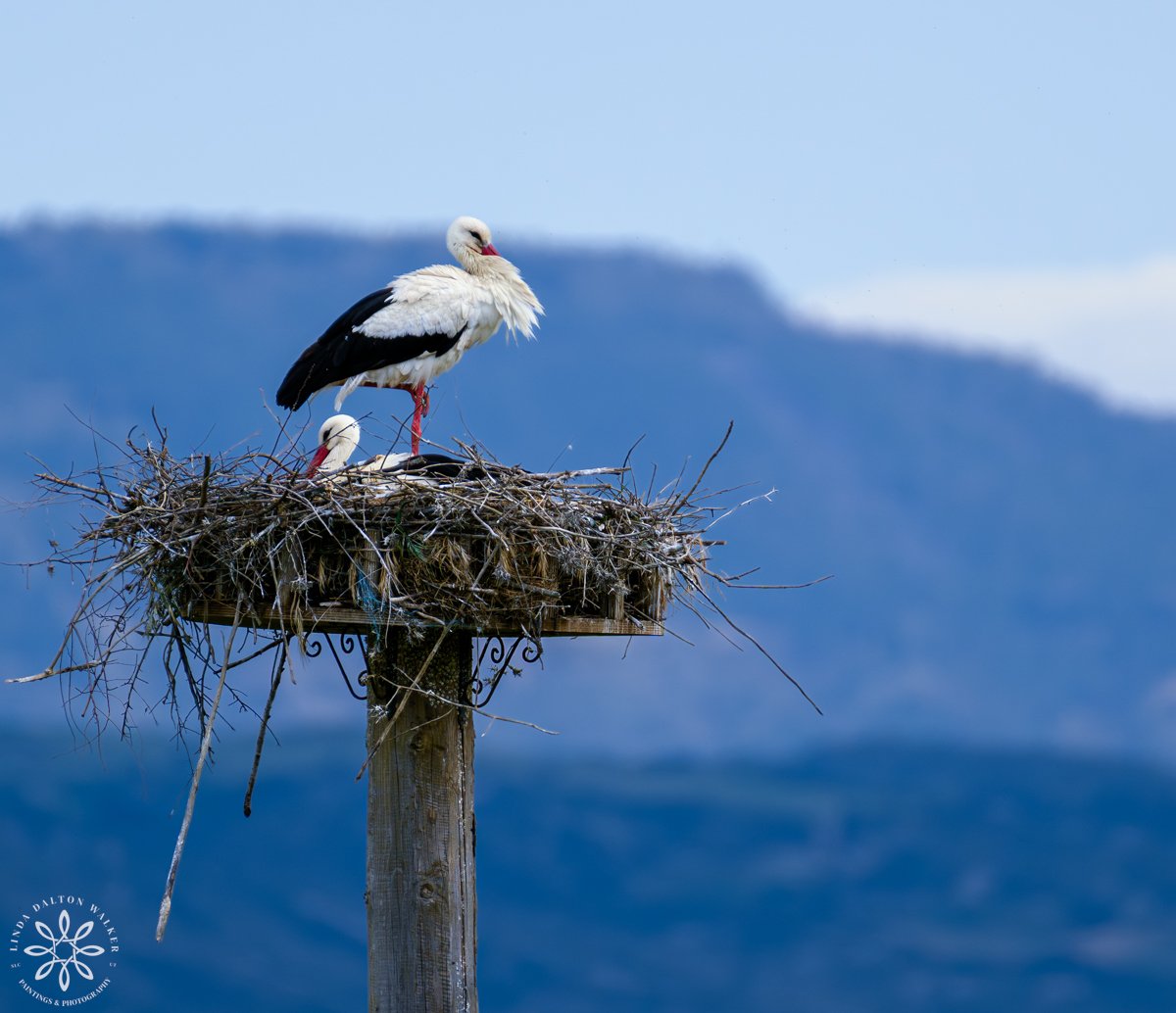
This private nature reserve was established in 2017 to restore damaged agricultural land in order to create a thriving, biodiverse ecosystem. I read that roughly 177 species migrate through this region in the spring/autumn. This region hosts the largest breeding population of White Storks in Italy that were historically extinct in Italy, but successfully returned in the 1950s thanks to reintroduction programs, wetland restoration, and artificial nesting platforms like you see in this photograph I took of them on the Geloi Wetland. If you look closely at the image above you will notice a very small chick that is reaching up to the feeding parent.
Inside this blog I will share with you:
Information about the Geloi Private Nature Reserve from office administrator of the "Foundation Pro Biodiversity“ in Basel, Switzerland, Roman Mendelin, whom I contacted and asked specific questions about the reserve and the White Storks. Their foundation owns the Geloi Reserve and manages, among others, the project in the Geloi area financially and through the collaboration with freelancing "Bird & Habitat Guards“ as well as a Project Manager on site.
I will also include information and images of the White Storks.
As always I will share with you how you can commission a fine art print of a White Stork, please let me know.
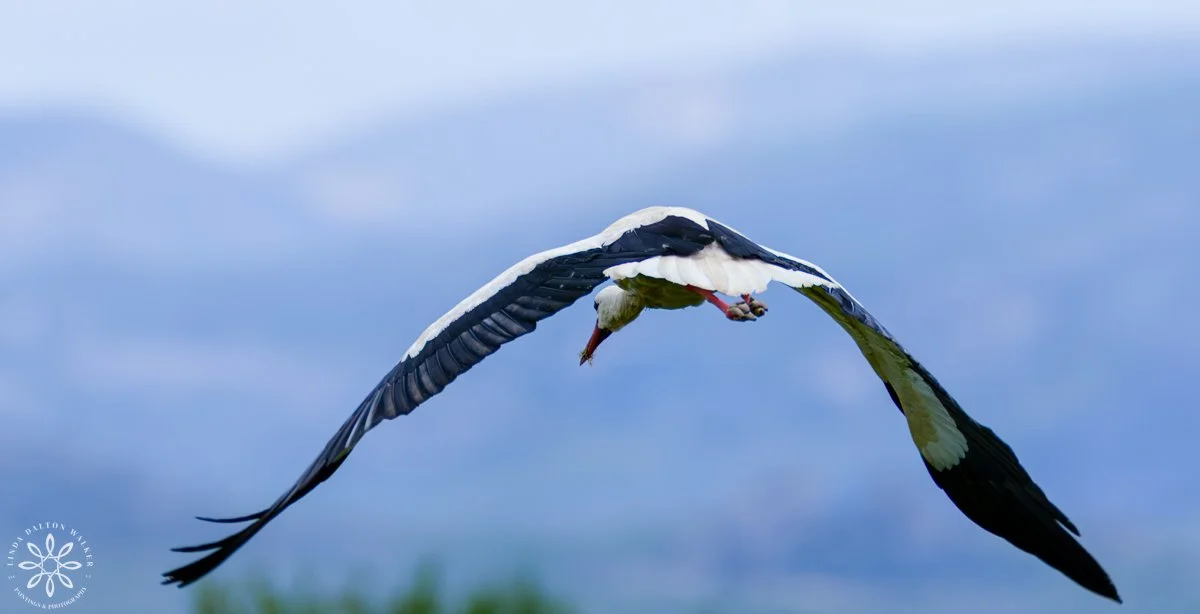
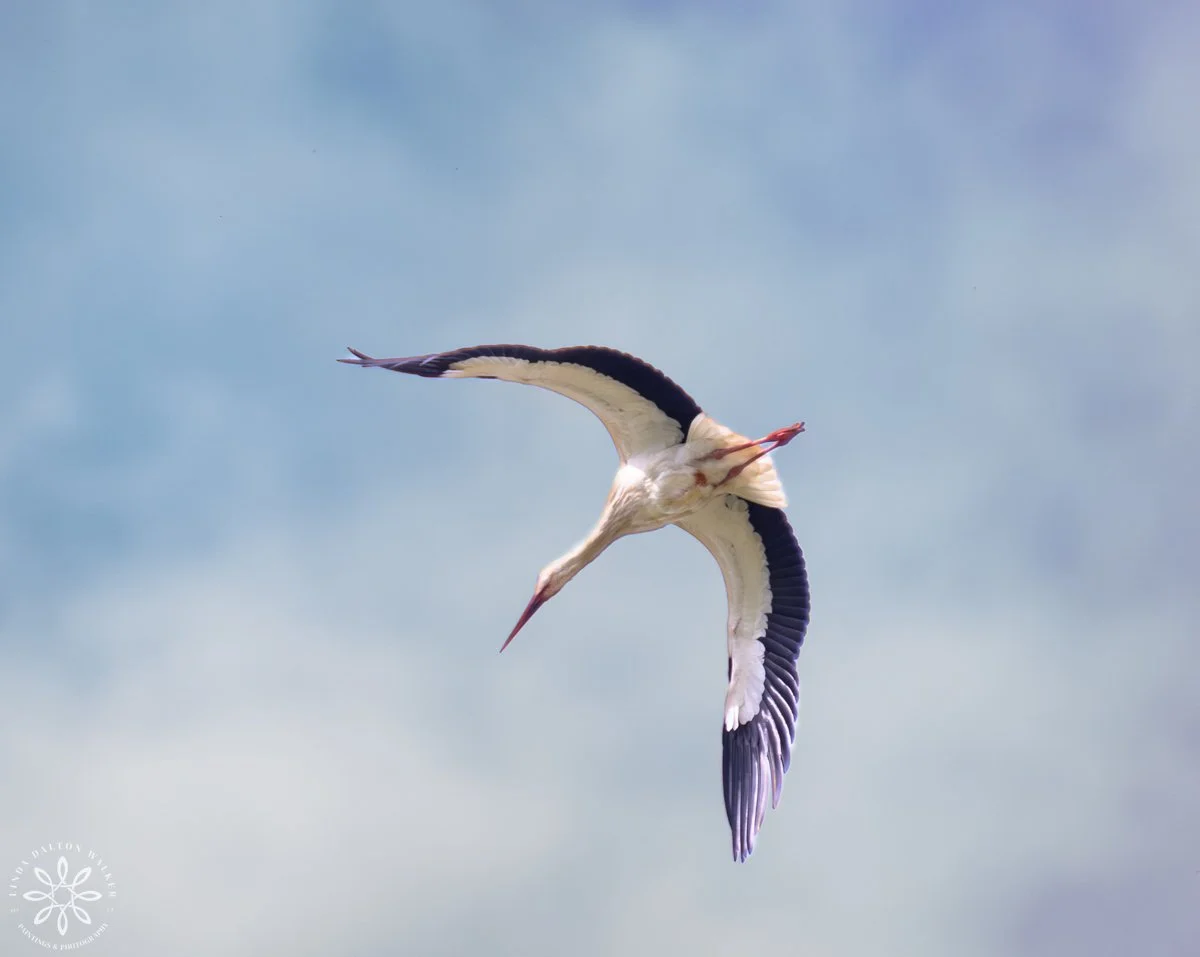
White Stork flying over Geloi Reserve
Why the Geloi Private Nature Reserve Was Established.
As we clambered out of the van to meet up with Angelo Scuderi, the Project Manager of the Geloi Wetlands, other photographers, and volunteers, the mosquitos began to swarm. We quickly lathered ourselves with repellant and started out on our hike. I was so glad that I had trained with my 25 lb. pack while I was back home, or I would have been suffering.
We heard many birds, but could spot only a few, alas we were a bit early for the spring migration - such is wildlife. However, we did come upon a White Stork nest, and set up our tripods to photograph them. It was a gorgeous morning with soft clouds dotting the skies and the storks flying around and a tiny little chick peeking its heads up to catch a glimpse of its parents.
I emailed the Geloi Reserve because after leaving this area, I had so many more questions I wanted to ask, and I heard back from Roman Mendelin. In my email I asked Roman what was happening that caused this preserve to be of importance and to be established?
He said, “You can find answers to this question and more info on our website. The area in Geloi has been of huge importance for a lot of wild animal species for hundreds of years. Especially migratory birds, which cross the Mediterranean Sea on their way South and North twice each year, used the area to rest from their tiring journey and regain strength from nutrition they could find in these wetlands. From around 1970 onwards, the area was used increasingly for agriculture (i. e. vegetable farming), drawing water from the wetland and using pesticides in the area for increased crop harvests. After years of exploitation, accompanied by global warming, consequences in the area were devastating: depleting groundwater reserves, pollution, severe droughts and in consequence wildfires, which in sum destroyed the soil and the habitat of a lot of wild animal species, including migratory birds. Additionally, animals are being hunted in Sicily by illegal poachers. Only the acquisition of land in the Geloi area made it possible to working on the problems and transforming the area sustainably back into what in once was: a place for animals to rest, breed and feed.”
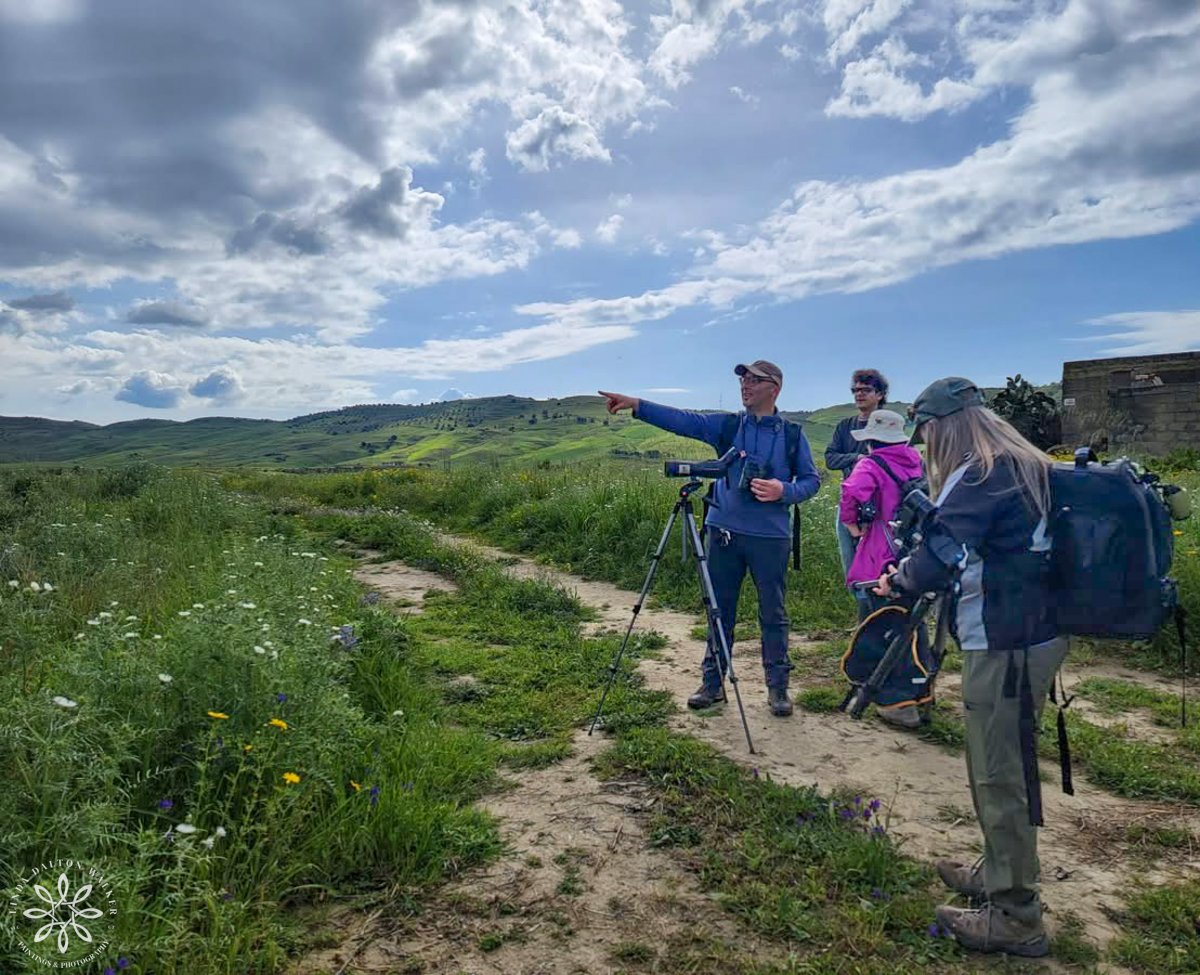
Photo credit: Tammy Stoner - Image at Geloi Reserve with Angelo Scuderi, a volunteer, Annie, and author/photographer Linda Dalton Walker (with back turned in gray)
What Are Geloi Nature Reserve’s Successes and Failures
Geloi Nature Reserve believes, “All wildlife and plant species are essential components of the natural ecological balance and thereby part of the basis of human existence. With each individual extinction, a component dies out and is irreparably lost. Extinction occurs quietly and slowly. …The extermination of unique flora and fauna species due to human activity is progressing at an alarming pace. At present, an animal or plant species dies out every 10 minutes - six species an hour - or more than 140 species in a single day!…”
I also asked Roman what successes and failures have they have met with, and this was his reply:
“One of our major achievements has been motivating the local community to support the project. At first, there was skepticism about why an NGO from Switzerland would want to protect birds in Sicily. People simply thought we were crazy. Now they see that we are persistent and understand the added value for their region. Nature enthusiasts come to visit the area and bring money into the region. Conventional farmers have switched to organic production, and restaurants offer «Pizza Geloi», made with ingredients – especially the flour (an old, unpatented variety) – sourced from sustainable crops in our area. There are frequent setbacks due to mafia-like activities, such as illegal dumping of trash, theft of tools, and arson in the summer.
In isolated cases, rare duck species are still occasionally poached in the area. However, thanks to ongoing improvements, biodiversity is steadily increasing, and this spurs us on, even though we operate in a very harsh environment in Southern Europe and nature conservation plays no role in mainstream society.”
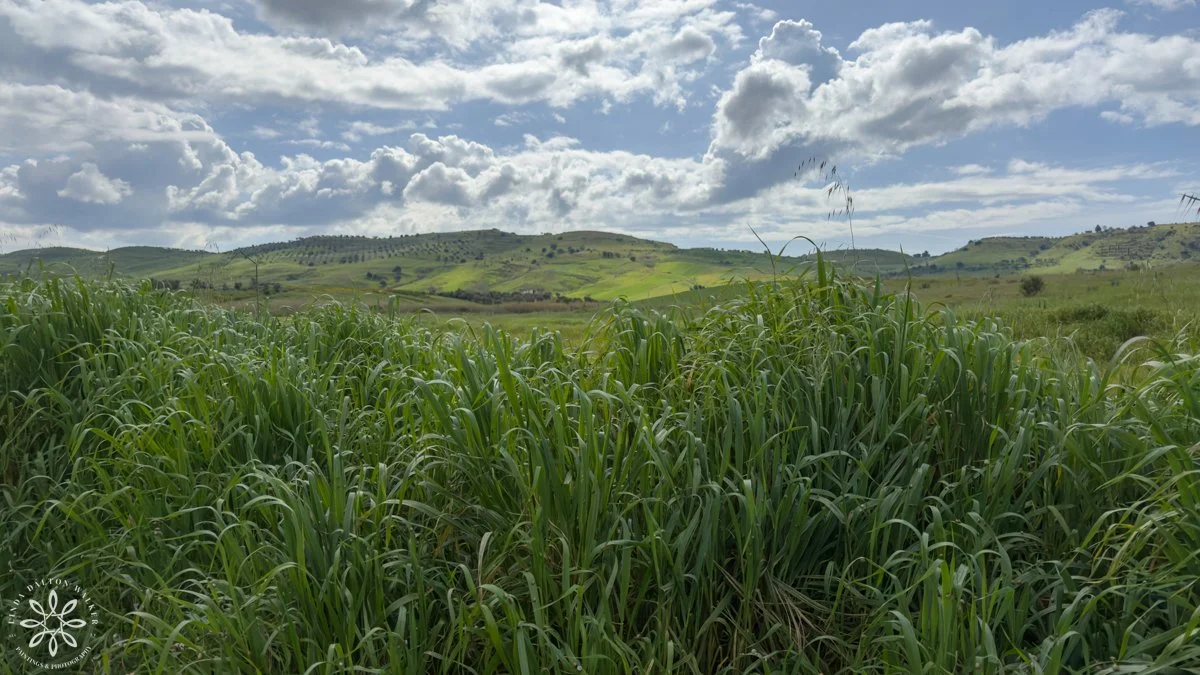
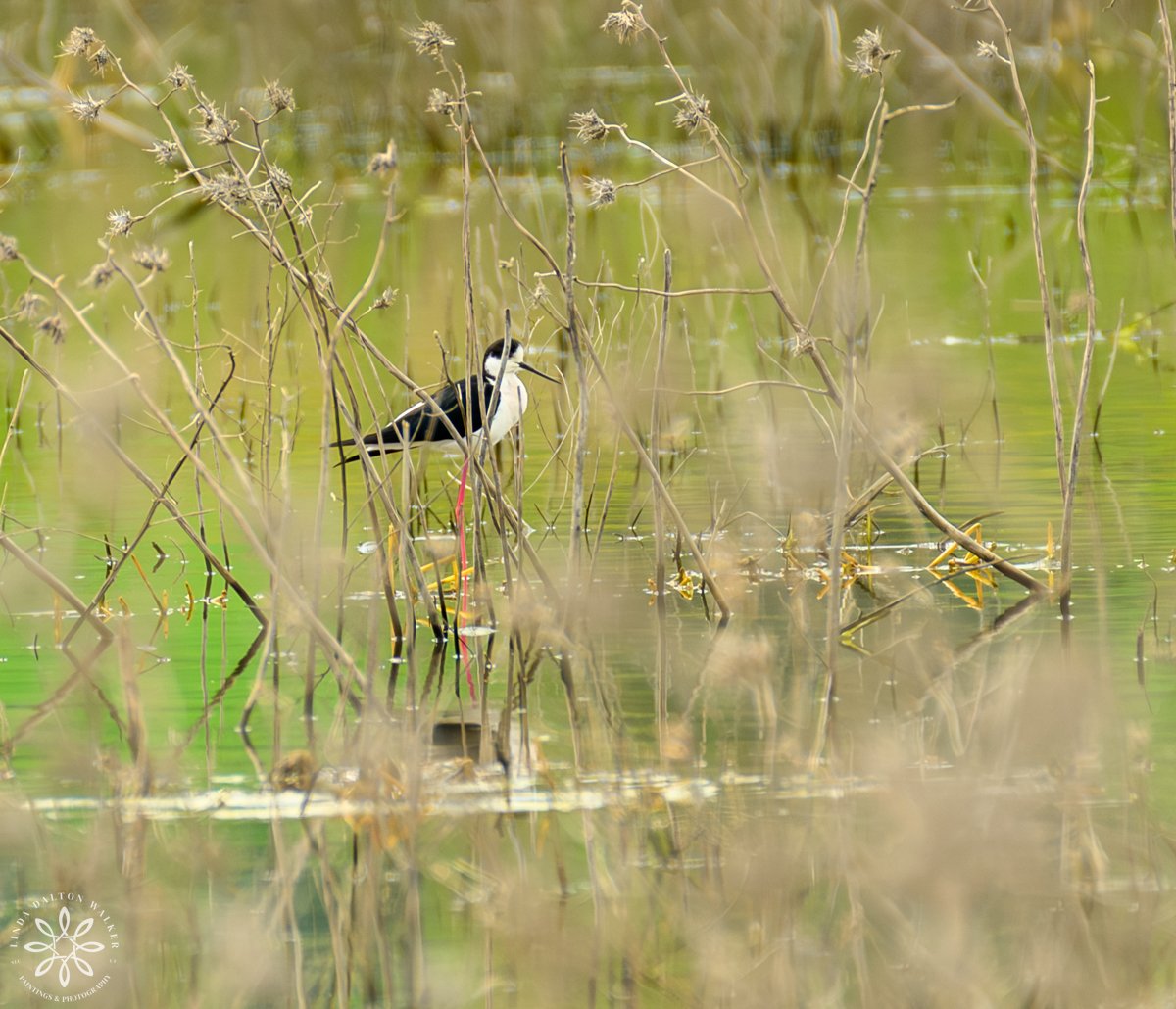
At one point in the marsh we heard thousands of frogs, and although we searched carefully, we couldn’t spot one of them. They are only ½” in size and must have incredible camouflage capabilities. I did get a photograph of a Black Winged Stilt far off in the marsh.
Where Does The Future Lie with the Geloi Wetland?
Roman stated, “Basically, we want to keep doing what we started: to ensure that the former Geloi wetland has an ecologically sound future, protected by us, through further land purchase subsidies, large-scale changes to the terrain and measures to improve the habitat. We want to continue our work in the area to bring back and conserve what is essential for the survival of the animals, which will ideally result in increasing abundance and diversity of species. We believe that unlike in many regions of the United States, climate change is already a much bigger issue in Southern and Central Europe. We are already demonstrating how important such wetlands are as climate regulators and how the diverse and native vegetation helps to store moisture in the region even during months-long dry periods. This benefits many wild animals, but also agriculture, as the soil remains fertile and allows us to continue producing healthy food in harmony with nature even under the most extreme conditions. We have known for a long time that water, as an increasingly scarce resource, will be the new «oil» of the future, and that the economic value of the area will also rise. This will help us further develop the area.”
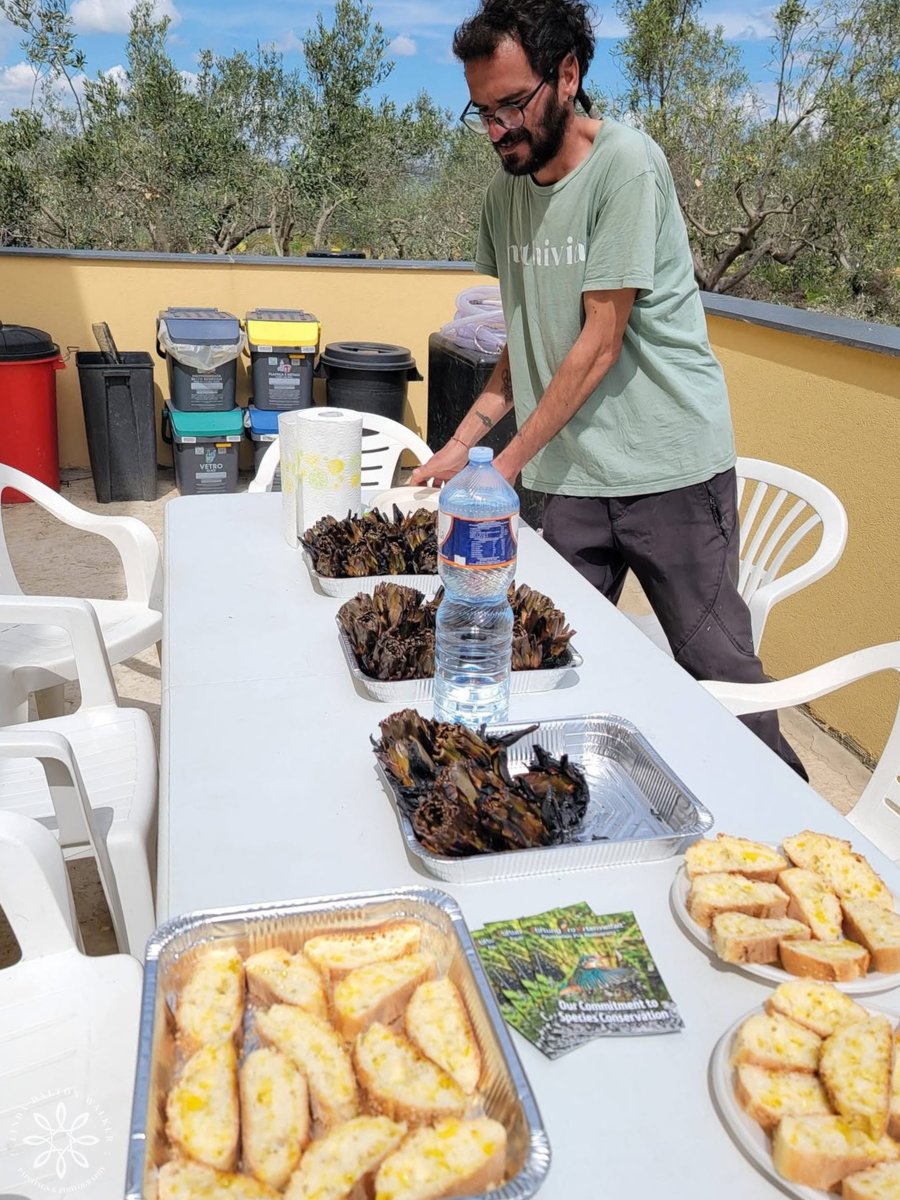
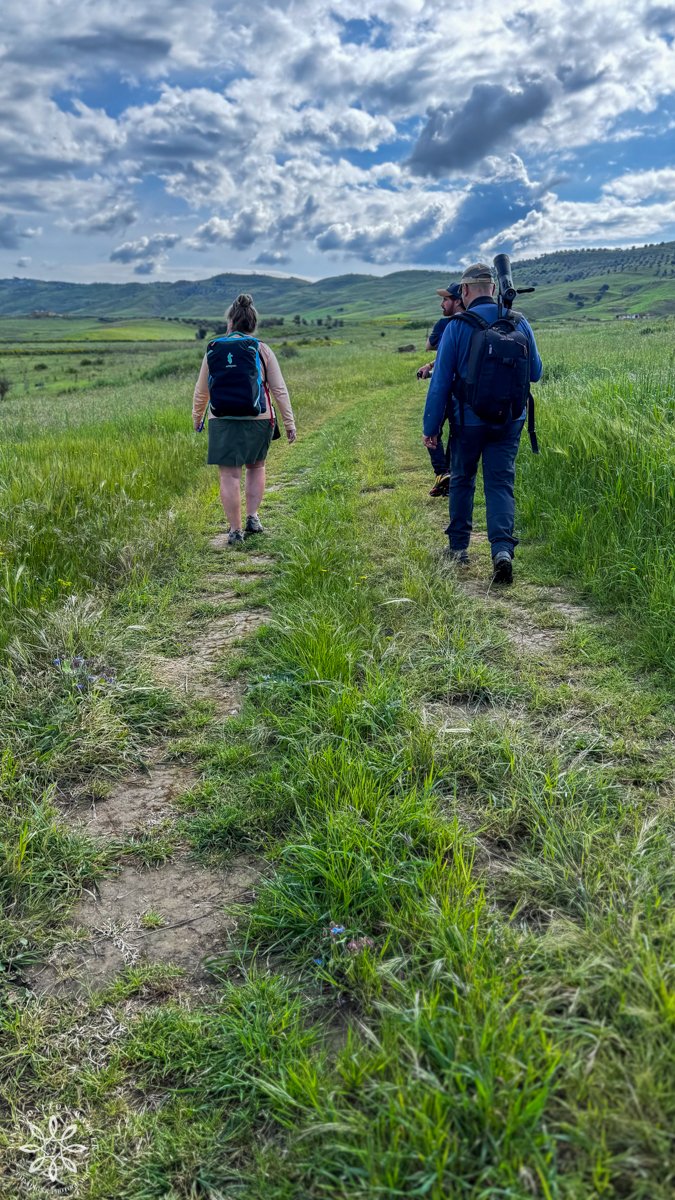
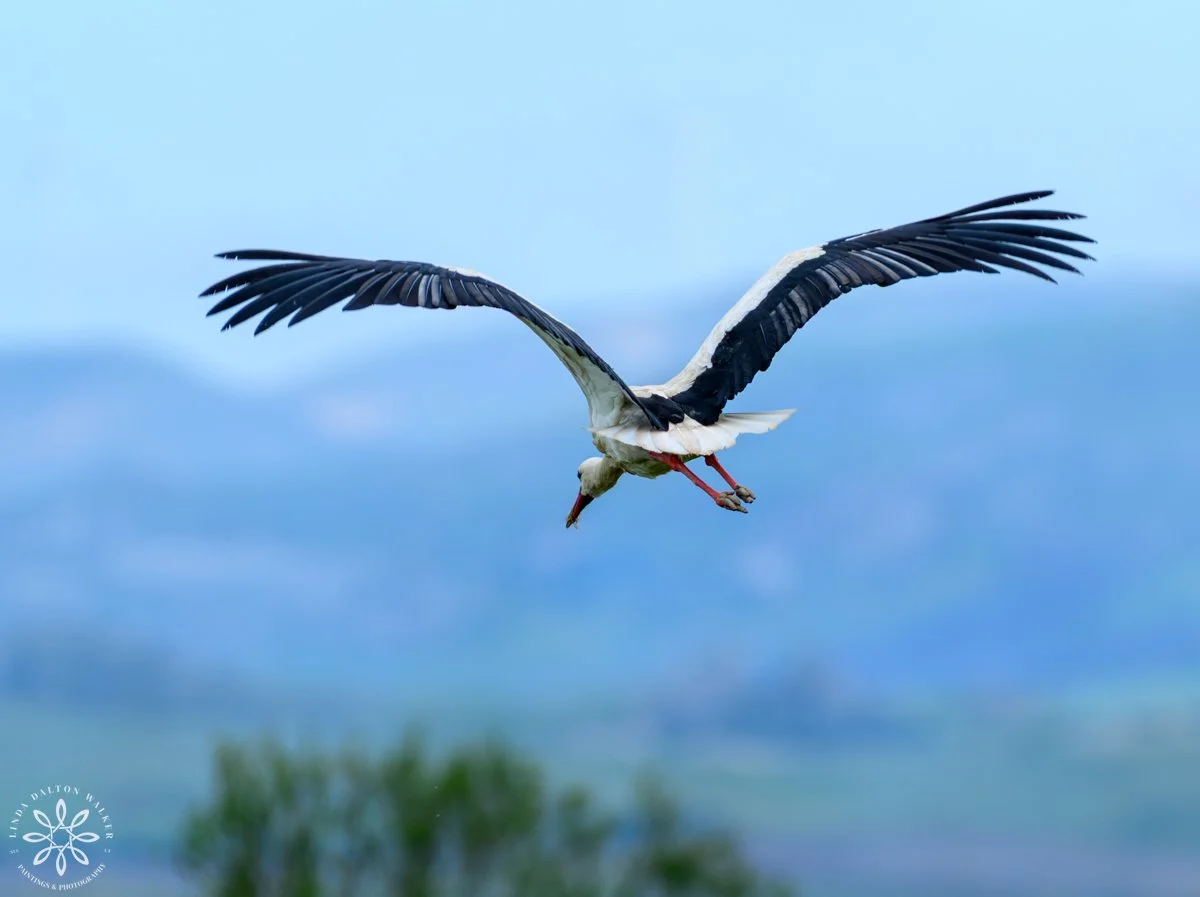
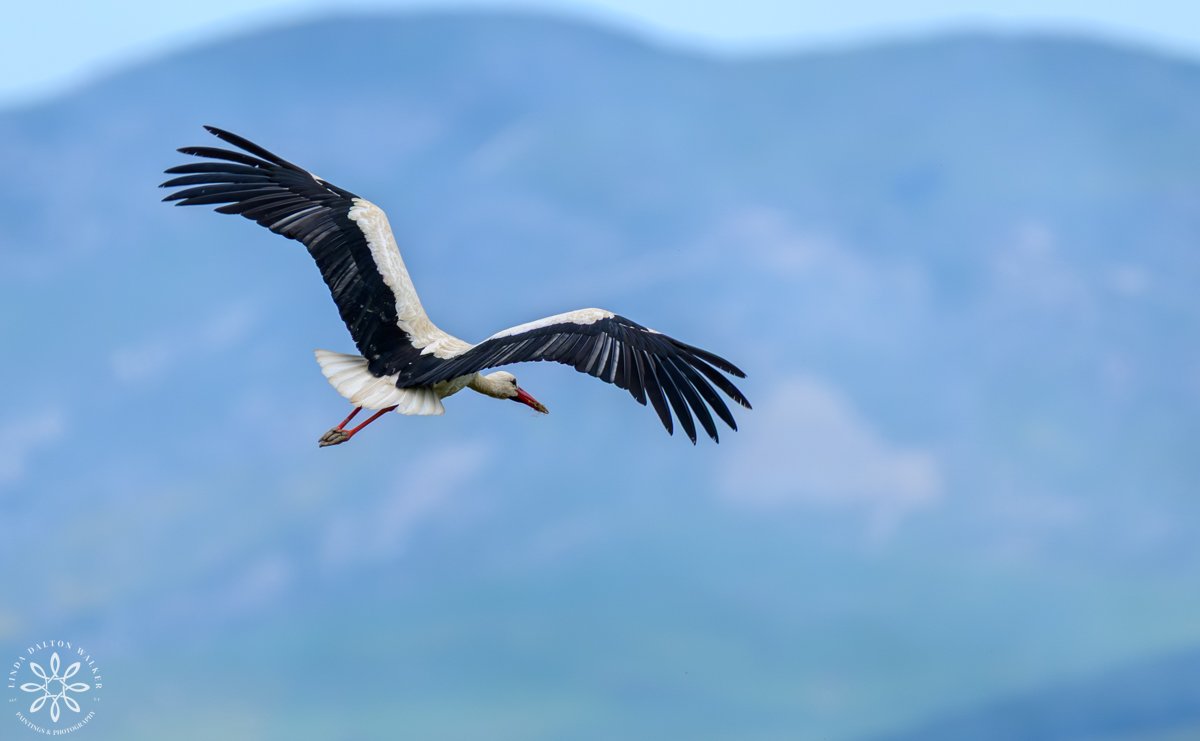
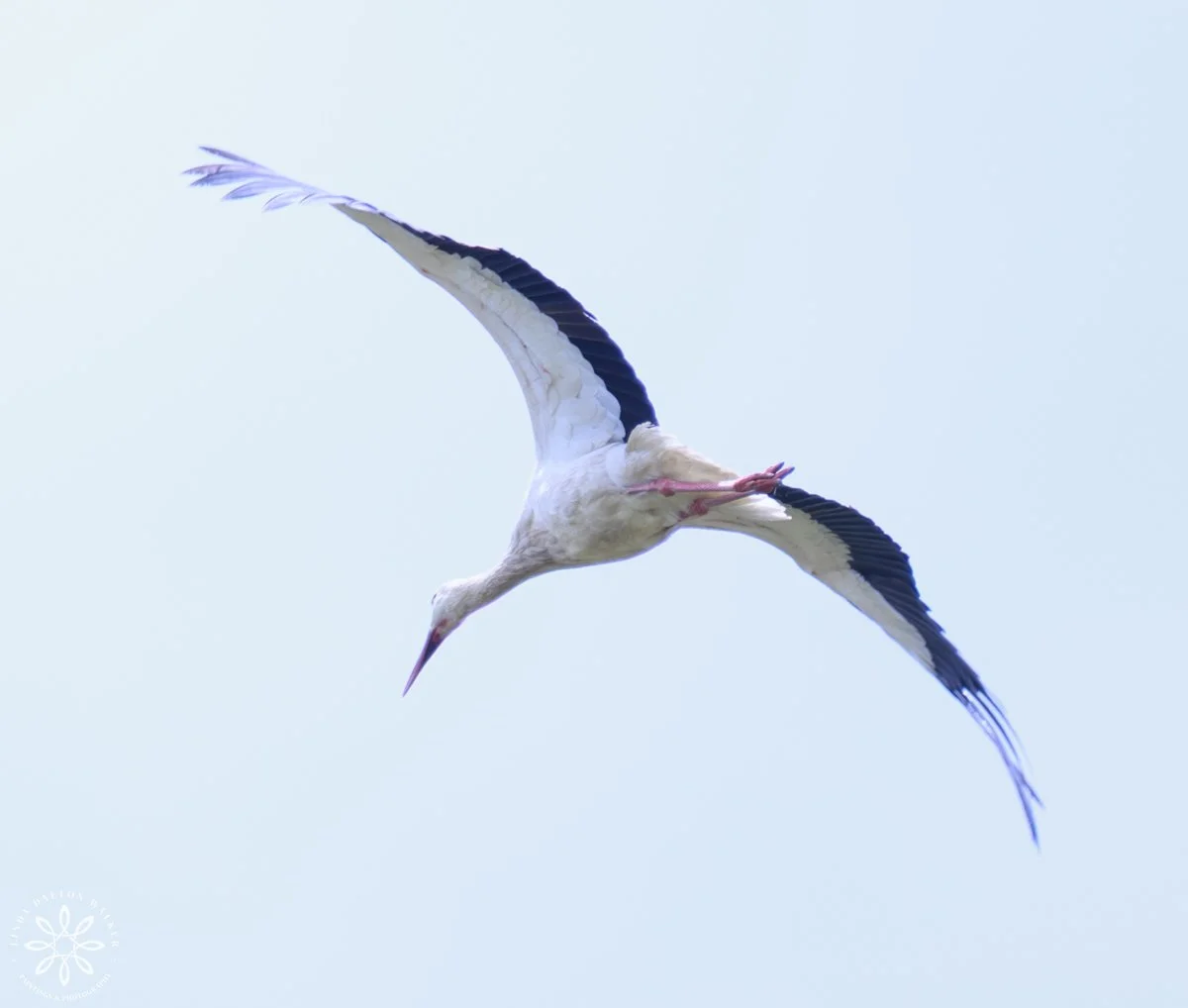
While we were walking back to our vehicle, another pair of storks were flying overhead, and I was able to photograph some more images of them. Back at the base camp, we were greeted with a light lunch of roasted artichokes and sourdough bread with olive oil. We were in heaven.
Artichoke image credit: Tammy Stoner.
Images - Our lunch and Sue, Gabrielle, and Angelo Scuderi walking through Geloi Reserve.
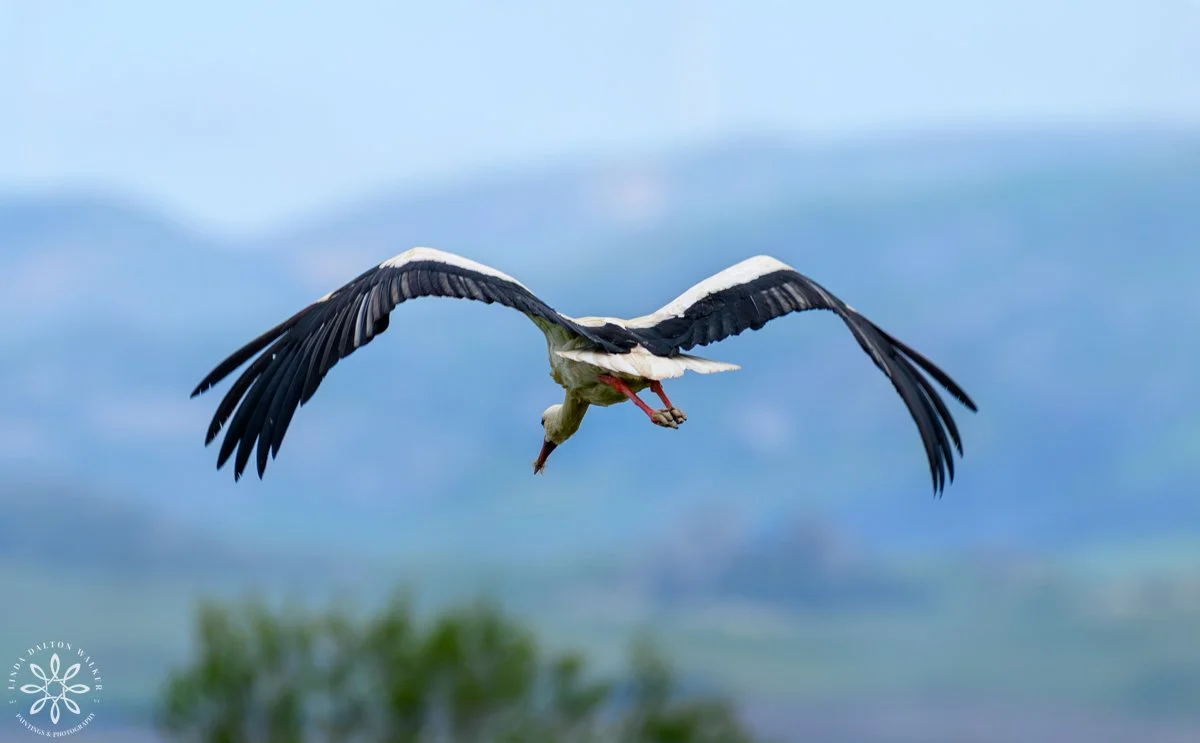
White Stork I photographed as it was heading back to its nest with one little one nestled in the branches.
White Stork Facts: Population, Migration, Habitat, and How They Stay Cool
Global population: is estimated at 700,000 - 704,000 individuals. These majestic birds can live up to 40 years who were extinct from the Sicily region until the 1950s and now has a thriving population of breeding pairs.
Migration route: They use the African Eurasian flyway, and migrate during the daytime. During their migration, they take the longer route to take advantage of the winds to reach their wintering grounds in the Sub-African region.
Habitat: open areas such as grasslands, wetlands, and agricultural fields. They actively seek the proximity of human settlements, favoring high points in the landscape like chimneys or electricity pylons. This sadly makes them susceptible to electrocution and collisions with power lines.
Staying cool: Please don’t try this, but to keep cool in the hot summer days, they poop on their legs.
Association: Because of their association with bringing babies to expecting parents, they symbolize joy and new beginnings.
How Does The Geloi Wetland Help The White Storks?
I asked Roman about the White Storks, and I was curious about how the preserve has helped them?
He stated, “By transforming the area back into a functioning ecosystem where animals like the White Stork can rest, breed and feed without being disturbed by human activities. You can imagine that in an area where there’s no or almost no water, degraded soils, wildfires and poaching, chances for survival of animals like the White Stork are not very high. In the absence of alternative areas for wild animals, it is essential to protect and preserve habitats like the Geloi Wetlands. By buying parts of the Geloi area, working on the landscape topography, planting trees and shrubs, and thus bringing back clean water and rich soils, we managed to reinstate important conditions that once made the area attractive for animals to visit and stay in the area.”
Are The White Storks New To The Geloi Wetlands?
I was also curious as to whether or not the Storks were new to the area, so I asked Roman about that.
He explained that, “White Storks in general are definitely not new to the region, as they have evidently been using the area for a very long time seasonally, before and after their migration over the Mediterranean Sea. The individuals you photographed have probably been there before as well, as White Storks visit the same nesting grounds (even the same exact spots, as long as they are available) basically all their life. However, the population has grown to about 40 breeding pairs, and there are no longer any illegal killings. In our immediate area, there are practically no incidents anymore thanks to safe nesting platforms. In the surrounding area, white storks occasionally suffer electric shocks from poorly insulated power poles. However, we regularly check these locations and have already been able to rescue several storks. Most of the time, they are only injured and not killed outright, but they must be taken to our rescue center in Messina in any case.”
What Are the Geloi Wetland Aims:
Preserve natural habitats
Implement concrete species conservation measures
Promote the interests of wildlife conservation in the form of exemplary action
Conduct educational, information, and public relations work
“Foundation Pro Biodiversity” who owns owns and manages the Geloi Wetlands, which is a private nature reserve, focuses on the following project priorities:
“Land acquisition in the Republic of Italy to secure and provide sustainable protection for migrating bird hotspots along the central European migration route and its defense against disturbances by the deployment of full-time and voluntary Bird Guards.
Construction of species conservation buildings of endangered structure-dwelling wildlife species.
Financial support and operational cooperation in the Committee Against Bird Slaughter bird protection camps along the south European bird migration routes in the Republic of Cyprus, North Cyprus, and Sardina.
Conduct the Foundation’s own bird protection camps on the south-eastern and southern coast of Sicily.
Financial support for privately run wildlife rescue centers for the rescue, emergency veterinary care, rehabilitation, and release of native wildlife species such as hedgehogs and common swifts.”
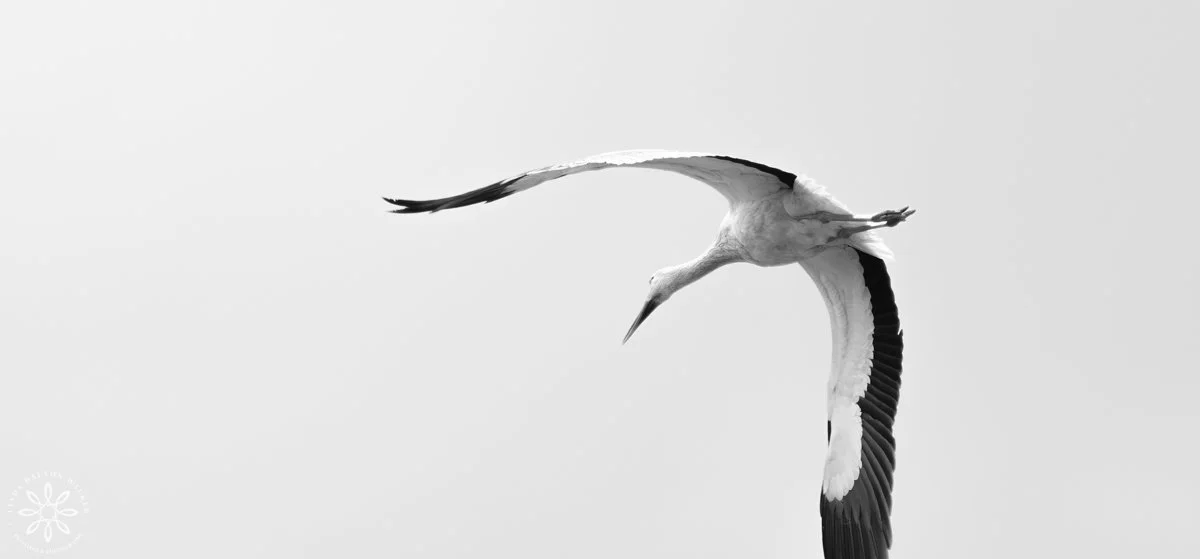
White Stork in black and White.
How You Can Help Support the Geloi Private Nature Reserve
Roman concluded by stating, “Donations are a great help to us during this initial phase of development, enabling us to continue our work in the region. Our foundation relies exclusively on funds from private donors, and we use these donations to carry out projects like this one in Geloi. Therefore, it is always helpful for us when we receive positive publicity and our visibility increases. In the future, we hope the area will become as self-sustaining as possible through visitors, overnight stays at our «Casa Geloi» and the sale of local products.
We also greatly appreciate the help of volunteers with planting projects and fire prevention measures in the summer.
Furthermore, we want to serve as a model for others to follow. In Europe and the U.S., over 90% of the original wetlands have been destroyed or degraded, and we should all work together to restore them as quickly as possible. It is truly important to raise public awareness of this issue – and nature photographers can make a significant contribution to that effort with capturing and sharing the beauty of these areas.”
You can donate to their operations here: Link
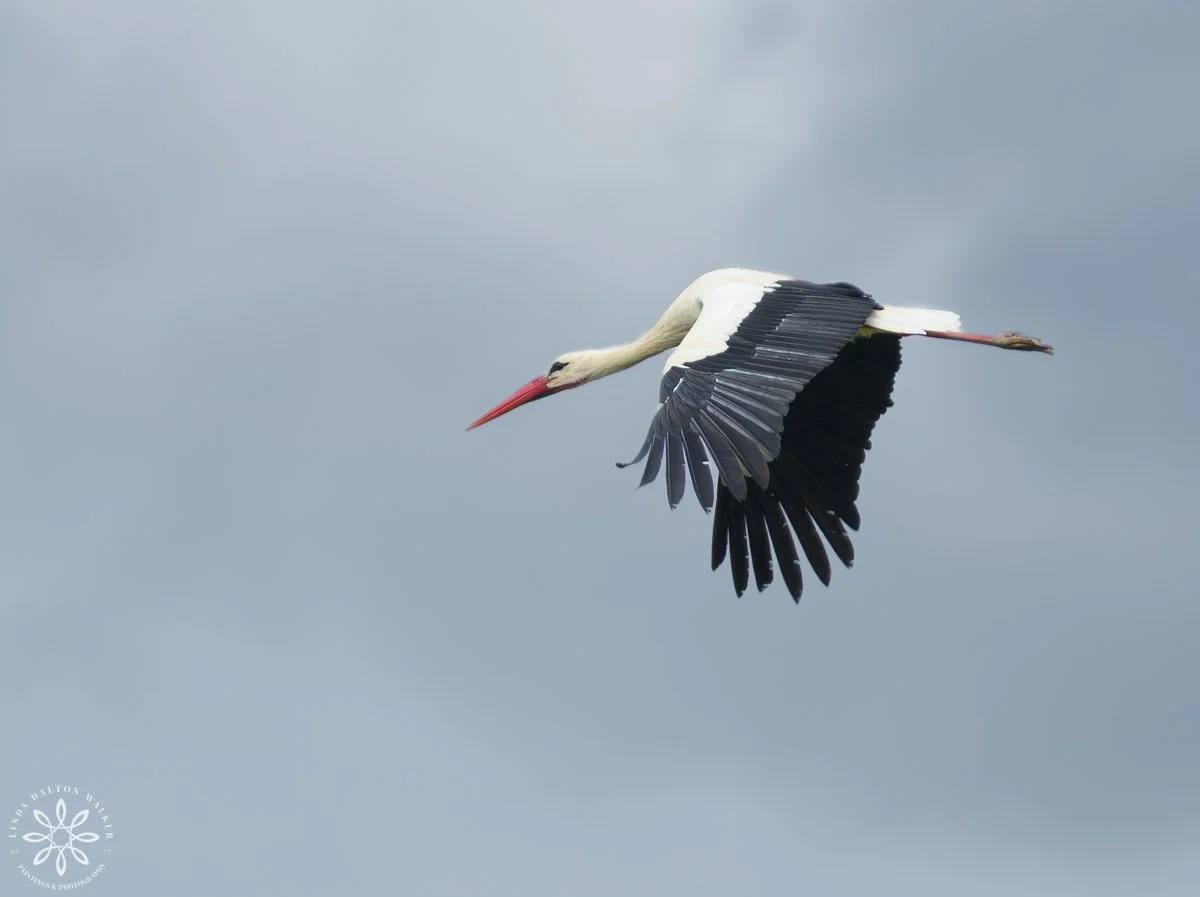
White stork flying over Geloi Reserve
FAQS
Where and when can you see White Storks in Sicily, Italy?
The largest population of White Storks can be found at the Geloi Wetland in southern and eastern Sicily. Reservations are required to visit this wetland and needs to be taken care of in advance. Check their website for more details.
Spring through summer is the best time to see these Storks, typically from late March through September. Sicily serves as a stopover point as these birds migrate from Sub-Saharan Africa over a minor European Flyway.
Why do the storks nest on high locations?
The White Storks nest on high locations to help protect their eggs and chicks from ground-dwelling predators, however they still need to keep a watchful eye on birds of prey. The high location also helps them with spotting approaching danger as well as maintaining a vantage point for hunting. Additionally, these large birds need a wide open clearance for their takeoffs and landing. The high locations of their nests also helps them catch cool breezes which can be important in the hot summers of Sicily.
Are the White Storks endangered?
Currently the White Storks are not listed as endangered with a worldwide population of 700,000 - 704,000 individuals and a life expectancy of up to 40 years. However, white storks occasionally suffer electric shocks from poorly insulated power poles. These areas are often checked by Geloi Wetland staff who take the injured bird to a rescue center in Messina. The White Storks were extinct from Sicily, Italy until the 1950’s when reintroduction, wetland restoration such as in Geloi, and artificial nesting platforms were introduced.
Why is the Geloi Wetland so important?
Geloi Wetland was transformed from a destroyed wetland into a thriving ecosystem where animals want to visit and stay in the area. This change created a reserve where animals like the White Stork can rest, breed, and feed without being disturbed by human activities. In the absence of alternative areas for wild animals, it is essential to protect and preserve habitats like the Geloi Wetlands. The administrators use donations to buy land, work on the landscape topography, plant trees and shrubs, which in turn helps bring back clean water and rich soil.
Can I purchase a fine art photograph of a White Stork in Sicily?
Yes, wildlife photographer Linda Dalton Walker captured several images of the White Storks while visiting the Geloi wetland. Fine prints are available for commission, and are not yet listed on her website. Contact Linda directly through her contact page Link, to inquire about specific images or sequences from the trip. If you enjoyed this blog, be sure to check out her blog about Greater Flamingos in Sicily, Italy. Link
Thank you for supporting my conservation efforts. Let’s do what we can to help save our amazing birds of the world. I can’t imagine a world without birds, let’s keep it that way.
Linda Dalton Walker
Image credit: Annie Barsky
ON THE BEACH
-Mary Oliver
On the beach, at dawn;
four small stones clearly
hugging each other.
How many kinds of love
might there be in the world
and how many formations might they make
And who am I ever
to imagine I could know
such a marvelous business?