
Photographing Glacier National Park: Storytelling Through Haze, High Winds, and Still Water
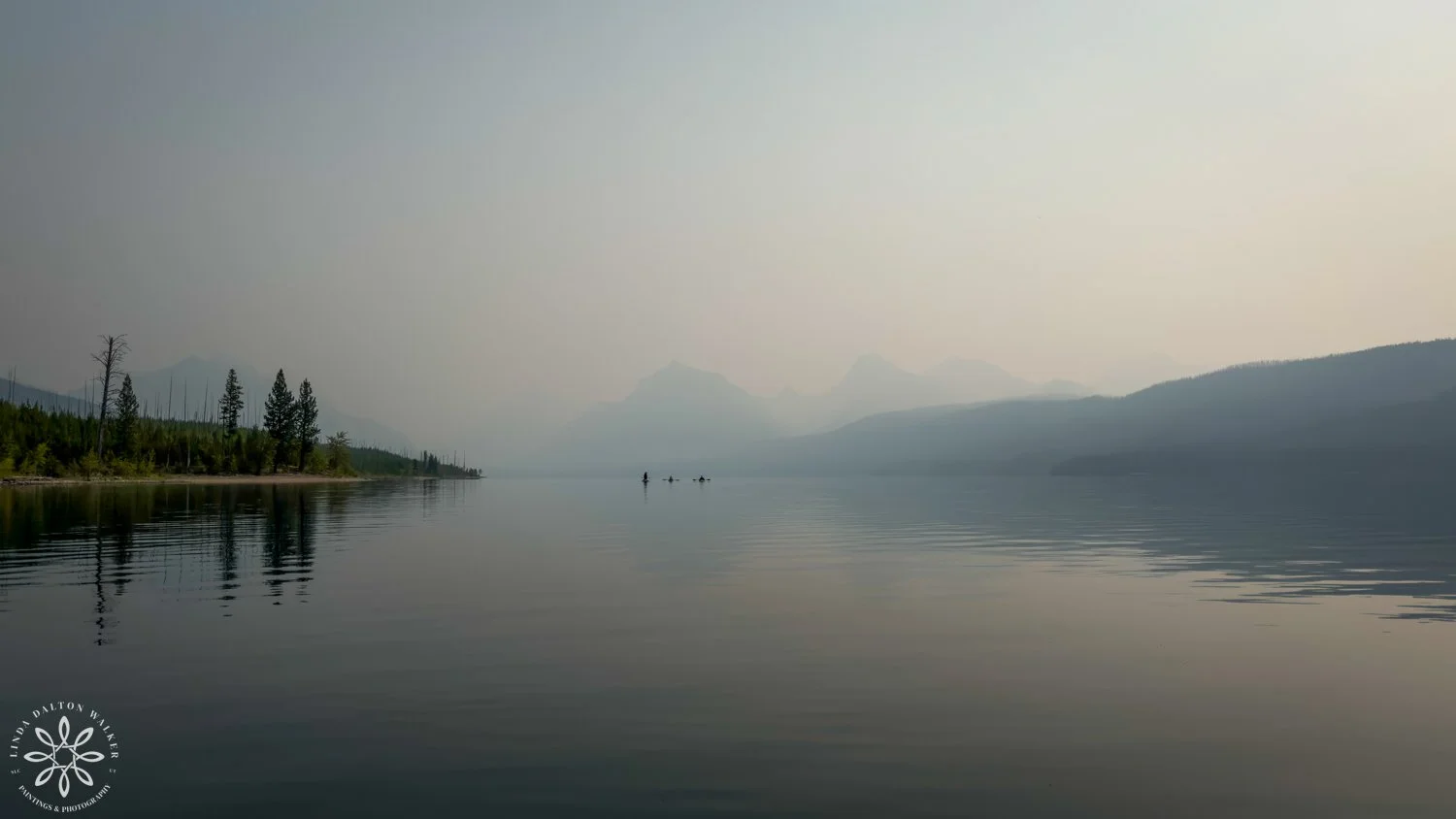
Kayaking | Lake McDonald
The Art of Adapting
This was my first trip to Glacier National Park, and like many photographers before me, I arrived brimming with hopeful ideas of the scenes I wanted to capture. As my traveling companion and I drove further north, however, the wildfire smoke intensified, painting the sky in a thick, hazy veil. A quiet sense of disappointment crept in, until I reminded myself of the nature of this craft.
Would I still have made the journey had I known about the smoke? Absolutely. Securing camping in a park as popular as Glacier is no easy feat, and I wasn't about to miss the opportunity to adapt.
Having spent most of my life behind the lens, I know that flexibility isn't just a helpful trait for a nature photographer, it is an absolute requirement. Light changes, weather shifts, and wildlife moves on its own terms. While the summer crowds were heavy and at times overwhelming, going with the flow allowed me to look past my original expectations and discover a quieter, more intimate beauty hidden within the haze.
Cliffside Encounters: The Mountain Goats of Going-to-the-Sun
Before any photographic journey, I research the region to understand what species I might encounter and how best to prepare. For this trip, the prospect of photographing mountain goats was high on my list. Yet as our journey neared its end, we had yet to spot them.
On our final day, I asked my friend to pull into a small parking area just below the Logan Pass visitor center. Parking there carries a strict 30-minute limit, and my friend was doubtful a space would open up, but luck was on our side, and a car pulled out just as we arrived.
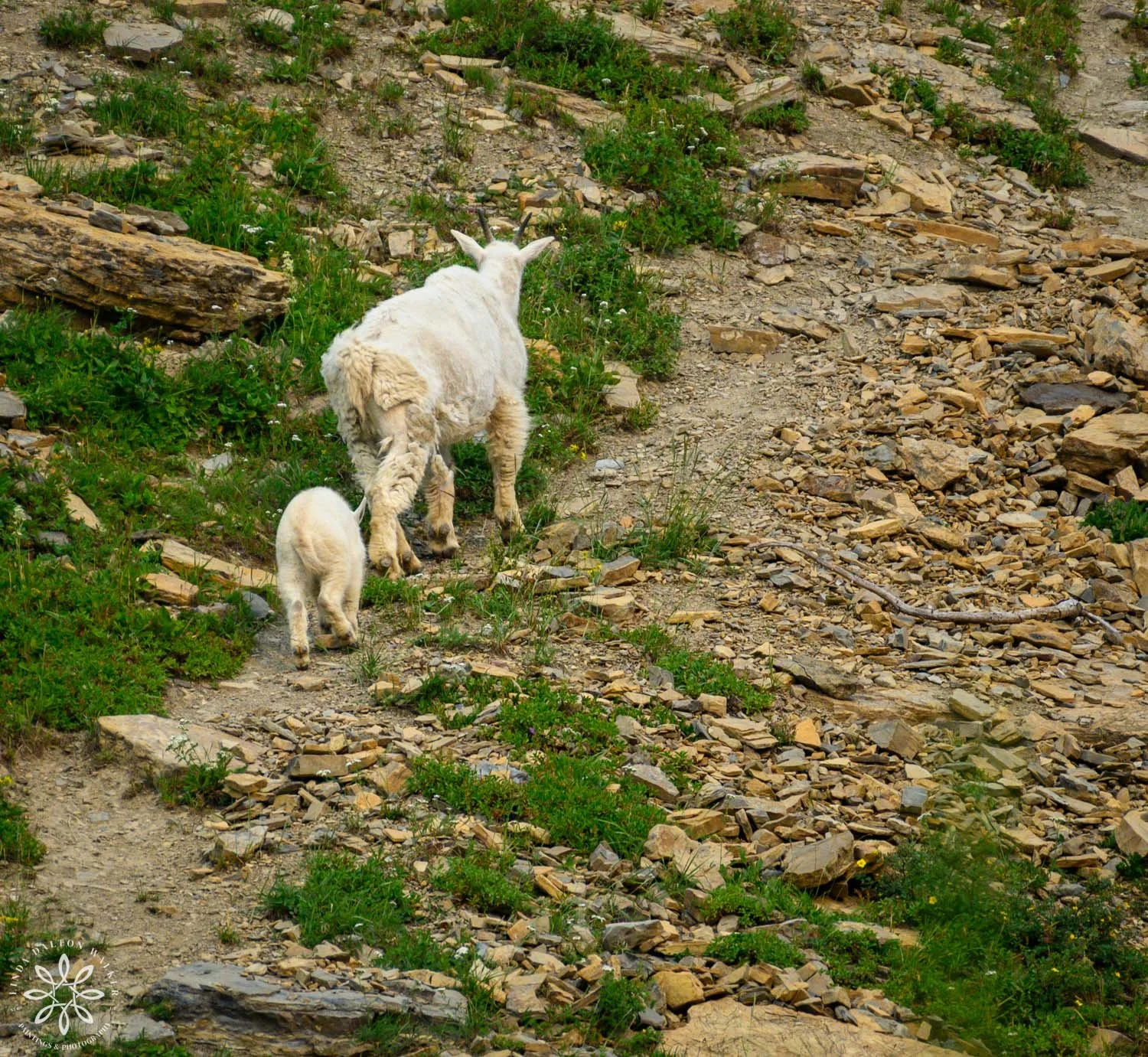
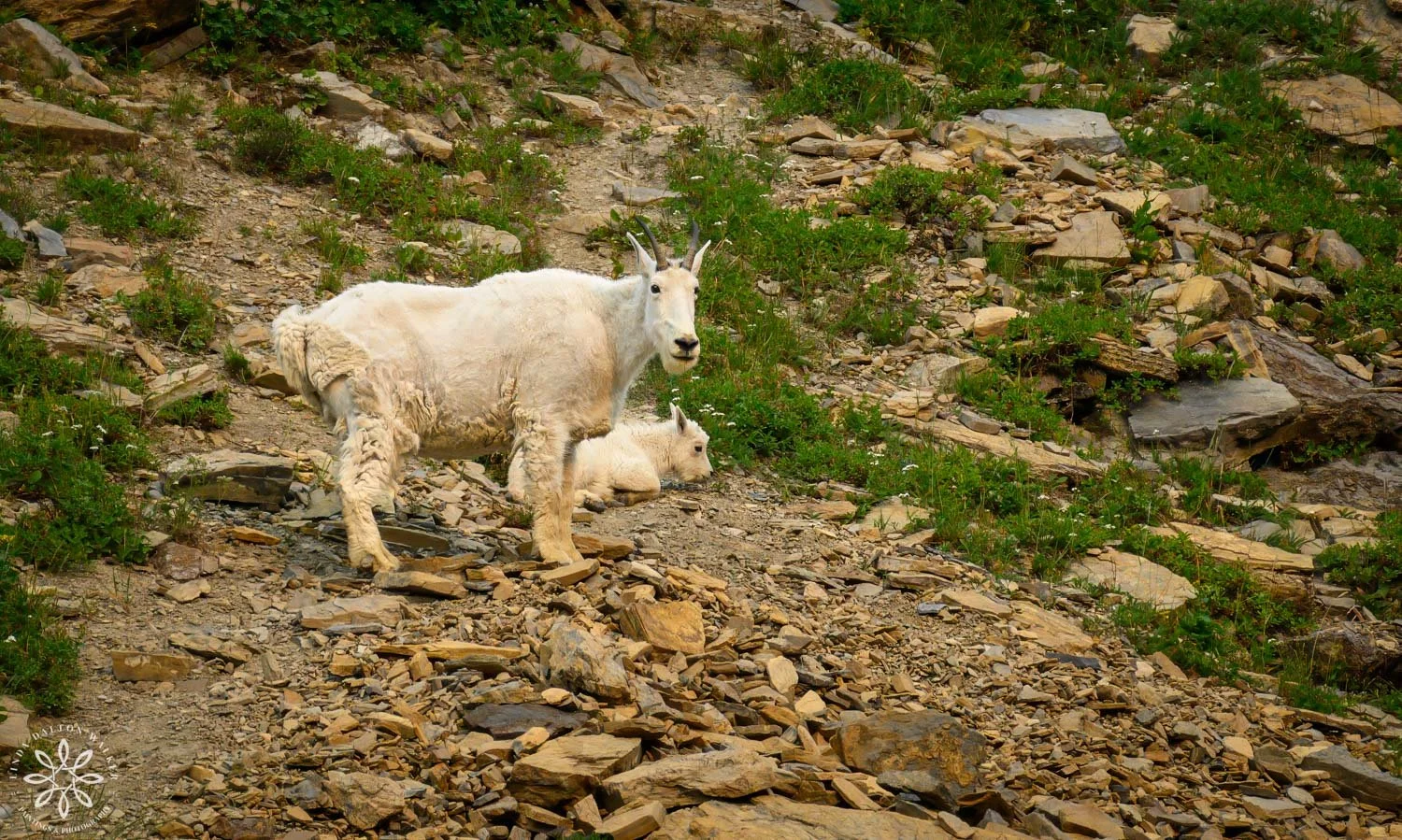
Throughout Glacier, I found fellow visitors to be exceptionally friendly, and this stop was no exception. The moment we stepped out of the truck, people were pointing toward a slope across the way. Looking through my binoculars, there they were: a mother mountain goat and her kid, stepping along a narrow dirt wildlife trail heading toward a patch of rocks.
With the fierce wind howling and the goats on the move, there was no time to dig my tripod out of the back of the truck. We hurried to the observation platform, and I improvised, resting my 500mm lens directly on my friend’s shoulder to steady the shot. I watched through the frame as the pair walked up the sunlit path and then abruptly settled down to rest just before the rocky outcrop.
Years ago, my only other encounter with mountain goats was from a boat in Alaska's Kenai Fjords, where they appeared as tiny specks high on distant cliffs. Here, the perspective was clear, intimate, and captivating. The smoky sky filtered the harsh light, casting a gentle softness over the golden hillside and creating a clean, painterly backdrop that allowed the mother and kid to take center stage.
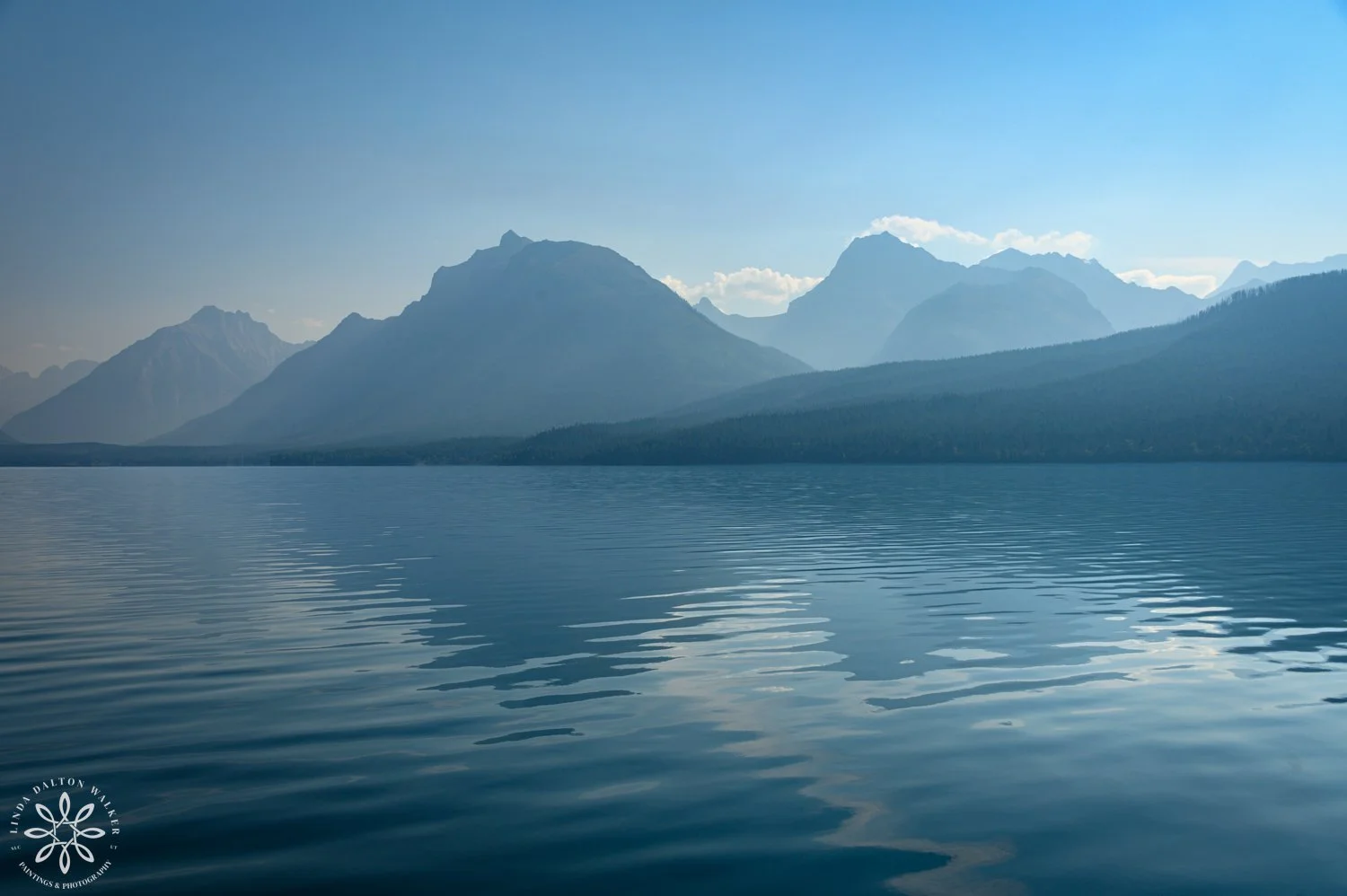
Early Morning | Lake McDonald
Silence on Lake McDonald: Smoke vs. Fog
Knowing ahead of time that parking at Logan Pass would likely be a struggle, my friend and I built alternative adventures into our itinerary. Through some research, I discovered we could rent kayaks and head out onto Lake McDonald. Being on the open water opens up an entirely new realm of photography, wildlife often feels far less bothered by a quiet boat than by foot traffic on a trail. Having recently spent 11 straight mornings kayaking while visiting my son in California, I was eager to get back on the water.
We rented a tandem kayak, and while we grumbled a bit during the half-mile haul down to the shoreline and back, the effort vanished the moment we hit the water. It was profoundly peaceful. Along the shore, Belted Kingfishers darted from branch to branch alongside Northern Flickers and a few small songbirds darting through the trees.
Out on the lake, the heavy wildfire smoke shrouded the distant mountains, transforming the early daylight into what looked like a quiet, fog-draped morning. As we paddled along, admiring the famous multi-colored stones beneath the clear water and keeping an eye out for wildlife, I spotted three kayakers floating together off in the distance.
They sat motionless, suspended in a sea of soft gray light where sky and water seamlessly merged. It created such a serene, timeless composition that I quickly reached for my camera to capture the scene. That impromptu frame became one of my absolute favorite images from the entire trip. Our three hours on the lake slipped by far too quickly, and leaving that quiet sanctuary behind was hard to do.
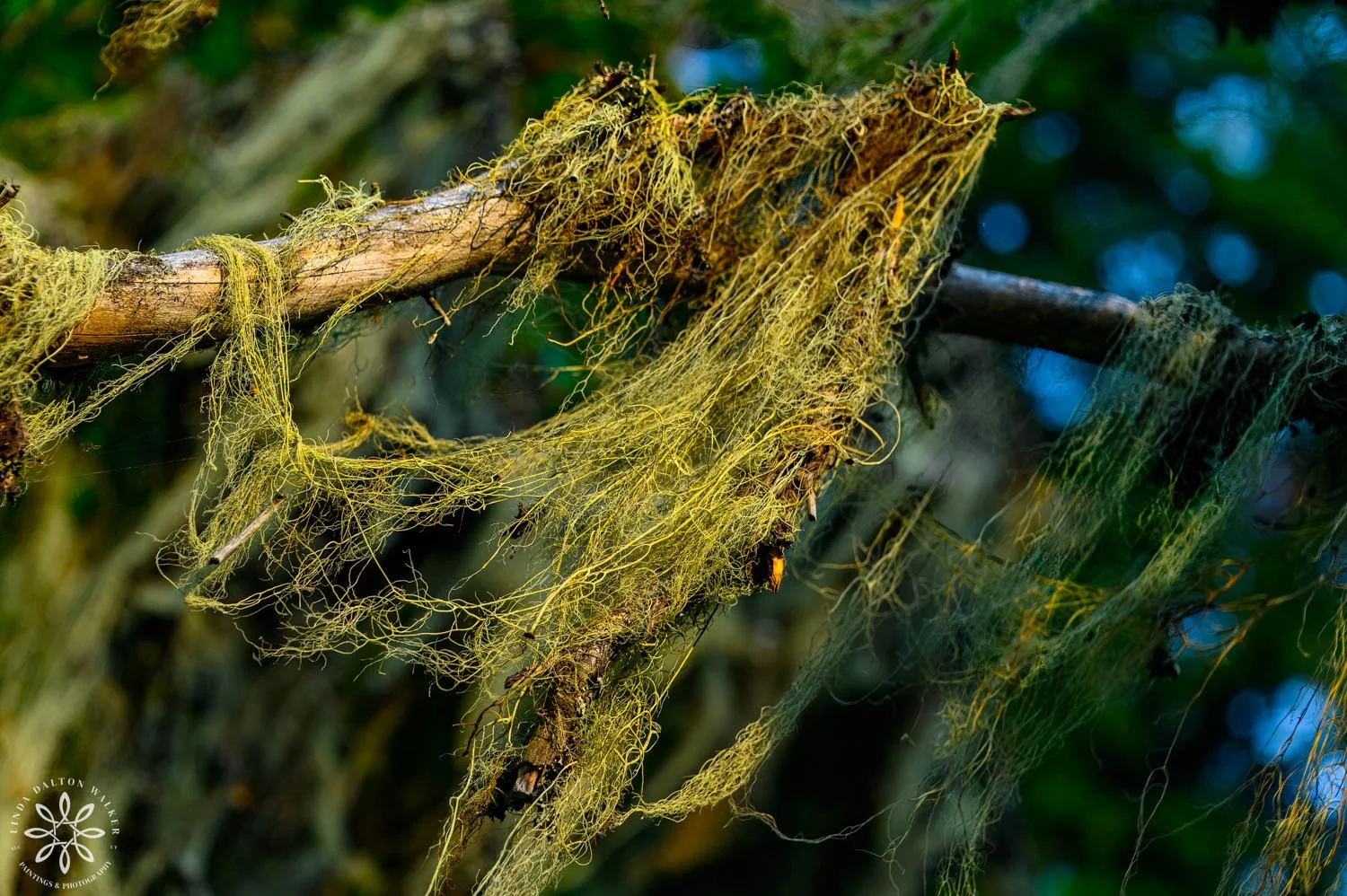
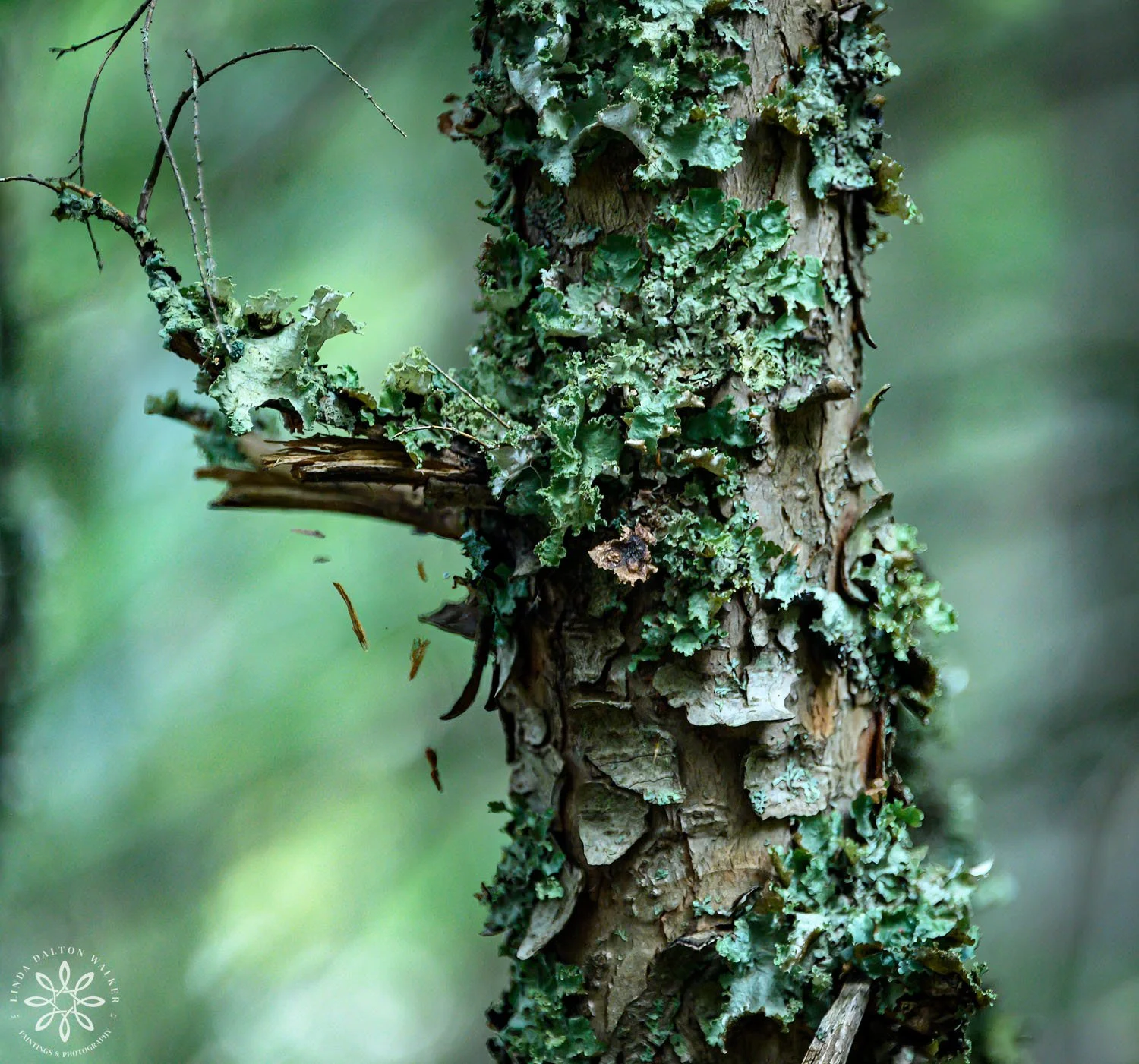
Mossy Textures
Finding Art in the Macro Details: Moss, Rocks, and Forest Textures
Growing up camping under the stars in Utah set a high bar for what I look for in a campsite. As a nature photographer, my search criteria are pretty non-negotiable: no electricity, generous space between sites, minimal vehicle noise, clean facilities, and, most importantly, direct access to trails with photographic potential.
That careful research led me straight to Avalanche Campground. Nestled deep on the west side of Glacier National Park, it placed both the Trail of the Cedars and the Avalanche Lake trailhead less than a mile from my tent.
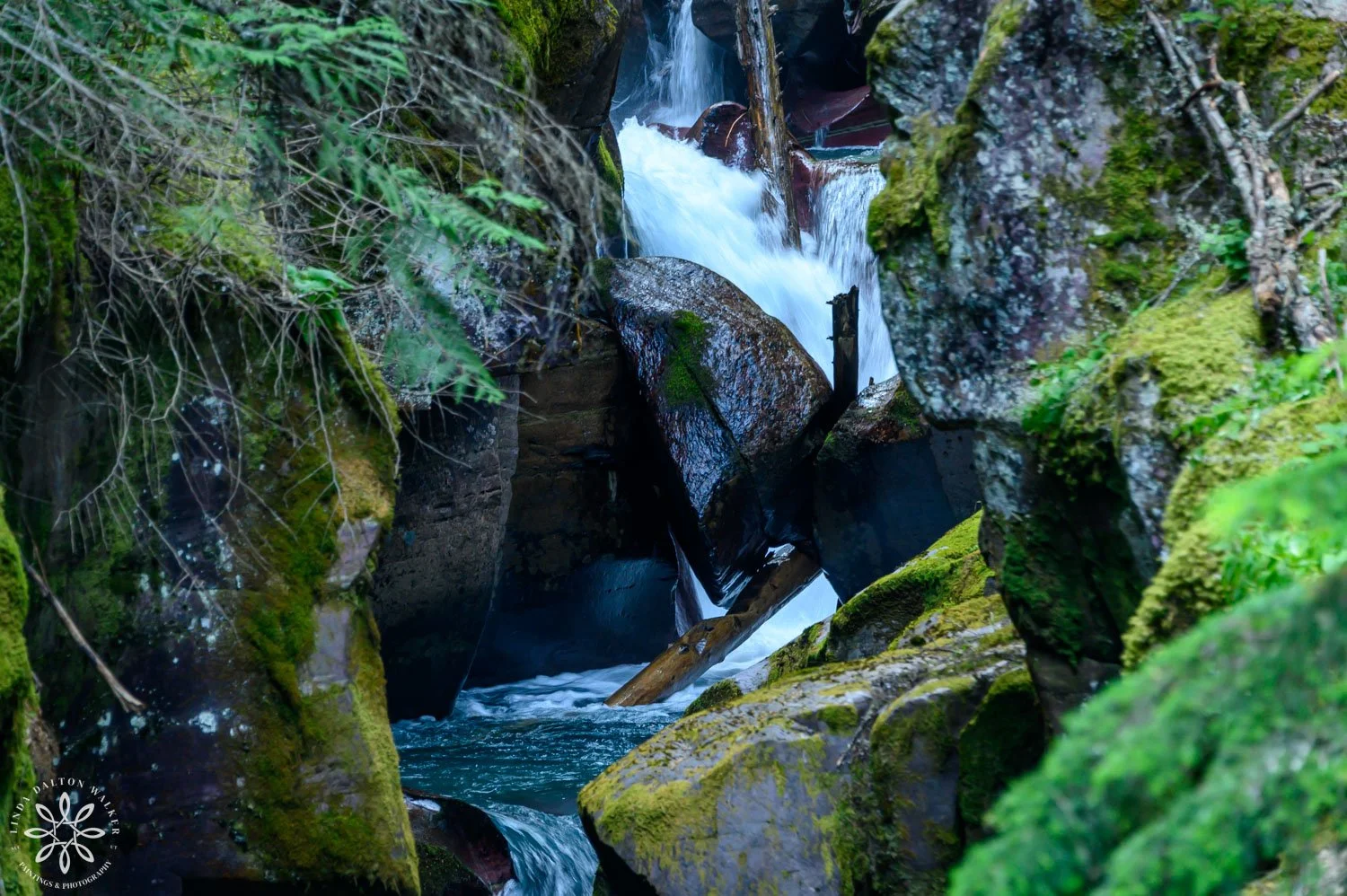
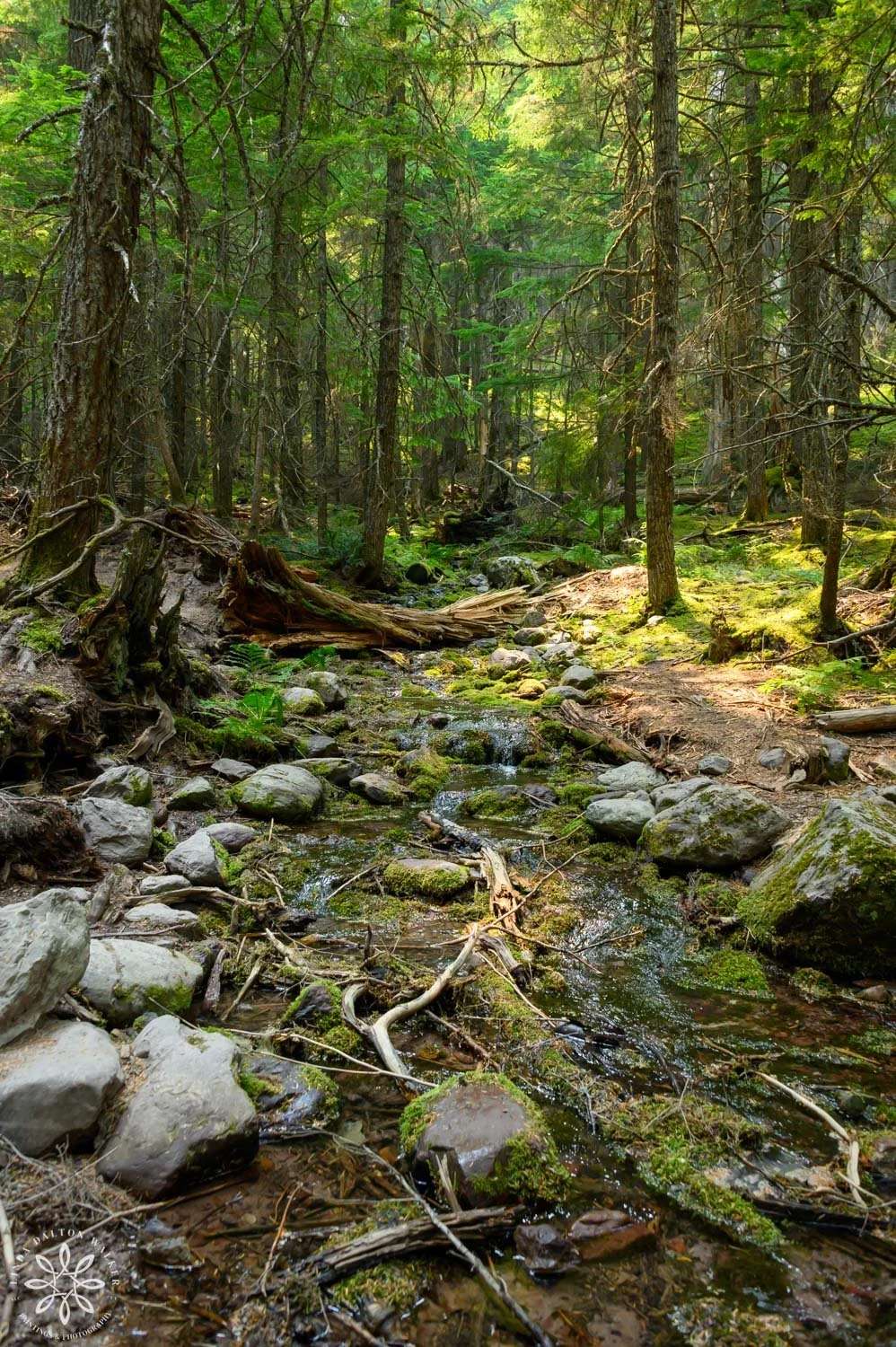
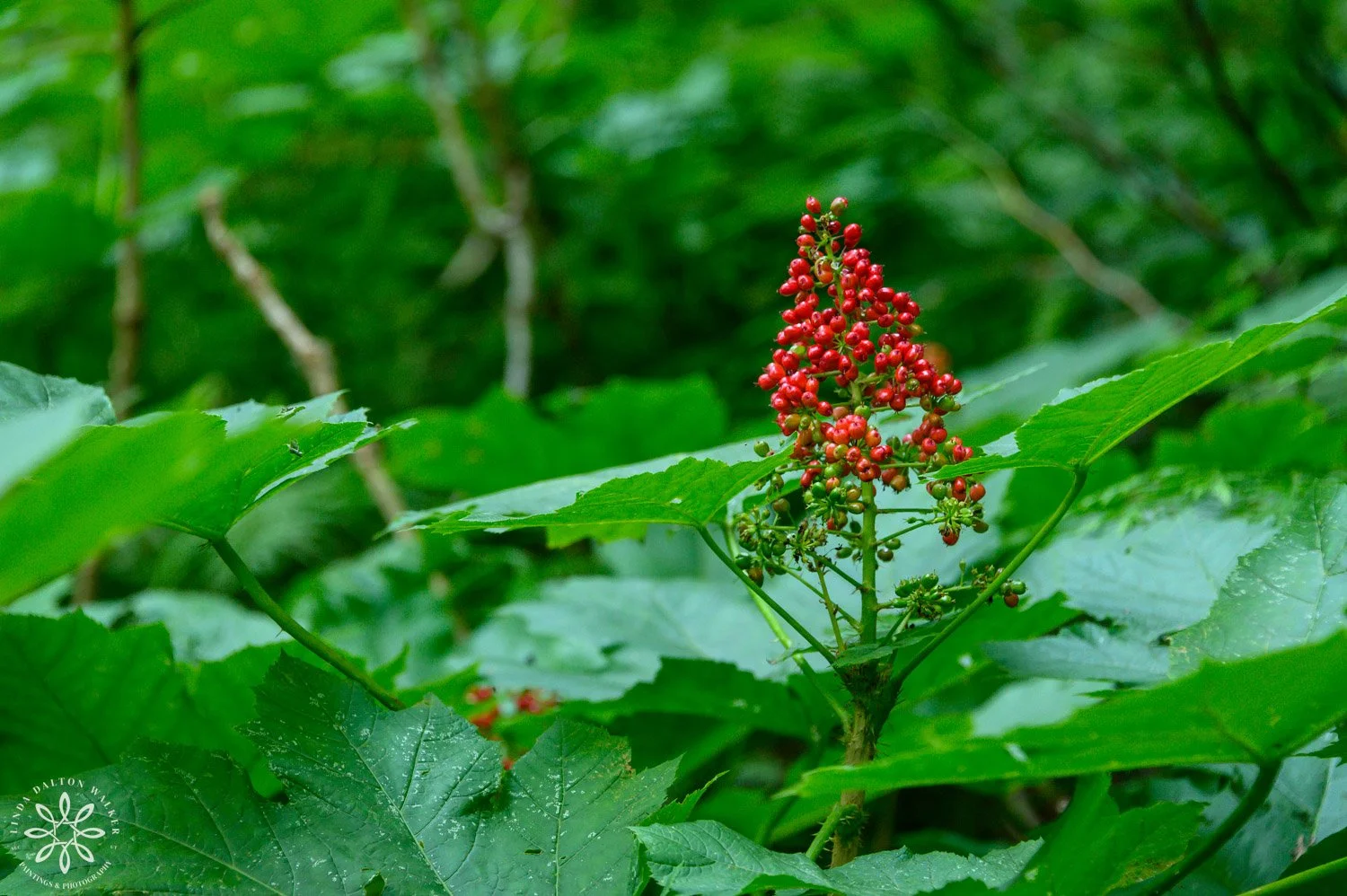
Knowing how busy these paths get, I rose early one morning to hit the Trail of the Cedars before the crowds arrived. Settling in with my tripod in the quiet dawn light, I captured the rushing cascades of the waterfall, rich mosses blanketing ancient cedar trunks, and intimate botanical life emerging from the deep forest floor. Later in the week, on the trail up to Avalanche Lake, I continued to look closer, focusing on delicate strands of lichen swaying from branches and wild mountain flora along the path.
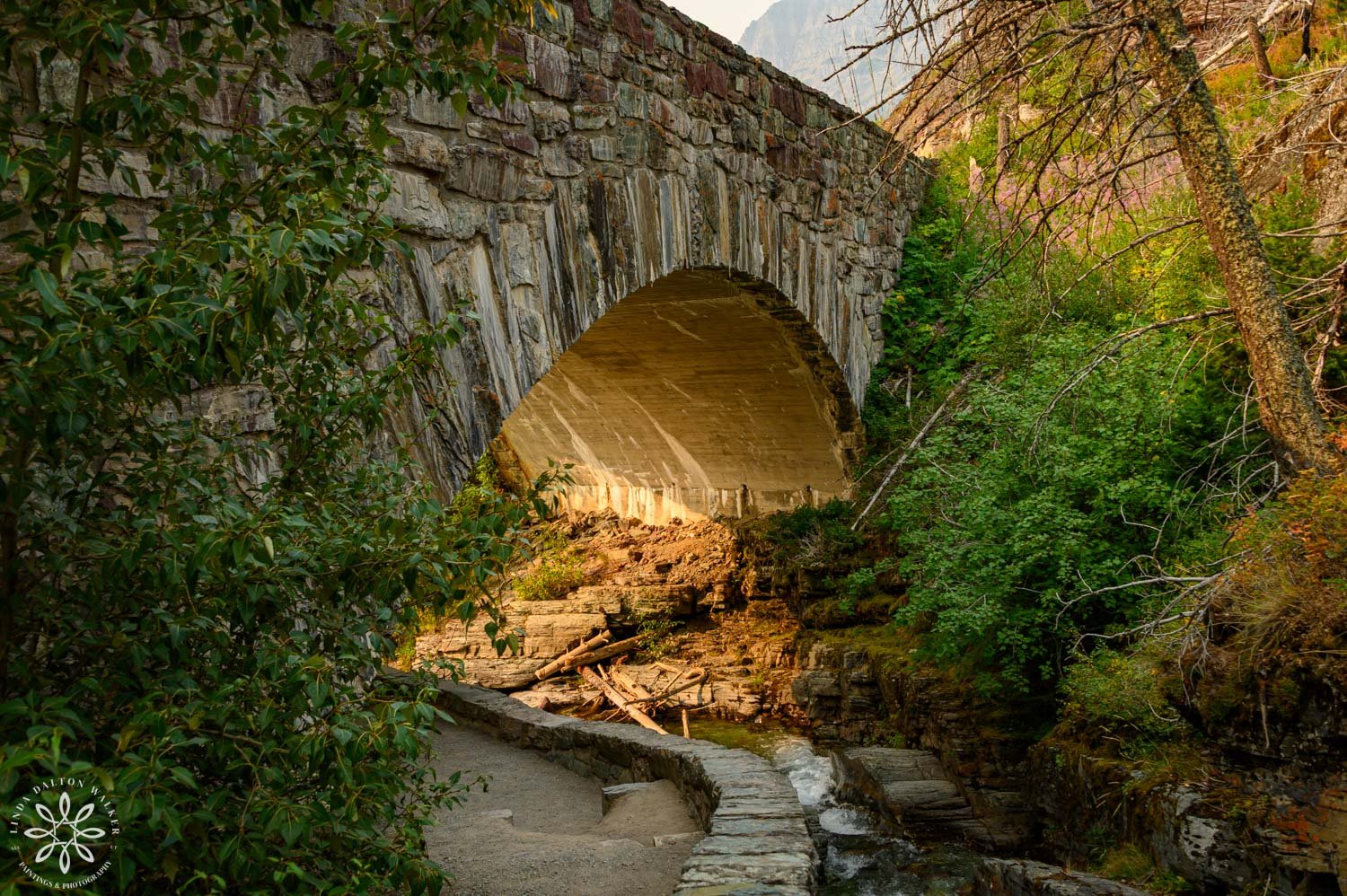
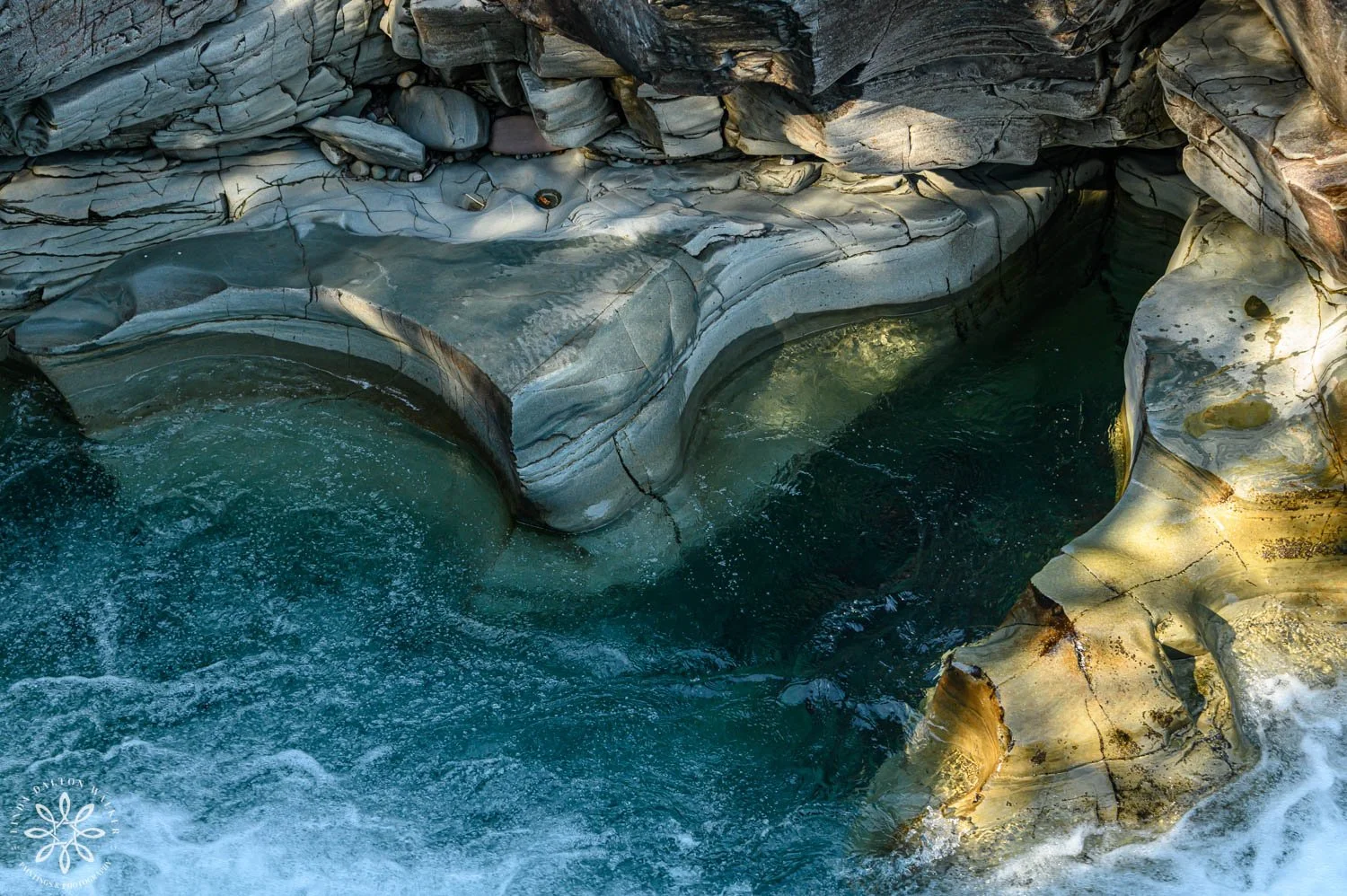
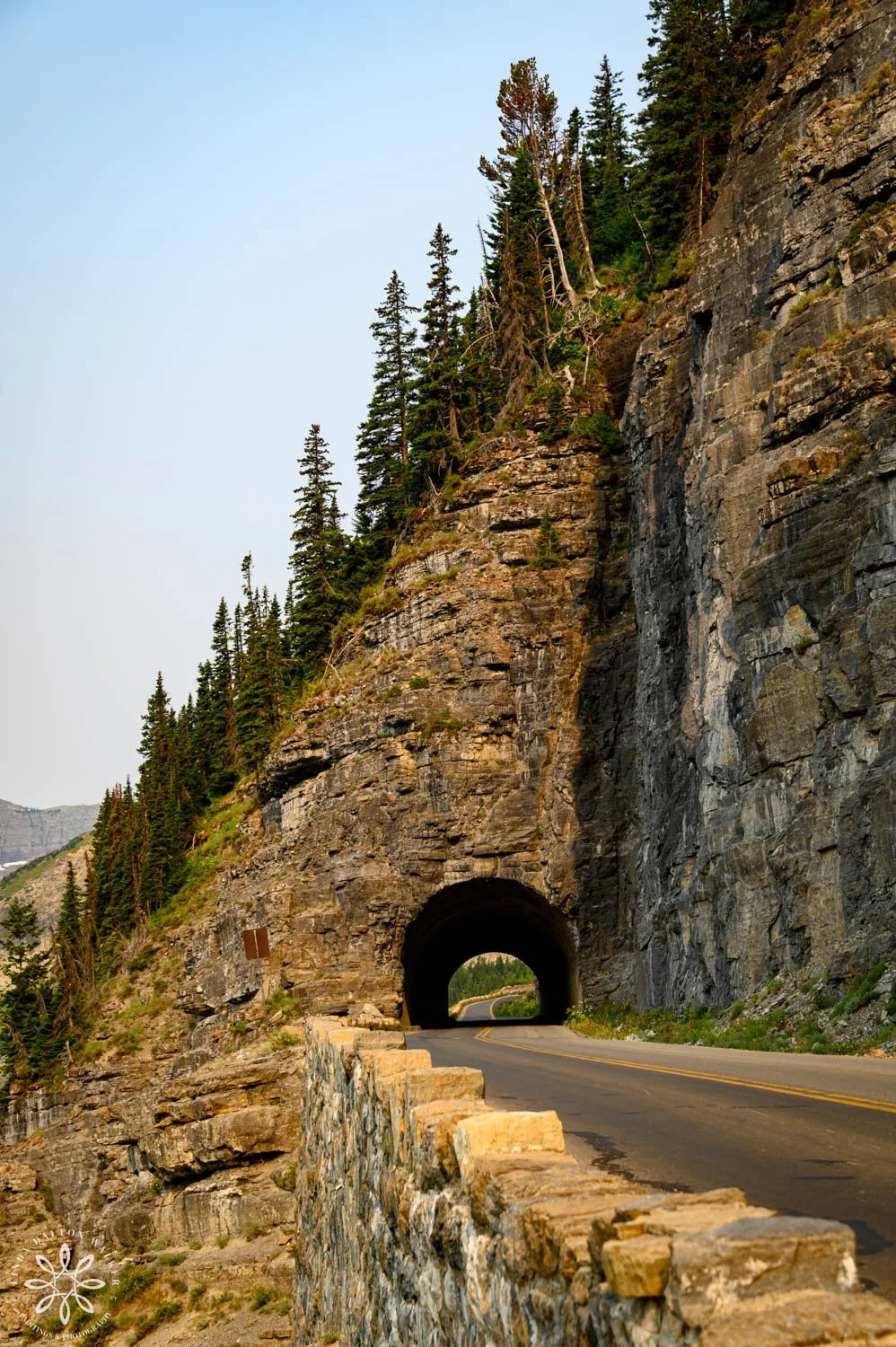
When wide, smoky landscapes weren't yielding the depth I wanted, shifting my focus downward opened up an entirely new gallery of possibilities. The clear glacier rivers and multi-colored riverbed stones provided endless studies in texture, motion, and hidden forest springs. Even driving through the park's historic rock tunnels offered a surprise: framing the rugged exterior stone formations created a graphic, architectural feel that stood out from traditional wilderness shots.
Bringing Glacier Home: An Exclusive First Look
When I return from the field and bring raw frames into my studio, my curation process is intentional and strict. I look at each image and ask two fundamental questions: Would I hang this in my own home? and Does this photograph invite a sense of wonder and story? If a frame doesn't evoke that quiet curiosity or emotional connection, it doesn't make my final portfolio.
The pieces from this Glacier journey passed that test. They represent moments of adaptation, finding serene beauty on Lake McDonald through atmospheric haze, capturing the quiet strength of mountain goats on a windy pass, and uncovering intimate details along ancient forest floors.
While these new photographs won't officially launch on my website print gallery until October, I am offering an early-access preview for my readers and subscribers. My full collection of final cuts and high-resolution stills is featured in my latest field video.
If a particular frame resonates with you or would complement a space in your home or office, you don't have to wait until autumn. You can reserve or acquire a custom fine art print directly by contacting me through my site.
🎬 Watch the full field journey and view the portfolio:
[Glacier National Park: Photographing Through Wildfire Smoke, August 2026] (YouTube Video Link Here)
Frequently Asked Questions
Q: Does wildfire smoke ruin landscape photography in Glacier National Park?
A: Not at all, it simply shifts your artistic focus. While heavy smoke conceals distant mountain peaks, it acts as a massive natural softbox, diffusing harsh sunlight. Out on the water, like kayaking on Lake McDonald, haze creates a serene, fog-like atmosphere that simplifies compositions and produces a painterly, fine-art quality.
Q: Is it difficult to photograph wildlife in Glacier National Park with summer crowds?
A: It requires patience, flexibility, and the right gear. With packed parking lots and strict limits near popular spots like Logan Pass, success often comes down to quick thinking and using a long telephoto lens (such as a 500mm). Observing species like mountain goats on high rocky slopes allows you to capture intimate moments safely without disturbing the animals or navigating closed trails.
Q: Where is the best place to camp in West Glacier for quick trail access?
A: Avalanche Campground is an ideal base on the west side. It places you less than a mile from both the Trail of the Cedars and the Avalanche Lake trailhead, making it easy to head out early in the morning for quiet light and fewer crowd interruptions.
Q: How can I order fine art prints of your Glacier National Park collection?
A: While the full Glacier collection officially launches on my website gallery in October, early-access fine art prints are available now. You can preview the final high-resolution stills in my latest YouTube video and contact me directly through my website to inquire about custom sizing and print orders.
Deep Forest Beauty